Reading the protein in cat food ingredient list is a lot like scanning a recipe. The first item listed is the main component, but just as a “chocolate cake” recipe starting with “flour” tells you little about the quality of the chocolate, seeing “chicken” first on a bag of cat food doesn’t reveal the full story of that protein’s quality, completeness, or density. Marketing terms like “high-protein” or “protein-rich” can be misleading, leaving you to wonder what that high protein cat food meaning actually is for your obligate carnivore. This article cuts through the confusion. We’ll first build a simple three-part mental toolkit for understanding what you’re really looking at, then translate that into a practical, 60-second routine you can use on your next trip down the pet food aisle.
Here’s how to decode the protein in your cat’s food from the ingredient list: First, look for a named animal protein (like chicken, salmon) as the first ingredient. Then, check that the next several ingredients are also quality protein sources or necessary nutrients, not fillers like corn or wheat. Finally, understand terms like ‘meal’ or ‘by-product’ to gauge protein quality and density.
Your Protein Decoding Toolkit: The Three Key Concepts
Before you scan another label, arm yourself with three simple mental models. These concepts will transform a confusing list into a clear story about what’s really in the bag.
1. Ingredient Order = Predominance by Weight (Wet Weight)
Ingredients are listed by weight before processing. This is crucial: a whole, fresh meat like “chicken” contains about 70% water. So, while it may be the heaviest item going into the mix, it loses most of that weight during cooking, leaving behind a much smaller amount of actual protein. A drier ingredient like “chicken meal,” which is already cooked and dehydrated, is a more concentrated protein source by weight. This is why looking beyond the first item is essential.
2. Protein Source Quality: Named Animal vs. Vague
Not all proteins are created equal for your obligate carnivore. The specificity of the source tells you a lot. A “named” animal protein, like chicken, salmon, or beef, indicates a higher-quality, more identifiable source. Vague terms like “meat,” “poultry,” or “fish” can come from a less specific blend of animals. The more precise the label, the better you can assess the animal protein cat food quality.
3. Protein Completeness: The Essential Amino Acids
Cats require specific building blocks called essential amino acids that their bodies can’t make. Taurine is the most famous, but others like arginine, methionine, and lysine are vital. High-quality animal proteins naturally contain these in the right ratios. Plant proteins (like corn gluten meal or peas) are “incomplete” for cats, lacking some essential amino acids. A quality food uses animal sources to provide a complete protein cat diet and may add supplemental taurine.
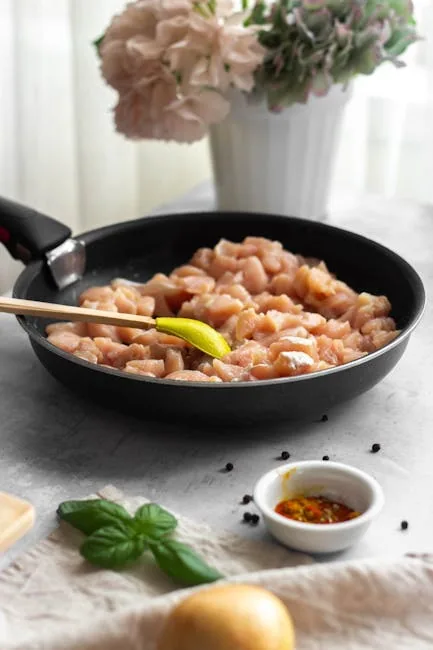
Photo by Zehra Yılmaz on Pexels
Beyond the First Ingredient: The Protein Source Spectrum
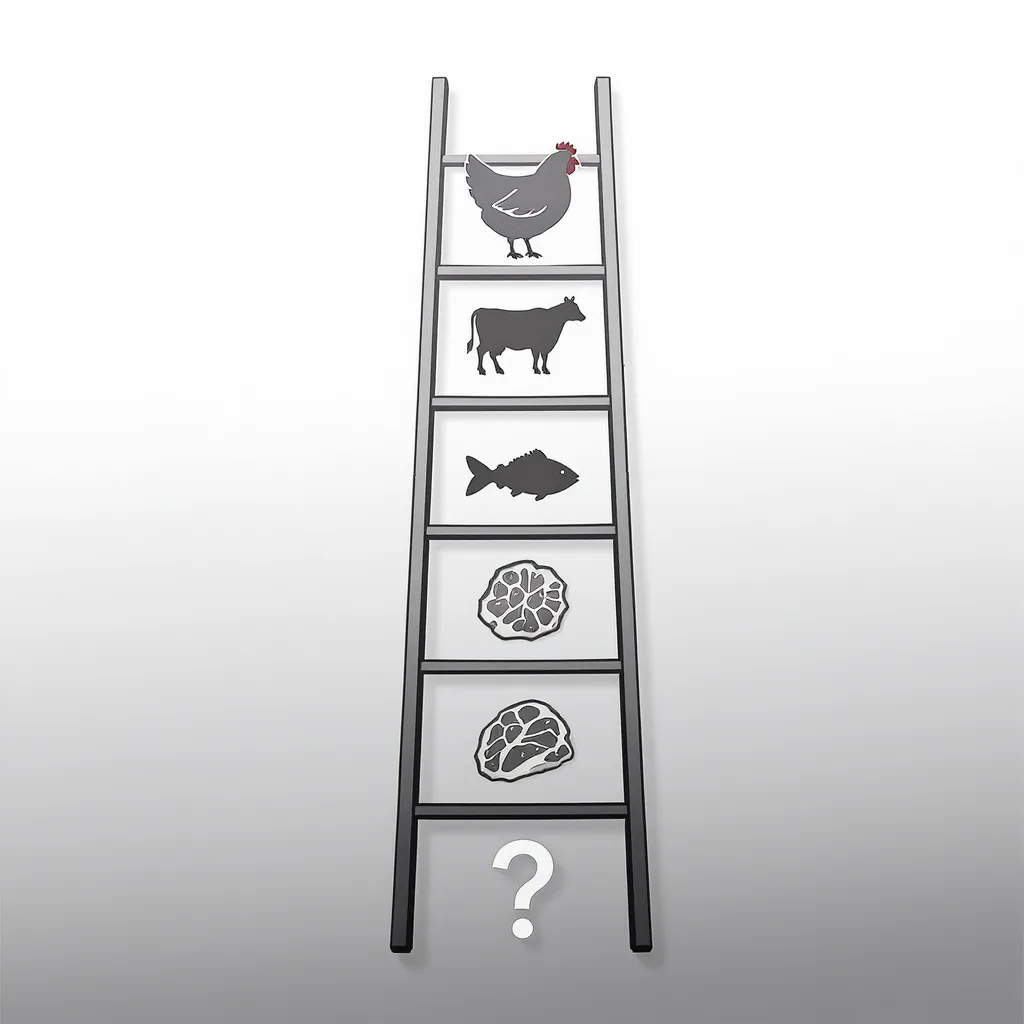
Think of protein sources on a spectrum from highly desirable to less ideal. Understanding these terms helps you filter products quickly and grasp the high protein cat food meaning beyond the marketing.
Top Tier: Named, Concentrated Animal Proteins
These are the gold standards for protein density and quality.
Named Meat/Organ (e.g., Chicken, Beef Liver): This is the whole, fresh tissue. It’s a great sign of quality, but remember its high water content.
Named Meat Meal (e.g., Chicken Meal, Salmon Meal): This is the cooked, dehydrated, and ground form of the meat. It’s a concentrated, dense protein source with the water removed. Contrary to some myths, a named meal is an excellent, nutrient-rich ingredient protein digestibility.
Middle Ground: Specific but Processed
These provide protein but are less specific or contain more variable parts.
Poultry By-Product Meal: A rendered mix of clean, ground parts from poultry (like necks, feet, undeveloped eggs, intestines) not typically used for human consumption. It’s a concentrated protein and fat source, but the exact nutritional profile is less consistent than a named meal.
Lower Clarity: Vague or Low-Density Sources
These terms offer the least transparency about the protein’s origin and quality.
Meat By-Products: The non-rendered, clean parts (like lungs, spleen, brain). As a wet ingredient, it’s heavy with water, offering less protein density.
Vague Meals/Proteins (e.g., Meat Meal, Animal Protein): The species source is unspecified, which can mean a blend from multiple animals. It provides protein but lacks transparency.
Plant Proteins (e.g., Corn Gluten Meal, Soybean Meal, Pea Protein): These are incomplete for cats and are used more as binding agents or to inexpensively boost the crude protein percentage on the label. A food relying heavily on these is not truly a high-quality animal protein cat food.
Your 60-Second Label Check Routine
Here’s how to apply your toolkit in the pet store aisle. Follow this simple scan to cut through the clutter.
DO start with the first ingredient. Look for a named animal source—either a fresh meat or a named meal. This sets a strong foundation. If the first item is a grain, corn, or potato, the food is likely carbohydrate-heavy, not protein-focused.
DON’T stop after the first item. Scan the next 3-5 ingredients. You want to see other quality protein sources or essential nutrients. Be wary if the next several spots are filled with corn, wheat, rice, potatoes, or multiple types of peas/lentils. This practice, called “ingredient splitting,” can push a dominant filler down the list by listing its forms separately (e.g., “peas, pea protein, pea starch”).
DO look for completeness clues. Check for added taurine, an essential amino acid for cats. Its presence indicates the formula considers feline-specific needs. Also, look for other named organ meats (like liver or heart), which are nutrient powerhouses.
DON’T be fooled by the “crude protein” percentage alone. The Guaranteed Analysis shows a minimum percentage, but it doesn’t distinguish between digestible chicken protein and less digestible plant protein. Your ingredient list investigation tells you where that number really comes from.
Common Protein Label Pitfalls to Sidestep
Even with a good routine, a few common traps can trip up savvy shoppers. Here’s what to watch for.
The “Grain-Free” Equals “High-Protein” Myth. Many grain-free foods simply replace corn or wheat with starchy alternatives like potatoes, peas, lentils, or chickpeas. These can still crowd out animal protein sources, resulting in a food that’s moderate in protein and high in carbohydrates. Always verify the protein sources on the list.
Over-Focusing on a Single Number. Choosing a food solely because it boasts “40% protein!” is a mistake if that protein comes largely from plant concentrates. A food with 35% protein from named animal meals is typically a superior choice for your cat.
Fear of All “Meal.” As covered, a named meat meal (chicken meal, herring meal) is a concentrated, high-quality ingredient. The concern should be reserved for vague terms like “meat meal” or over-reliance on plant-based meals.
Believing “All-Meat” is Ideal. Cats do need a meat-based diet, but an appropriate commercial food also includes vitamins, minerals, and often some fiber for balance. A diet of only muscle meat would be nutritionally deficient. The goal is a food where animal proteins dominate the ingredient list, not one that contains nothing else.
Empowered Choices Start Here
You now have the decoder ring. Reading a cat food label for protein isn’t about memorizing a list of “good” and “bad” words—it’s about understanding the story those words tell. You’re looking for a clear narrative of named animal ingredients providing dense, complete nutrition for your carnivorous companion.
Remember, perfection isn’t the goal, and the “best” food is one that fits your cat’s health needs and your reality. Armed with your three-concept toolkit and a quick 60-second scan, you can move down the pet food aisle with significantly more confidence, making informed choices that prioritize the high-quality animal protein your cat is designed to thrive on.
Q: Is a meat meal a bad ingredient in cat food?
A: Not inherently. A named meat meal, like “chicken meal” or “salmon meal,” is a concentrated, high-quality protein source because the water and fat have been removed. It’s often a better indicator of dense protein content than a fresh meat listed first. Be more cautious of vague terms like “meat meal” or “animal meal,” which are less specific about the source.
Q: What does ‘crude protein’ mean on the guaranteed analysis?
A: “Crude protein” is a laboratory measurement (using nitrogen content) of the minimum protein percentage in the food. It doesn’t tell you the protein’s source, quality, or how digestible it is for your cat. Two foods can have the same crude protein percentage, but one derives it from chicken meal while the other uses corn gluten meal—a major difference in nutritional value.
Q: My cat food lists ‘chicken’ first but then has lots of grains. Is it still high protein?
A: It may be moderate in protein, but likely not “high” in the quality sense. The initial “chicken” contains lots of water. If several of the next ingredients are corn, wheat, rice, or soy, those fillers are making up a significant portion of the dry matter in the food. The animal protein content may be diluted, making the food more carbohydrate-heavy than protein-focused.
Q: Are plant-based proteins like peas or lentils bad for cats?
A: They aren’t “bad” in small amounts, often used for fiber or as a binder. However, they are incomplete proteins for cats, lacking essential amino acids like taurine. A concern arises when they appear high on the ingredient list or in multiple forms (peas, pea protein, pea starch), as this can be a