Do you buy cat food in bulk to save money, only to find the last cups are stale and your cat turns up their nose? You’re not alone. The dilemma between grabbing a value pack for the discount and signing up for a convenient subscription is a real one for budget-conscious cat owners. It often feels like a choice between wasting money on small bags or wasting food from a large one. This guide cuts through that frustration. We’ll break down the practical pros and cons of cat food value packs versus subscription services, but more importantly, we’ll give you a straightforward system to keep kibble fresh—no matter which buying method you choose. The goal isn’t just to pick a side; it’s to enjoy savings without sacrificing your cat’s meal quality.
Choosing between value packs and subscriptions hinges on your cat’s consumption rate and your ability to store food properly. If your cat eats quickly and you have a solid storage system, a large bag can offer significant savings. If you have a slower eater or limited space, a subscription delivering smaller, more frequent shipments can guarantee freshness. With the right airtight storage and a simple routine, you can enjoy bulk savings without sacrificing freshness.
Your Freshness Toolkit: The Non-Negotiables
Before we weigh the pros and cons of value packs versus subscriptions, let’s establish the ground rules. No matter where your cat’s kibble comes from, these three principles are your first line of defense against waste and staleness.
1. The Right Container
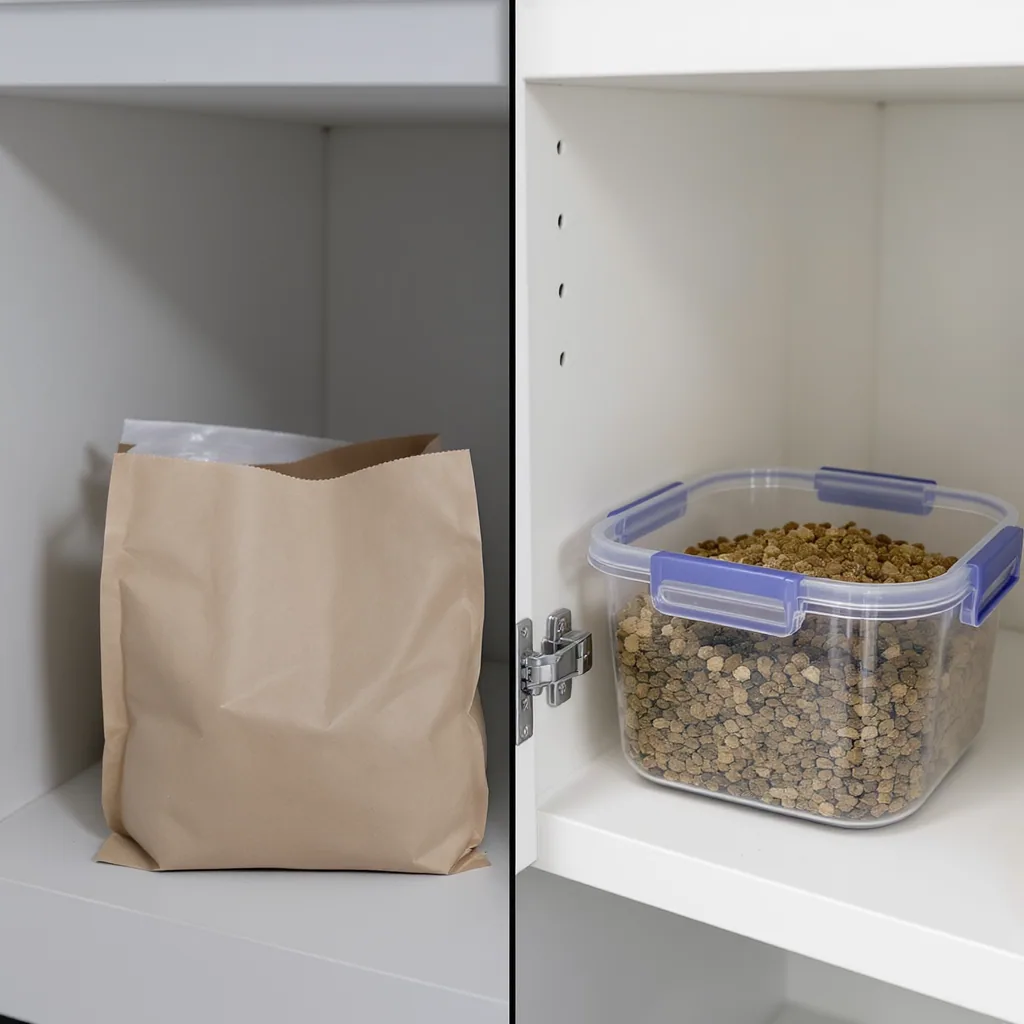
The original bag, even with a clip, is not airtight enough for long-term bulk cat food storage. Oxygen is the enemy of freshness. Transfer your kibble to a dedicated, airtight container. This is the single most effective step to keep kibble fresh.
2. The Right Location
Store your container in a cool, dark, and dry place—a pantry or cupboard away from heat sources, sunlight, or humidity. Your garage or a sunlit porch is typically a poor choice.
3. The Right System: First In, First Out (FIFO)
Always use the oldest food first. When you open a new bag, pour it into the container behind any remaining older food. This simple rotation system prevents forgotten kibble from languishing at the bottom and going stale.
The Value Pack Verdict: Making Bulk Work for You
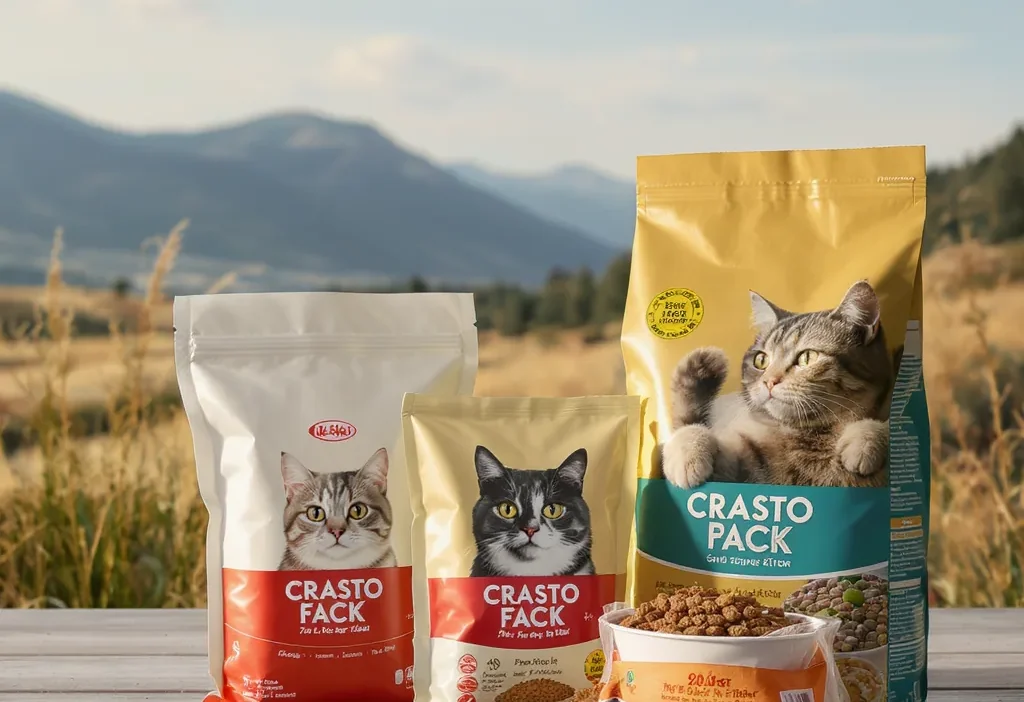
Buying a large bag cat food is often the most cost-effective option per ounce. The risk? By the time you reach the bottom, the fats can oxidize, making the food less palatable and nutritious. The verdict isn’t “don’t buy bulk,” but “buy smart and store smarter.”
Photo by Ann Plask on Pexels
Do:
- Calculate the right size. Only buy a value pack your cat can finish within 4-6 weeks. This is the general freshness window for opened dry food.
- Transfer immediately. As soon as you open the bag, pour the entire contents into your airtight container. Don’t just scoop from the bag.
- Label your container. Use a piece of tape to mark the date you opened it. This makes FIFO foolproof.
Don’t:
- Don’t buy the giant 20-pound bag for a single, slow-eating cat just because it’s on sale.
- Don’t store the bag or container in a warm, humid environment.
- Don’t mix new food with old food in the container without rotating.
With this protocol, cat food value pack storage becomes a reliable way to achieve bulk cat food savings without the downside.
The Subscription Check: Convenience vs. Control
Automatic cat food delivery services directly address the freshness problem by delivering smaller, more frequent shipments. This can be a fantastic solution, but it requires a different kind of management.
The primary benefit is consistency. You receive a fresh bag right when you need it, minimizing the time kibble sits opened in your home. It also automates a chore and can prevent the panic of an empty cupboard.
The potential drawback is a loss of flexibility. If your cat’s appetite changes, you might end up with an overstock. To make a subscription work:
- Set the frequency based on actual consumption, not the default suggestion. Track how long a bag lasts and set your delivery for a few days before you’d run out.
- Monitor delivery packaging. Ensure the bags arrive sealed and undamaged. A subscription solves nothing if the bag is compromised in transit.
- Keep your storage toolkit active. Even a fresh bag from a cat food subscription box needs to go into your airtight container once opened.
Your Personalized Freshness Routine
Now, let’s combine the toolkit and the evaluations into a simple, actionable habit. Your choice in the cat food value packs vs subscription debate depends on your life, but this routine works for either path.
- The Weekly Check: Every week when you refill your cat’s bowl from the main container, give the kibble a quick sniff. It should smell mildly of the food, not musty, sour, or like old paint. This is your early warning system.
- The Monthly Audit: Check the “opened on” date on your storage container. If it’s approaching 6 weeks, note how much is left. This tells you if your buying size or subscription frequency is correct.
- The Order Trigger: When you open your last unopened bag or see your subscription is due to ship, that’s your cue to check your routine. Is your storage location still optimal? Is your container clean and sealed?
Your decisive next step? Audit your current setup today. Is your food in the bag or a proper container? Knowing your starting point is how you build a system that saves money and keeps meals fresh.
Smart Choices, Fresh Meals
The goal isn’t to declare one option the universal winner. It’s to equip you with the knowledge and tools to make either choice work flawlessly for your cat and your household. Value packs offer significant savings, and subscriptions deliver hands-off convenience. Both can result in perfectly fresh food when supported by a solid storage system and a mindful routine.
You don’t have to choose between your budget and your cat’s meal quality. By implementing the non-negotiable toolkit and a simple check-in habit, you can buy with confidence, save money, and ensure every bowl is as appetizing as the first. Start with your storage container—the rest of the system falls neatly into place from there.
Further reading: Buying Better Cat Food on a Budget.