If your cat comes running at the sound of a can opener, you’re not alone. Many cat owners love using tuna or other fish as a high-value reward—it’s a surefire way to get an enthusiastic purr or head-butt. However, that powerful appeal is precisely why over-relying on these treats can become a problem. What starts as an occasional indulgence can quickly slide into a daily habit, leading to nutritional imbalances and potential health risks for your feline friend. This guide cuts through the confusion with clear, practical best practices for tuna treats for cats, helping you enjoy your cat’s delight without compromising their well-being.
The best practice for tuna treats is to offer them only occasionally—think once or twice a week at most—and in tiny amounts, as a special reward. Relying on them daily can expose your cat to mercury, cause nutritional deficiencies, and create picky eating habits. Always choose tuna packed in water with no added salt, and ensure treats make up less than 10% of your cat’s total daily calories to maintain a balanced diet.
The Quick-Start Checklist for Safe Fish Treats
Before we get into the details, here are the core tuna treats for cats best practices you can implement right away. Think of this as your go-to reference for keeping those fishy snacks safe and special.
- Frequency is Key: Offer tuna or other fish treats for cats only once or twice a week at most. This is the golden rule for tuna moderation for cats.
- Portion Control: A treat should be just that—a tiny taste. For an average cat, a teaspoon-sized amount of flaked tuna is plenty.
- Choose the Right Type: If using canned tuna, always select tuna packed in water with no added salt. Avoid tuna in oil or brine.
- It’s a Treat, Not a Meal: Fish treats should never make up more than 10% of your cat’s daily calorie intake. Their primary nutrition must come from a complete and balanced commercial cat food.
- Mix It In: To avoid creating a picky eater, try mixing a small amount of tuna into their regular food instead of offering it alone.
Why Over-Reliance on Tuna is a Problem
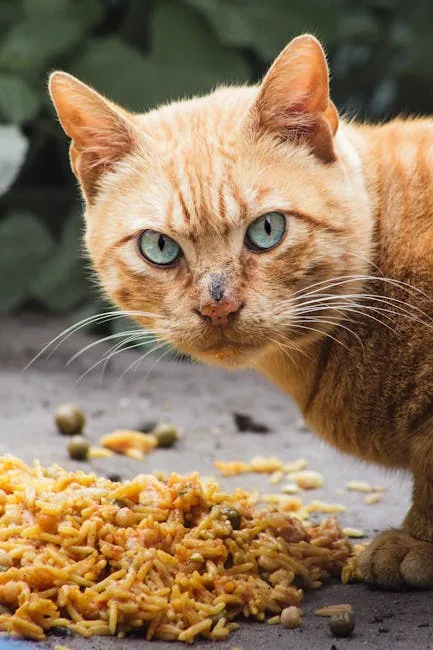
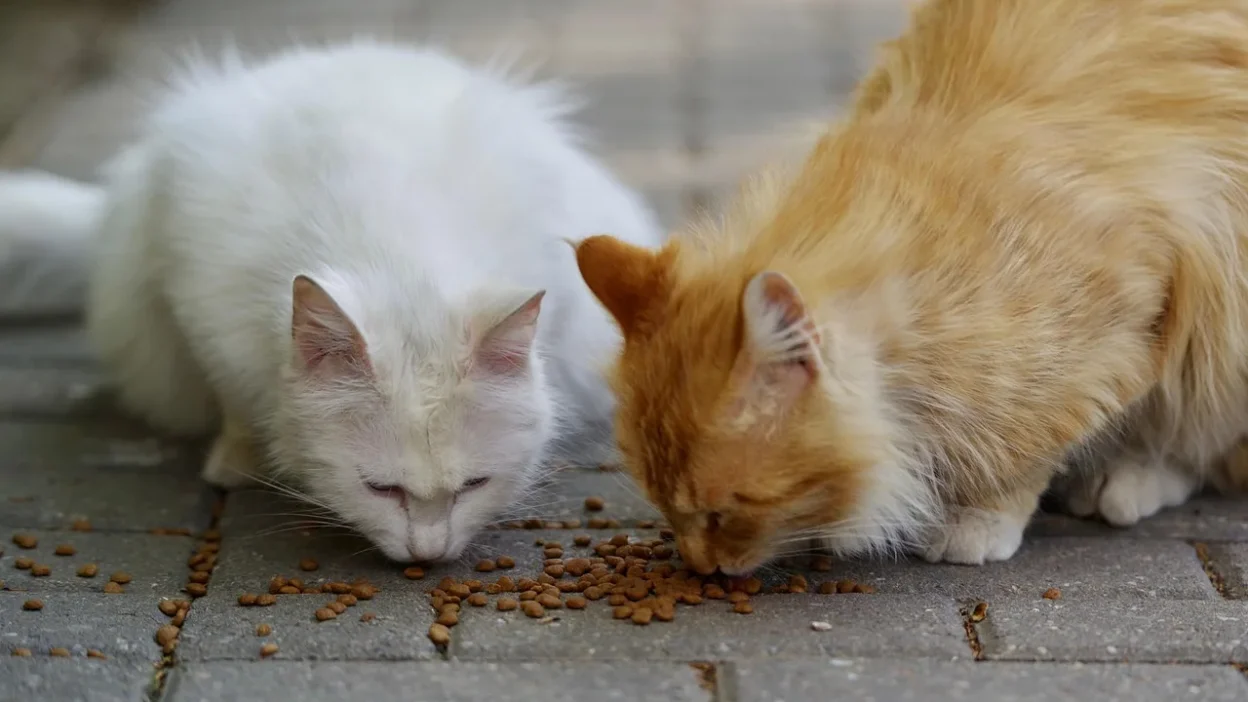
Photo by Abdellah Benziane on Pexels
Understanding the “why” behind the checklist makes it easier to stick to. While the occasional bite is fine, making tuna a regular part of your cat’s diet introduces several risks.
The first concern is mercury. Tuna, especially larger species, can accumulate this heavy metal. While a rare treat poses minimal risk, frequent feeding can lead to mercury building up in your cat’s system over time, which can affect their nervous system. This is a key reason for limiting how often can cats eat tuna.
Secondly, raw fish contains an enzyme called thiaminase that destroys thiamine (Vitamin B1). A thiamine deficiency can cause serious neurological problems. While the canning process deactivates this enzyme, it’s a reminder that fish isn’t a perfectly safe staple. Finally, tuna alone is not nutritionally complete. It lacks adequate levels of taurine, vitamin E, and certain minerals that are essential for feline health. Relying on it can lead to deficiencies, even if your cat seems to love it. For more on feline dietary needs, you can consult a veterinary nutritionist.
Smart Practices: Dos and Don’ts
This simple list expands on the checklist with more nuanced guidance for choosing, preparing, and serving fish-based cat snacks.
DO:
- Do use tuna as a high-value reward for training or medication.
- Do read labels carefully and choose products with no added salt or seasonings.
- Do consider commercial healthy fish treats for cats that are formulated to be nutritionally balanced.
- Do ensure your cat’s main diet is a high-quality commercial food that meets AAFCO standards.
DON’T:
- Don’t feed tuna or fish treats daily. This is the most common mistake.
- Don’t use canned tuna for cats that is packed in oil or brine, as the added fats and salt are unhealthy.
- Don’t replace a meal with tuna, even if your cat refuses their food.
- Don’t assume “a little more” is harmless. Stick to the tiny portions.
Healthy & Exciting Alternatives to Fish Treats
Variety is the spice of life—and the key to a balanced diet. Reducing reliance on tuna is easier when you have other enticing options up your sleeve.
Commercial cat treats designed for training are often a great choice, as they are small, low-calorie, and nutritionally sound. For a whole-food option, small pieces of cooked, unseasoned chicken, turkey, or even a bit of plain cooked egg can be a huge hit. Freeze-dried chicken or liver treats are also excellent, protein-packed alternatives that many cats adore.
Sometimes, the best “treat” isn’t food at all. Using a puzzle feeder stuffed with your cat’s regular kibble provides mental stimulation and slows down eating, which can be just as rewarding. Rotating through a few different cat treat alternatives to tuna keeps your cat interested and ensures they aren’t missing out on any nutrients by fixating on a single food type.
Keeping Treat Time Safe and Special
The goal is a long, healthy life with your feline friend, and that includes enjoying the fun of giving them a special snack. By understanding the risks and following these simple guidelines, you can confidently share a bit of tuna as an occasional delight without worry. Use the quick-start checklist as your reference, embrace variety with other treats, and you’ll be practicing the true art of feeding tuna to cats responsibly. A happy cat is a healthy cat, and moderation is the key to both.
If you want examples, see Milk for cats.