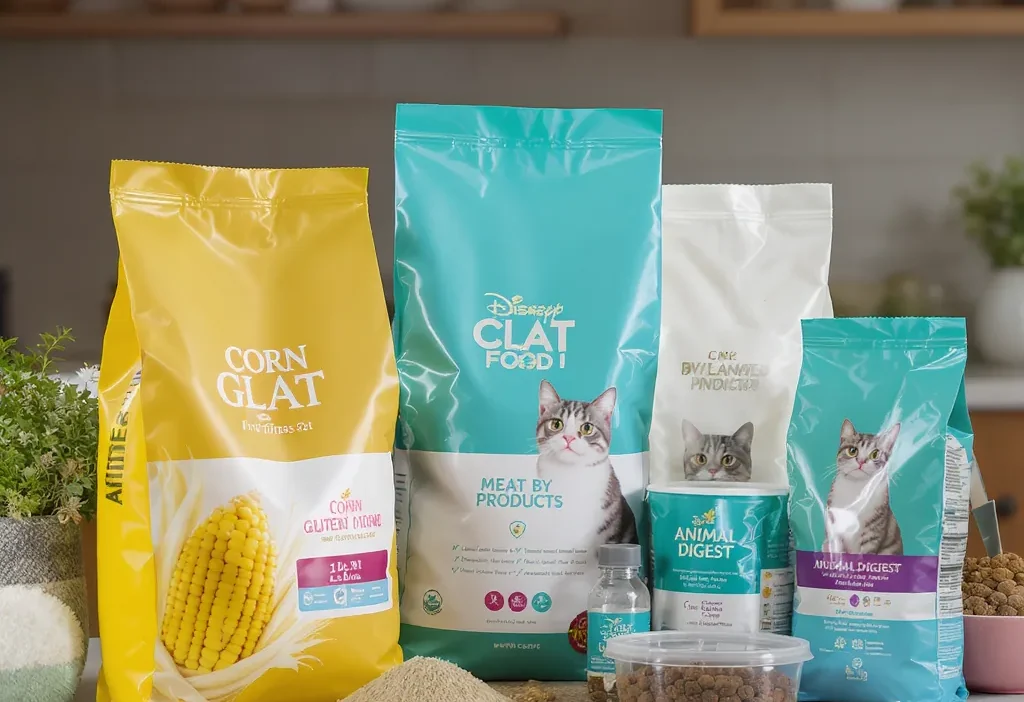
Ever stared at your cat’s food bag, feeling a wave of confusion as you try to decipher terms like “animal by-product meal” or “natural flavors”? You’re not alone. The pet food aisle is a minefield of marketing claims and vague ingredient lists designed to appeal to us, not necessarily to meet our cats’ biological needs. This article isn’t about inducing panic or shaming your current choice. Instead, it’s a clear, non-judgmental toolkit to help you decode those labels. We’ll cut through the jargon around fillers and by-products in cat food, explain what vague terms really mean, and give you a simple, practical routine for making more informed decisions. Think of it as learning a new language—the language of smart, empowered pet ownership.
Here’s how to decode fillers and by-products in cat food labels: By-products are non-muscle animal parts (organs, bones) which can be nutritious but vary in quality. Fillers like corn and wheat gluten provide cheap calories with less nutritional value for cats. Vague terms like ‘meat by-products’ or ‘animal fat’ lack specificity, making quality hard to assess. Focus on named protein sources (e.g., ‘chicken meal’) and avoid overly generic terms for better transparency.
The Toolkit: Decoding Three Key Label Terms
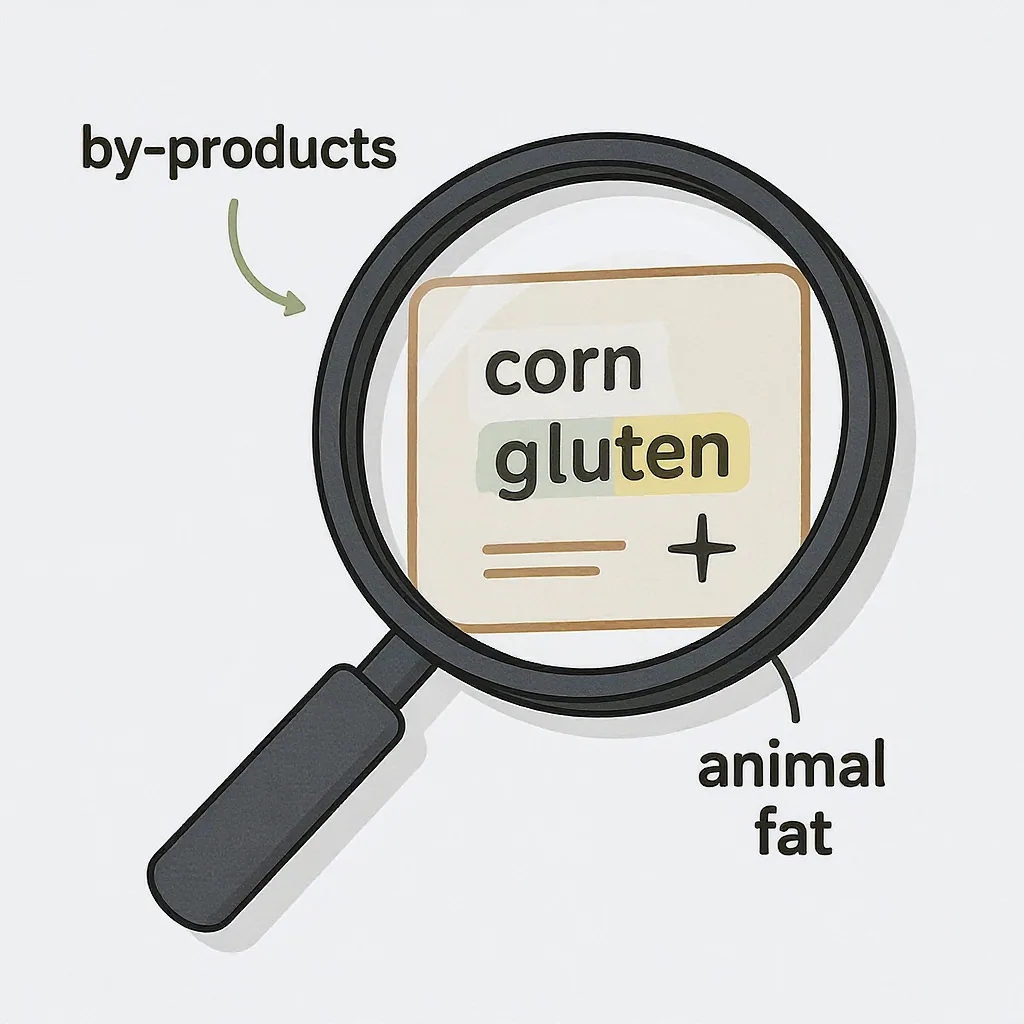
Let’s break down the three categories of label language that cause the most confusion. Understanding these definitions is your first step toward clarity.
1. What Are By-Products in Cat Food?
According to the Association of American Feed Control Officials (AAFCO), by-products are the non-rendered, clean parts of slaughtered animals, excluding meat. This includes organs (like liver, heart, kidneys), bones, blood, and fatty tissue. They are not feathers, hair, hooves, or intestinal contents.
The key point: by-products aren’t inherently “bad.” In fact, organ meats like liver are nutrient-dense. The concern lies in variability and quality control. A generic term like “poultry by-products” could come from any bird (chicken, turkey, duck) and any part, making consistency hard to gauge. Named by-products, like “chicken liver,” are more transparent and often indicate a higher-quality source.
2. Understanding Fillers
Fillers are low-cost ingredients used primarily to add bulk and calories with less nutritional value for an obligate carnivore. Common examples include corn gluten meal, wheat middlings, soybean meal, and rice hulls. While these ingredients provide energy, they are not ideal primary protein sources for cats.
The issue isn’t necessarily their presence, but their prominence. When fillers appear among the first few ingredients, it often means the food relies on plant-based protein to meet its guaranteed analysis, which is less biologically appropriate for cats than animal protein.
3. Spotting Vague Ingredients
This category is about a lack of specificity, which obscures quality. Terms like “meat by-products,” “animal fat,” or “poultry meal” don’t name the source animal. “Meat” could be beef, pork, or a mix. “Animal fat” could come from any slaughtered creature. This vagueness makes it impossible to identify potential allergens or assess the quality and consistency of the protein source. Transparency is a hallmark of better brands, so look for named sources like “chicken fat,” “salmon meal,” or “turkey.” You can learn more about official definitions from the AAFCO guidelines.
The Science Corner: What Your Cat Actually Needs
Cats are obligate carnivores. Their biology is fine-tuned to thrive on a diet rich in animal-based proteins and fats. They require specific nutrients, like taurine and arachidonic acid, which are found naturally in animal tissue and are not adequately present in plants.
This biological reality is the “why” behind your label scrutiny. High-quality, named animal proteins directly meet these needs. While some plant-based ingredients can provide vitamins or fiber, they are not efficient primary building blocks for your cat. When a food leans heavily on fillers, it may use plant proteins to hit a crude protein percentage on paper, but that protein may be less digestible and less complete for your cat’s unique metabolism.
Your Practical Shopping Routine
Now, let’s turn definitions into action. Use this simple mental filter the next time you’re comparing bags or cans. Think of it as building a habit, not memorizing a textbook.
Step 1: The First Five Ingredients
The ingredients are listed by weight. The first five ingredients make up the bulk of the food. Ideally, you want to see one or two named animal proteins (e.g., chicken, deboned salmon, turkey meal) at the very top.
Step 2: Scan for Fillers & Question Their Place
Look for the common filler ingredients mentioned earlier. Ask yourself: Are they in the top three spots? If so, the formula may be prioritizing cheap calories over optimal nutrition. Seeing them further down the list is less concerning.
Step 3: Challenge Vagueness
Be wary of generic terms. “Meat meal” is less desirable than “lamb meal.” “Animal fat” is less transparent than “chicken fat.” This step is about seeking clarity. A brand that names its sources is generally more confident in their quality.
Remember, no single ingredient is an automatic deal-breaker. The goal is to spot patterns. A label with multiple vague terms and a leading filler tells a different story than one with named proteins and specific fats, even if both contain some by-products or grains.
Moving Beyond the Ingredient List
The ingredient list is a crucial tool, but it’s not the whole story. To avoid analysis paralysis, remember two other key factors. First, check the AAFCO Nutritional Adequacy Statement on the bag, which confirms the food is formulated to be complete and balanced for a specific life stage. Second, and most importantly, observe your own cat. Their energy level, coat quality, and overall health are the ultimate tests of any diet. A food with a “perfect” ingredient list that doesn’t agree with your individual cat isn’t the right choice.
Empowered Choices, Not Panic
Decoding cat food labels isn’t about finding a mythical “perfect” food or fearing every unfamiliar term. It’s about building knowledge that empowers you to make progressively better choices. You now have a toolkit to understand what those terms mean and a simple routine to apply at the store.
Use this framework to cut through the marketing noise and focus on what matters: transparent sources of quality nutrition for your feline friend. The fact that you’re reading labels at all shows incredible care, and with these insights, you can channel that care into confident, informed decisions.