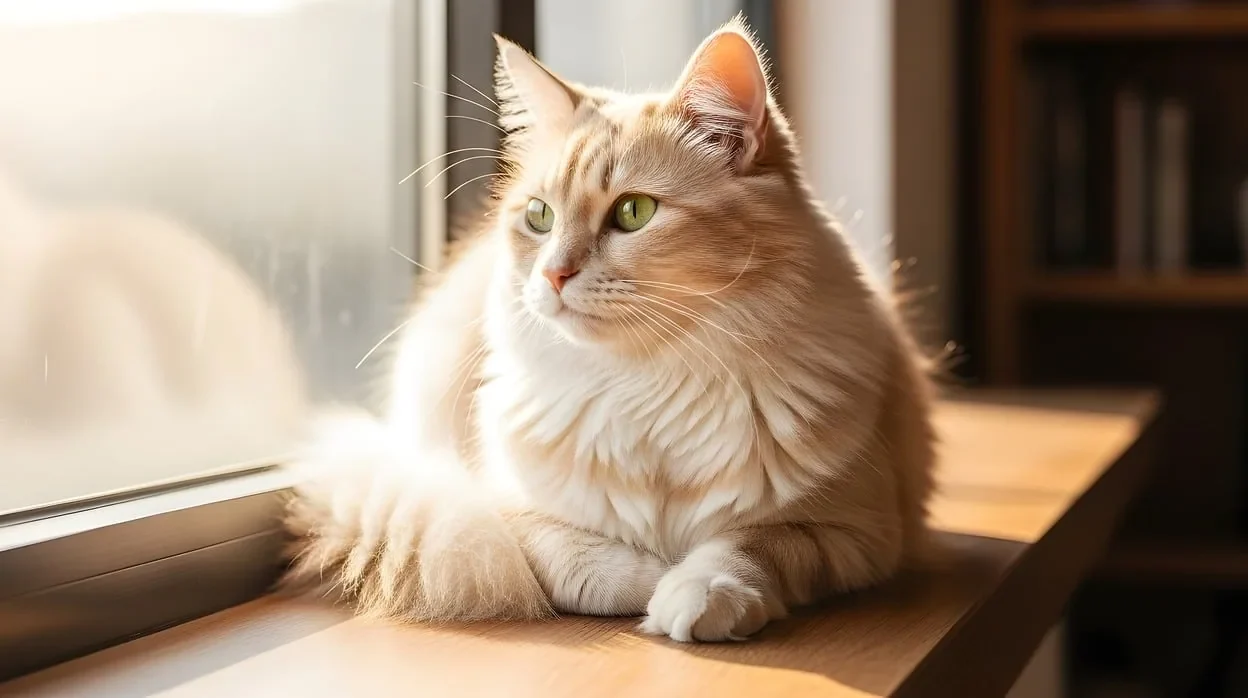
You fill two identical bowls with the same measured amount of food. Your indoor cat, Mittens, pads over, eats half, and returns to her sunbeam. Your outdoor cat, Scout, devours his portion in seconds and is out the cat flap, not to be seen for hours. A month later, you notice Mittens is getting a little round, while Scout seems as lean as ever. This common scenario highlights the core principle of indoor vs outdoor cat feeding: it’s not one-size-fits-all. It’s a simple equation of energy in versus energy out, and guessing based on lifestyle labels often leads us astray. This guide cuts through the uncertainty. Instead of vague advice, we’ll give you two practical tools—a straightforward calorie calculator and a simple activity tracker—to build a custom, no-guesswork routine that matches your unique cat’s actual life.
The best way to feed indoor vs outdoor cats is to start with a baseline calorie calculation (like 20 calories per pound of ideal body weight), then adjust up for high-activity outdoor lifestyles and down for sedentary indoor ones. Outdoor cats typically need 20-50% more calories than similar indoor cats due to exploration and hunting. The key is to monitor your cat’s weight and energy to fine-tune, moving beyond a fixed ‘indoor’ or ‘outdoor’ label to match their real-world activity.
Your Two Essential Tools: The Calculator & The Tracker
To move beyond labels and into precision, you need two simple, foundational tools. The first gives you a starting number, and the second provides the crucial context to adjust it.
Tool 1: The Baseline Calorie Calculator
Every cat has a Resting Energy Requirement (RER)—the calories needed to maintain basic bodily functions at rest. A common formula for this is: 30 x (ideal body weight in kilograms) + 70. Since most of us think in pounds, a simpler starting point is 20 calories per pound of your cat’s ideal weight. This is your baseline for a completely sedentary cat.
The real magic happens with the “lifestyle multiplier.” For a typical indoor-only cat with low activity, multiply that baseline by 1.2. For an active outdoor cat who explores and hunts, you’d use a multiplier between 1.4 and 1.6. This is where understanding your specific cat’s indoor cat calorie needs diverges from a generic chart.
Tool 2: The 5-Point Activity Scale
Labels like “indoor” or “outdoor” are often misleading. A better method is to categorize your cat’s real-world movement on this simple scale:
- Couch Potato: Sleeps most of the day, minimal play.
- Lightly Active: Short, gentle play sessions, some house exploration.
- Moderately Active: Regular, vigorous play (15+ minutes daily), active house patrol.
- Active: Significant outdoor time with exploration, or intense daily indoor play.
- Highly Active Explorer: Spends hours outdoors roaming, climbing, and hunting.
By pairing a calculated baseline with an honest activity score, you replace guesswork with a personalized framework.
A Week in the Life: Building Your Cat’s Profile

Photo by Serdar Göksu on Pexels
For one week, become a casual observer. Your goal isn’t to change anything, but to gather data to place your cat accurately on the activity scale. This step is vital for both the lazy “outdoor” cat who just sunbathes and the hyper “indoor” cat with marathon play sessions.
Keep a mental (or quick note) of these details each day:
- Sleep/Inactivity: How many hours is your cat truly sedentary?
- Play Intensity: Are play sessions a gentle bat or a full sprint?
- Exploration: Does your indoor cat patrol rooms and windowsills? Does your outdoor cat disappear for hours?
- Evidence of Hunting: For outdoor cats, look for signs like bringing “gifts” home. For indoor cats, does they “hunt” toys vigorously?
This profile moves you from assumptions to evidence. It reveals that a cat activity level and diet are directly linked, and that your unique cat may defy the standard indoor/outdoor stereotype. This observation is the cornerstone of managing weight for indoor-only cats or ensuring an outdoor cat gets enough fuel.
The No-Guesswork Daily Routine
Now, synthesize your tools and profile into a concrete, adjustable plan. This is where calculating cat food portions meets daily life.
Portion Control & Meal Timing
Take your final daily calorie target (baseline x activity multiplier) and divide it into at least two meals. This helps manage hunger and energy levels. For a high-activity outdoor cat, consider a small third portion during their peak exploration time to fuel their adventures. This structured approach is the heart of a reliable outdoor cat feeding routine.
Adjusting for Change
A good routine isn’t set in stone. It adapts. In winter, an outdoor cat may become less active; you might need to slightly reduce their portions to match. If you move an active cat to a strictly indoor life, their calorie needs will drop, and their routine will need to shift to include more scheduled play to compensate feline obesity prevention. This proactive adjusting cat routine for lifestyle changes is key to long-term health.
Signs You’ve Nailed It (And When to Adjust)
How do you know your personalized plan is working? Look for these positive indicators:
- Ideal Body Condition: You can easily feel your cat’s ribs with a slight fat covering, and they have a visible waist when viewed from above.
- Consistent Energy: Your cat is alert, engages in play, and doesn’t seem lethargic or overly hyper.
- Maintained Weight: Monthly weigh-ins (on a pet scale) show a stable weight.
- Content Demeanor: Your cat isn’t constantly begging for food or scavenging.
Conversely, these are signs it’s time to recalibrate:
- Weight Gain/Loss: Steady change in either direction.
- Food Obsession: Excessive meowing, counter-surfing, or aggression around food.
- Lethargy or Restlessness: A noticeable drop or unnatural spike in energy.
Seeing these signs isn’t a failure—it’s feedback. Fine-tuning is a normal, responsible part of pet care. It means you’re paying attention and moving with your cat’s needs.
From Guesswork to Confidence
Feeding your cat based solely on whether they live indoors or outdoors is a starting point, but it’s not the finish line. By adopting the simple method of a calculated baseline and an observed activity profile, you empower yourself with clarity. This shift turns feeding from a chore filled with doubt into a confident routine that supports your cat’s unique life. You’re not just filling a bowl; you’re fueling their well-being with intention, ensuring they have the right energy for their adventures—whether those are across the backyard or across your living room.
A related guide is Feeding by Life Stage.