You’ve carefully selected a new, healthier food for your cat, filled their bowl, and placed it down with hopeful anticipation. The response? A disdainful sniff, a look of utter betrayal, and a deliberate turn of the head. Now you’re left staring at a full, untouched bowl, wondering if your feline friend will ever eat again. If your cat won’t eat new food, you’re not alone—this is a classic, frustrating scenario for countless pet owners. The good news is that this refusal is rarely a sign of simple stubbornness and almost never requires a battle of wills. More often, it’s your cat communicating a specific dislike or discomfort with the change. This guide will help you calmly diagnose the common causes behind your picky cat’s new food rejection and walk you through gentle, effective fixes to encourage your cat to try new food—no force-feeding or drama required.
If your cat won’t eat new food, the most likely cause is a too-rapid transition or a dislike of the new texture or smell. The safest fix is to pause, go back to the old food for a meal, and then restart the switch over 7-10 days by mixing the foods. This common cat food change issue is usually behavioral, not medical, but always rule out illness first if your cat shows other symptoms like lethargy or vomiting.
First, Rule Out the Urgent: When to Call the Vet
Before we dive into behavioral fixes, let’s pause for a crucial safety check. While most food refusals are about preference, a sudden and complete loss of appetite can sometimes signal a medical problem. If your cat is showing any of these red flags alongside rejecting food, contact your veterinarian immediately:
- Has eaten absolutely nothing (not even treats or old food) for more than 24 hours.
- Is lethargic, hiding, or showing signs of pain.
- Is vomiting, has diarrhea, or appears dehydrated.
- Is a kitten, senior, or has a known pre-existing health condition.
Once you’ve ruled out an urgent health issue, you can confidently address the much more common culprit: your cat’s discerning palate and routine.
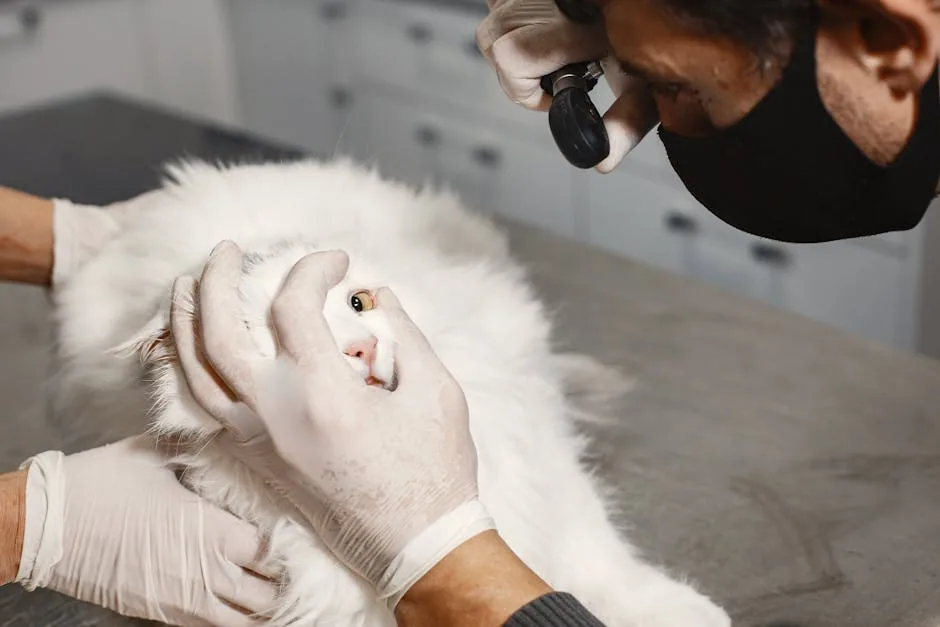
Photo by Gustavo Fring on Pexels
Diagnosing the ‘Why’: Common Causes for Food Refusal
Understanding why your cat is turning up their nose is the first step to a solution. Here are the most frequent non-medical reasons for a cat refusing new food.
The Transition Was Too Fast
Cats are creatures of habit. A sudden switch from an old, familiar food to a completely new one is a major sensory shock. Their digestive system can also protest, leading to soft stools or vomiting, which makes them associate the new food with feeling unwell. A slow, gradual introduction is almost always necessary.
The Texture or Smell Is “Wrong”
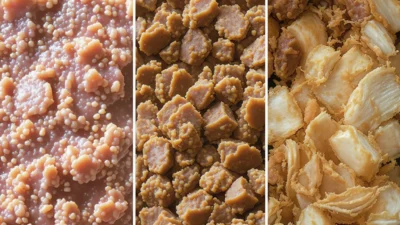
Your cat has specific preferences you may not even be aware of. A cat used to a fine pâté might be suspicious of chunky gravy. A food with a mild aroma might seem unappetizing compared to their old, strongly-scented brand. This is a core reason behind a picky cat new food scenario—it’s not just taste, but mouthfeel and smell.
Environmental Stress or Bowl Issues
Sometimes, the problem isn’t the food itself. Is the bowl in a high-traffic, noisy area? Is it placed uncomfortably close to their litter box? A dirty bowl with old food residue can also be a major turn-off. Stress from changes in the household (new pets, moving, etc.) can suppress appetite in general, making any dietary change harder.
Genuine Pickiness (The “Food Critic”)
Let’s be honest: some cats are just gourmands with strong opinions. They may have been inadvertently trained that holding out leads to tastier options. If you’ve frequently offered alternatives after a refusal, you may have reinforced the very behavior you’re trying to fix.
The Gentle Fix: A Step-by-Step Transition Plan
Patience is your most important tool. Rushing will only create more resistance. This methodical plan is designed to encourage your cat to try new food without force or stress.
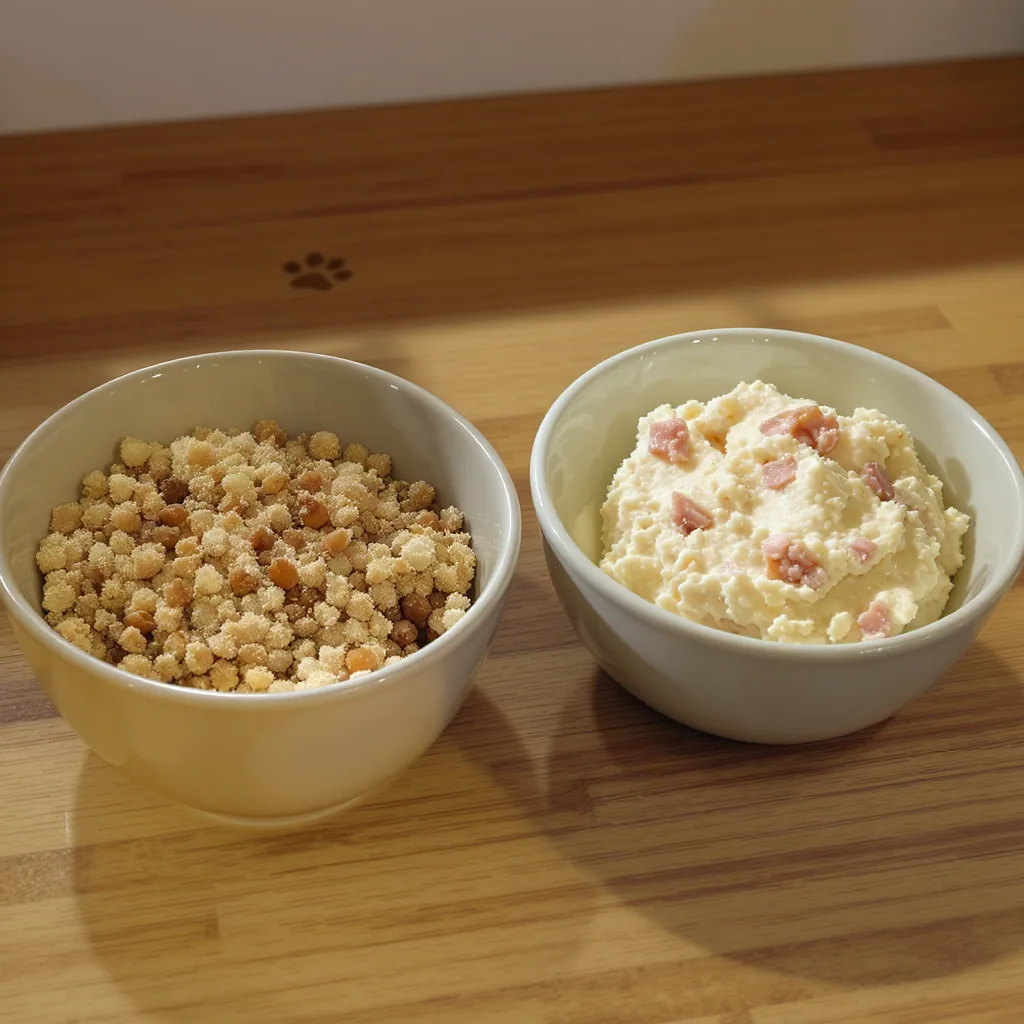
What To Do: The Slow & Steady Mix
- Reset and Restart: If your cat has already refused the new food outright, go back to serving only their old food for a meal or two to reset their appetite and trust.
- The 7-10 Day Blend: Over the next week to ten days, gradually increase the ratio of new to old food. Start with 25% new food mixed thoroughly with 75% old. Every 2-3 days, increase the new food by about 25%.
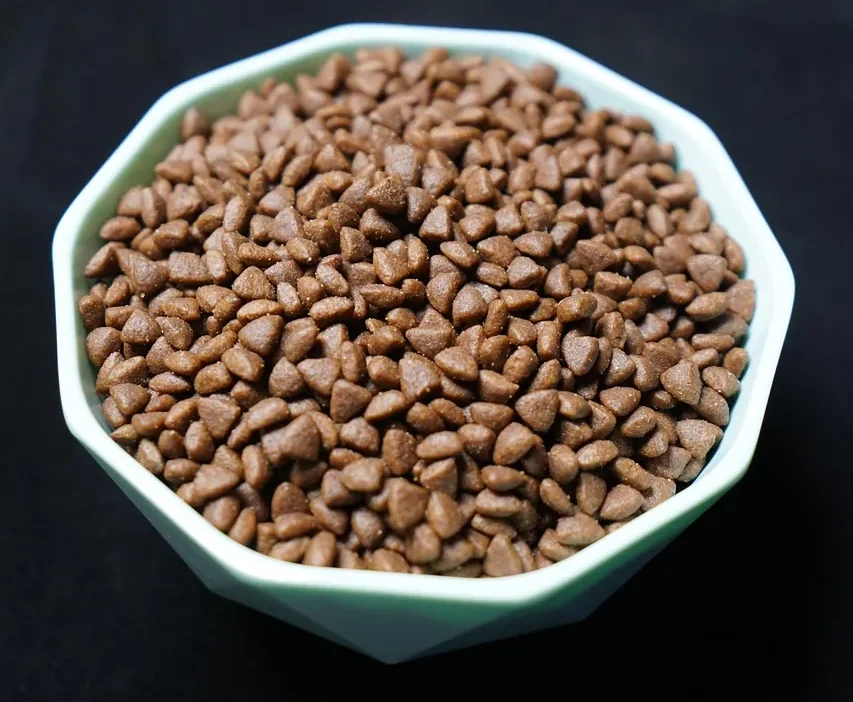
- Make it Appealing: Slightly warming wet food (for a few seconds in the microwave) can enhance its aroma. For kibble, a tiny sprinkle of a “topper” like freeze-dried chicken or a bit of broth from tuna (no salt added) can work wonders.
- Stick to a Schedule: Offer meals at consistent times instead of free-feeding. This creates a routine where your cat learns to eat when food is presented.
What To Avoid: Common Pitfalls
- Don’t leave the refused food down indefinitely. Offer the mixed meal for 20-30 minutes, then pick it up. This helps your cat learn meal times and prevents them from waiting you out for something better.
- Don’t hover and stare. Your anxiety is palpable. Set the bowl down and walk away.
- Avoid drastic “tough love.” Withholding all food for a long period to force acceptance is dangerous and can lead to serious health issues like hepatic lipidosis.
Common Mistakes That Make Pickiness Worse
Even with the best intentions, certain actions can accidentally train your cat to be more resistant. Avoiding these traps is key to long-term success.
The Brand-Hop: If the first transition attempt fails, immediately switching to a third brand teaches your cat that refusal leads to novel options. It turns mealtime into a buffet experiment. Stick with one new food for the full, gentle transition cycle before considering another.
Free-Feeding During Transition: Leaving a bowl of old kibble out all day while you offer scheduled meals of the new mix gives your cat an easy out. They’ll simply snack on the old food and ignore the new. For a transition to work, you need controlled meal times for all food.
The Anxious Owner Shuffle: Constantly offering new toppers, shaking the bowl, or talking to your cat while they eat broadcasts your stress. Cats pick up on this, which can make them wary of the food itself. Calm consistency is more effective than frantic encouragement. Remember, the goal is to solve transition cat food problems with quiet confidence, not negotiation.
Giving Up Too Soon: Some cats, especially older ones, need more than 10 days. If progress is slow but steady (they’re eating a little more of the mix each day), extend the timeline. The process of cat nutrition changes can require significant patience for some felines.
Building Confidence for Future Changes
Successfully navigating a food transition is about more than just getting your cat to eat a new kibble. It’s about learning to read their cues, respecting their instincts, and applying a method that reduces stress for both of you. This experience builds your toolkit as a cat owner.
By mastering this gentle, patient approach, you’re not just solving today’s problem. You’re creating a framework for any future dietary adjustments, whether for health, age, or simply finding a better product. Your cat’s trust in mealtime—and in you—will be stronger for it.