“A few extra treats never hurt anyone.” It’s a comforting thought, one that turns a simple snack into a gesture of love. But when it comes to our feline companions, this common myth can quietly undermine their health, leading to weight gain, nutritional imbalance, and even exposure to toxic ingredients. Treats are a powerful tool for bonding and training, yet they are not a dietary staple. This cat treats and food safety guide exists to debunk the misconceptions and provide a clear, practical framework. Our goal isn’t to eliminate joy from your cat’s life, but to reframe treats as a managed component of a healthy lifestyle. By understanding the principles of safety, moderation, and purpose, you can transform snack time from a potential pitfall into a positive, health-supporting habit that strengthens your bond without compromising their well-being.
Building healthy cat treat habits hinges on understanding that treats are not a dietary staple, must be given in strict moderation (≤10% of daily calories), and always chosen with safety as the top priority to avoid toxicity and weight gain. This means consistently checking ingredients against known dangers like xylitol, chocolate, and alliums, and never letting snacks displace balanced nutrition. By adhering to this foundation, you ensure that treats support—not sabotage—your cat’s overall health and vitality.
Myth vs. Fact: The 5 Biggest Misconceptions About Cat Treats
Before we can build healthy habits, we need to clear the clutter of common beliefs. Let’s dismantle five persistent myths that can undermine your cat’s well-being.
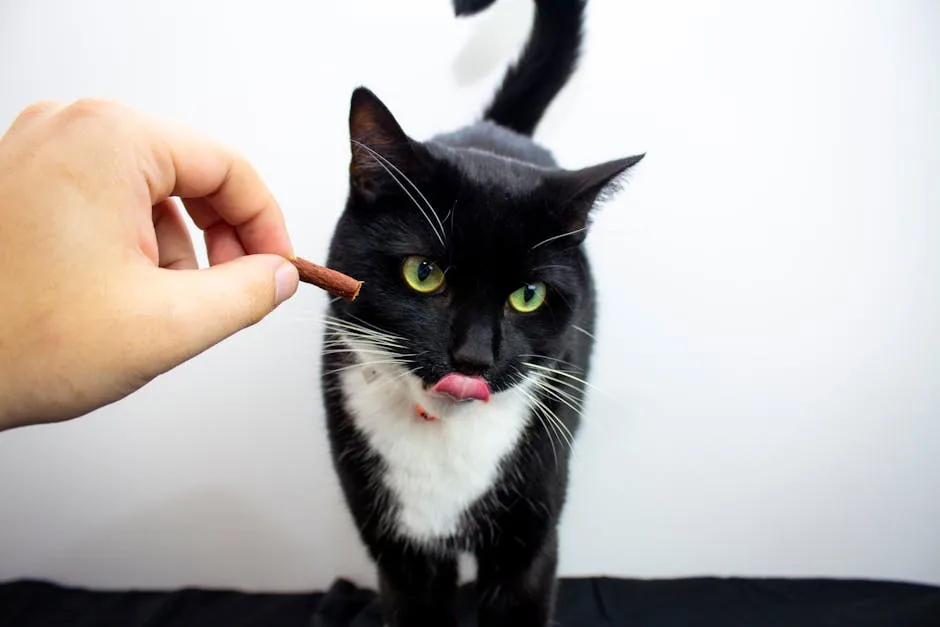
Photo by William Sutherland on Pexels
Myth 1: “A tiny bit of human food can’t hurt.”
Fact: For cats, toxicity isn’t always dose-dependent. Even a small amount of onion, garlic, chocolate, or xylitol can cause serious harm. It’s safer to assume most human foods are off-limits unless you’ve verified their safety with a reliable source like the ASPCA toxic foods list.
Myth 2: “Grain-free or ‘all-natural’ treats are always healthier.”
Fact: These are marketing terms, not regulated health claims. A grain-free treat can still be high in calories, fat, or contain unsafe ingredients. The true measure of a healthy cat snack is its nutritional appropriateness for your individual pet, not its label buzzwords.
Myth 3: “My cat will stop loving me if I don’t give them treats.”
Fact: Affection isn’t transactional. Cats bond through play, gentle petting, and routine. Using treats as a primary love language can create unhealthy cat treat habits and lead to obesity. Your relationship is built on more than snacks.
Myth 4: “If it’s sold as a cat treat, it must be safe in any quantity.”
Fact: Safety encompasses both ingredients and quantity. Overfeeding any treat, even a “healthy” one, disrupts nutritional balance. Portion control is a non-negotiable part of food safety.
Myth 5: “My cat is skinny, so treat limits don’t apply.”
Fact: A lean cat can still develop nutritional deficiencies or digestive upset from a diet skewed by treats. Furthermore, poor treat habits established now can lead to weight gain later. Moderation is a preventive practice for all life stages.
The Safety First Principle: What Makes a Treat ‘Safe’?
When we talk about safe cat treats, we’re referring to a multi-layered concept. It’s the absolute baseline that must be met before we even consider moderation or purpose.
1. Non-Toxic Ingredients
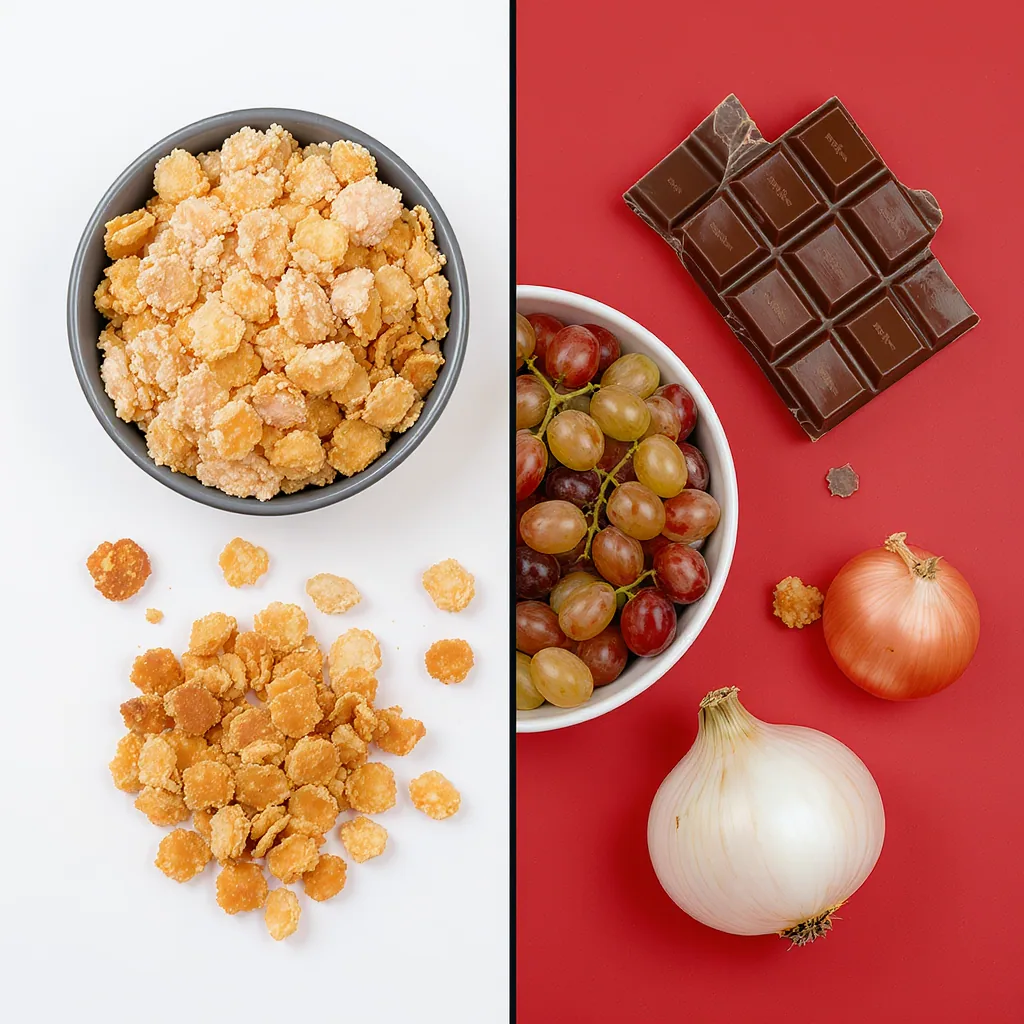
This is the most critical layer. Beyond the well-known dangers (chocolate, xylitol), be cautious with grapes/raisins, alcohol, caffeine, and anything in the allium family (onions, garlic, chives). When in doubt, don’t give it out.
2. Appropriately Processed
Homemade or raw treats carry a risk of bacterial contamination (like Salmonella or E. coli) that can affect both you and your cat. If you choose this route, stringent hygiene and proper cooking are essential. For most owners, commercially prepared treats that undergo safety testing are the more reliable choice.
3. Size and Texture Appropriate
A safe treat is one your cat can eat without choking or causing dental damage. Very hard treats may fracture teeth, while very gooey ones can stick to the roof of the mouth. Choose a size and consistency suitable for your cat’s size and dental health.
4. Understand the Label
Look for a named protein source as the first ingredient. Be wary of long lists of vague by-products, artificial colors, or excessive fillers. A treat designed for supplemental feeding will have an AAFCO statement, but remember—it’s still just a snack, not a meal.
Portion Patrol: The Math Behind Healthy Moderation
Once safety is assured, the next pillar is quantity. The widely accepted guideline is that treats should not exceed 10% of your cat’s total daily caloric intake. This isn’t arbitrary; it’s to ensure 90% of their nutrition comes from their complete and balanced main diet.
Let’s make this practical. Say your adult cat maintains a healthy weight on 200 calories of their regular food per day. Their daily treat budget is just 20 calories. Now, let’s translate that:
- One average commercial crunchy cat treat: ~2 calories. Your budget allows for about 10 of these.
- One teaspoon of plain, cooked chicken breast: ~15 calories. That’s nearly the entire budget in one go.
- A dollop of squeeze-up paste treat: Can be 20+ calories per serving, blowing the budget instantly.
The math reveals how quickly “just a little” adds up. This disciplined approach is the core of sustainable cat treat habits. It might mean breaking a larger treat into pieces or choosing lower-calorie options to provide more frequent, tiny rewards without overdoing it.
Strategic Snacking: Using Treats for Training & Bonding
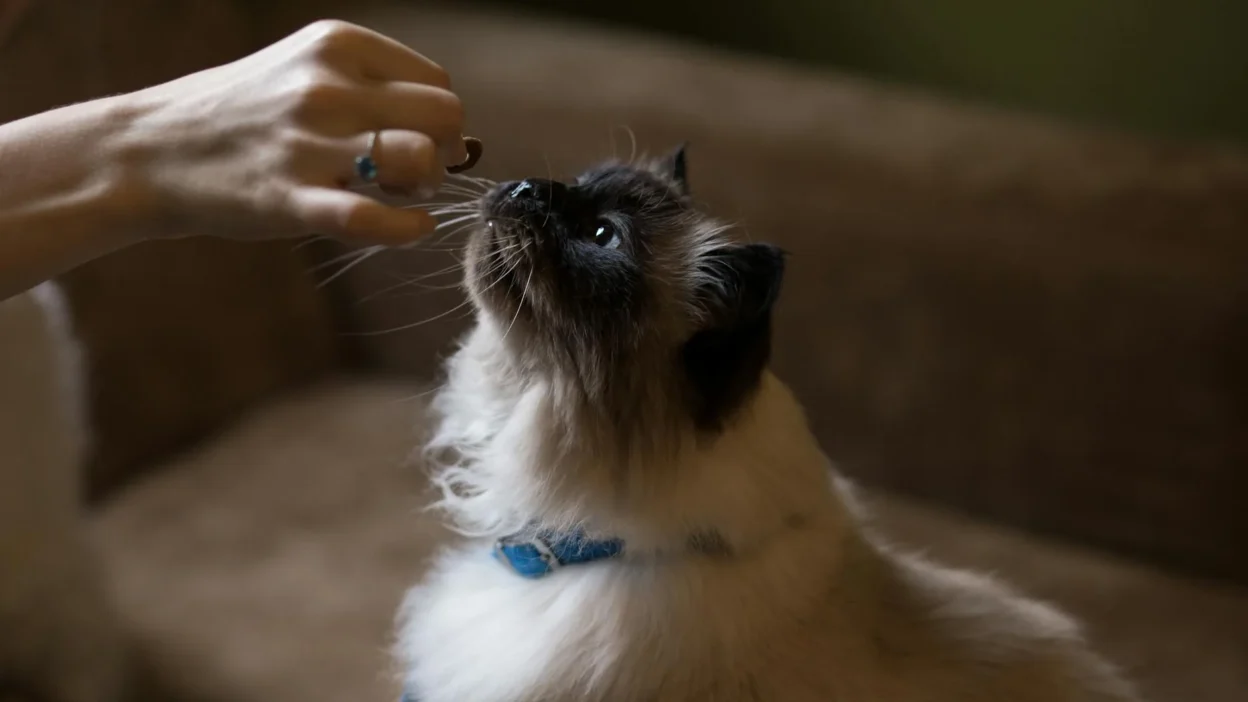
When governed by safety and moderation, treats transform from a mere indulgence into a powerful communication tool. The key is to be intentional.
Do’s: The Strategic Approach
- Do use high-value treats for training. Reserve a special, irresistible snack for teaching new behaviors, like coming when called or accepting a carrier.
- Do reinforce calmness. Reward your cat for settling quietly beside you instead of only for demanding attention.
- Do strengthen your bond. A treat given during a gentle grooming session or while calmly sitting together can create positive associations.
- Do use them for enrichment. Hide treats in a puzzle feeder to engage your cat’s natural hunting instincts.
Don’ts: The Common Traps
- Don’t use treats to stop begging or meowing. This rewards and reinforces the very behavior you want to stop.
- Don’t replace meals with treats. They lack complete nutrition.
- Don’t give treats out of guilt (e.g., before leaving for work). Affection and play are better substitutes.
- Don’t let every family member give treats independently, or you’ll lose track of the daily total.
Quick Guide: Treats as a Training Tool
To get the most out of your treat budget, follow this mini-plan:
- Identify the “High-Value” Treat: Find one protein your cat goes crazy for (e.g., freeze-dried salmon). Use this only for training new skills.
- Keep Sessions Short: 5 minutes is plenty. End on a success.
- Fade the Lure: Once the behavior is learned, gradually replace the treat with praise or a pet, giving the treat intermittently instead of every time.
Common Treating Pitfalls (And How to Avoid Them)
Even with the best intentions, it’s easy to stumble. Recognizing these common mistakes is the first step to correcting course.
Pitfall 1: Treat Creep
This is the slow, unnoticed increase in treat frequency or size. One becomes two, a small piece becomes a whole strip. Solution: Pre-portion the day’s treat allowance into a small container in the morning. When it’s empty, you’re done.
Pitfall 2: The “Food Replacement” Fallacy
Using treats to coax a picky eater to consume calories can backfire, teaching them to hold out for better offers. Solution: Stick to scheduled meals. If your cat skips a meal, consult your vet rather than topping up with treats.
Pitfall 3: Ignoring Dental Health
Some soft, starchy treats can contribute to plaque. Solution: If dental health is a goal, look for treats with a texture or shape designed to clean teeth and that carry the VOHC seal for proven efficacy. Remember, they supplement, but don’t replace, brushing.
Pitfall 4: Falling for Marketing Over Matter
Labels like “premium,” “holistic,” or “with superfoods” can be misleading. Solution: Look past the front of the bag. The ingredient list and nutritional analysis (calories, fat, protein) are the truth tellers.
Building Your Cat’s Personalized Treat Plan
Now, let’s synthesize everything into a simple, actionable plan tailored to your cat. Grab a notepad and answer these questions to build your framework.
Step 1: Assess Your Cat. What is their ideal weight? What is their daily calorie need for maintenance (your vet can help)? Do they have any health conditions (e.g., diabetes, kidney disease, food allergies) that dictate specific dietary restrictions?
Step 2: Define the Purpose. Are treats primarily for training, bonding, enrichment, or dental care? Your answer will guide your selection. A training treat needs to be high-value and quick to eat; a dental treat needs the right texture.
Step 3: Choose the Treat & Calculate the Math. Select 1-2 safe options that fit your purpose. Check the calorie content per treat or per serving. Calculate 10% of your cat’s daily calories and translate that into how many of your chosen treats they can have.
Step 4: Write It Down. Your plan might look like: “Whiskers, 10 lbs, 200 kcal/day. Treat budget: 20 kcal. Use freeze-dried chicken (3 kcal/piece) for training new ‘sit’ command (max 2 pieces/day). Use dental greenies (8 kcal/treat) every other day for oral care, reducing other treats that day.” This written guide prevents drift and ensures everyone in the household is aligned, turning theory into a true, healthy habit.
Treats as a Tool, Not a Temptation
Building healthy cat treat habits isn’t about saying “never.” It’s about shifting your perspective from seeing treats as a guilty pleasure to viewing them as a managed tool—one of the many ways you express care. By prioritizing safety, enforcing moderation, and applying purpose, you use treats to enhance your cat’s life without compromising their health.
This informed, mindful approach is fundamentally preventive. It helps avoid the slippery slope toward obesity, nutritional imbalance, and behavioral issues rooted in food anxiety. The most profound act of love is often the disciplined one. By integrating the principles of this guide, you’re not depriving your cat; you’re investing in their long-term vitality and strengthening your bond on a foundation of genuine well-being.
Healthy cat treat habits rest on three pillars: Safety, Moderation, and Purpose. Always choose snacks free from toxic ingredients and appropriate for your cat’s size. Strictly limit treats to 10% or less of daily calories to protect nutritional balance. Finally, use treats intentionally—for training, bonding, or enrichment—rather than as a response to begging or guilt. This framework turns treats from a dietary wildcard into a positive, controlled part of your cat’s healthy life.
Q: Can I give my cat dairy products like cheese or yogurt?
A: Many adult cats are lactose intolerant, and dairy can cause digestive upset. Small amounts of plain, low-lactose options like a dab of plain yogurt or a tiny piece of hard cheese are occasionally okay for some cats, but they are high in calories and fat. It’s generally safer to avoid dairy as a treat.
Q: Are ‘all-natural’ or ‘grain-free’ treats automatically healthier?
A: Not necessarily. These are unregulated marketing terms. A treat can be grain-free but loaded with calories from potatoes and peas, or “all-natural” but nutritionally inappropriate. Always check the ingredient list and calorie content first.
Q: How do I know if I’m giving too many treats?
A: Two clear signs are weight gain and a loss of appetite for regular meals. If your cat starts leaving their balanced food uneaten because they’re holding out for treats, or if the scale is creeping up, it’s time to recalculate the 10% rule and cut back.
Q: What are the best treat options for a cat with diabetes or kidney disease?
A: This requires direct veterinary guidance. Cats with these conditions often need treats with very specific protein, phosphorus, or carbohydrate profiles. Never guess—ask your vet for brand and portion recommendations that align with their therapeutic diet.
Q: Is it okay to use treats for clicker training?
A: Yes, clicker training is an excellent use of treats! The click marks the exact desired behavior, and the treat is the reward. Just be sure to use tiny, low-calorie treats and account for them in the daily budget. The frequency of rewards during a training session means each one must be minuscule.