
Every cat owner knows the feeling: you want to provide the absolute best nutrition for your feline friend, but the price tags on so-called “premium” foods can make your wallet—and your conscience—wince. The pet food aisle is a minefield of clever marketing, making it seem like you must choose between your budget and your cat’s health. This guide is here to dismantle that false choice. We’ll cut through the noise and show you how to buy better cat food on a budget by making strategic, impactful upgrades that truly matter for your obligate carnivore. It’s not about spending more; it’s about spending smarter, focusing your dollars on the nutritional fundamentals that fuel a healthy, happy cat without breaking the bank.
You can buy better cat food on a budget by focusing your spending on the most critical nutritional upgrades—specifically, the quality and source of animal protein—and employing savvy shopping strategies like calculating cost per feeding and buying larger bags when practical. Prioritize foods where a named meat (like chicken or salmon) is the first ingredient and consider incorporating more moisture-rich wet food, even if just as a supplement. This targeted approach ensures your extra dollar goes toward what your cat biologically needs, not just expensive marketing claims.
Redefining ‘Better’: What Actually Matters in Cat Food
Before you can shop smarter, you need to know what you’re shopping for. For cats—obligate carnivores—”better” isn’t about fancy packaging or exotic ingredients. It’s about aligning with their biological needs. When funds are limited, your budget should laser-focus on these non-negotiable priorities, not expensive marketing distractions.

Photo by itsmeseher on Pexels
The Core Filter: Non-Negotiables for Feline Health
Your first filter should always be the source of protein. A named animal protein (like chicken, turkey, or salmon) should be the first ingredient. Cats thrive on animal-based nutrients they can’t synthesize from plants. Next, consider moisture. Cats have a low thirst drive and evolved to get water from their food. While dry food fits a budget, incorporating even some wet food can be a significant health upgrade. Finally, the formula should be appropriate for your cat’s life stage (kitten, adult, senior) to ensure proper calorie and nutrient density.
Expensive Distractions You Can Often Skip
It’s easy to be swayed by trends that sound healthy but may not offer proportional value. “Grain-free” is a prime example; unless your cat has a diagnosed grain allergy, this feature often just substitutes grains with other starches like potatoes or peas, sometimes at a premium. Similarly, boutique proteins (like kangaroo or bison) or recipes loaded with superfoods (blueberries, kale) are nice but aren’t essential for a balanced diet. Your dollar is better spent on the quality of the core protein than on these peripheral additions.
The Budget Cat Owner’s Most Common Traps
Navigating the pet food aisle with a tight wallet can lead to well-intentioned mistakes that undermine both nutrition and savings. Recognizing these traps is the first step to avoiding them.
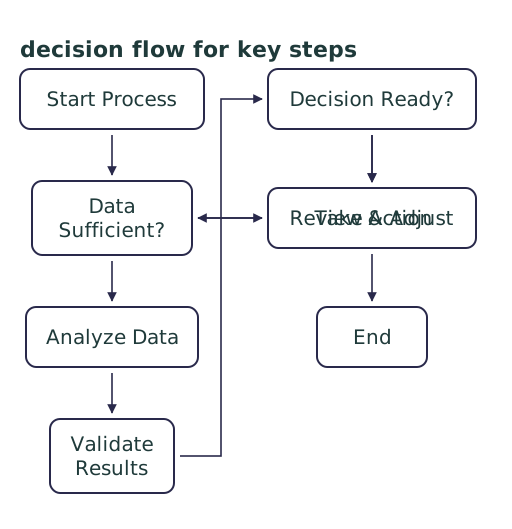
First, equating a higher price tag with higher quality is a classic error. A premium price often pays for marketing, boutique branding, or exotic ingredients your cat doesn’t need. Second, buying the smallest bag for the lowest upfront cost is a budget killer in the long run; you pay a massive premium for convenience. Third, ignoring the feeding guidelines on the bag can wreck your calculations. A “cheaper” food that requires you to feed twice as much to meet your cat’s needs is no bargain. Finally, hopping between brands and formulas based on sales can upset your cat’s digestive system, potentially leading to vet bills that erase any savings.
Your Smart Upgrade Filter: Where to Spend Your Extra Dollar
Think of improving your cat’s diet as a prioritized ladder. You start at the most impactful rung and only move up as your budget allows. This filter ensures every extra cent you spend delivers a tangible nutritional return.
1. Animal Protein Source & Position (Your Top Priority)
If you can only make one change, make it this. Shift from foods where the first ingredient is a vague “meat by-product” or a grain to one where a specific, named animal protein is listed first. This single change increases the quality of the most critical nutrient in your cat’s diet. The cost increase for this upgrade is often modest, especially when you apply savvy shopping tactics.
2. Moisture Content: Integrating Wet Food
Dry food is economical and convenient, but cats on an all-dry diet are often chronically dehydrated. Your next best upgrade is to introduce some wet food. You don’t need to feed exclusively wet food. Even replacing 20-25% of the dry diet with a high-protein, pate-style wet food can boost hydration and provide more animal-based nutrition. Look for wet foods where broth or water isn’t the first ingredient.
3. Life-Stage & Ingredient Transparency
After securing good protein and some moisture, ensure the food is formulated for your cat’s age. Kitten, adult, and senior foods have different caloric and nutrient profiles. Finally, consider brands that offer clearer ingredient sourcing information. This doesn’t mean the most expensive brand, but one that clearly lists its ingredients without vague terms, helping you avoid unnecessary fillers.
The Savvy Shopping Playbook: Tactics Beyond the Label
Finding the right food is half the battle; acquiring it without overspending is the other. These actionable budget cat food tips turn knowledge into savings.
DO calculate the real cost. Never look at just the bag price. Check the weight and calculate the price per ounce or kilogram. More importantly, look at the kcal/cup and feeding guidelines to estimate the cost per day to feed your cat. A dense, nutrient-rich food may cost more per bag but less per feeding.
DON’T ignore subscription savings. Many online retailers and pet store websites offer 5-20% discounts for auto-ship subscriptions. You can often adjust frequency or skip shipments, making this a flexible tool for locking in lower prices on foods you use consistently.
DO buy in bulk—strategically. Larger bags almost always have a lower cost per ounce. Only do this if you can store the food properly (in an airtight container in a cool, dark place) and if your cat will eat it consistently before it goes stale (typically within 4-6 weeks of opening).
DON’T forget to compare store formats. Big-box stores, warehouse clubs, farm supply stores, and online marketplaces can have surprisingly competitive prices on mainstream affordable quality cat food brands. A quick smart cat food shopping check on your phone before you buy can reveal significant savings.
Making It Work: A Realistic Weekly Feeding Plan
Let’s tie the principles and tactics together. Imagine a weekly budget of around $30 for one adult cat. Instead of an all-premium wet food diet (which could cost $50+), a strategic mix delivers better nutrition than bargain-bin dry food alone.
Scenario: You choose a reputable dry food where chicken is the first ingredient, bought in a 16-lb bag on subscription. This covers most of the calories. Then, you supplement three nights a week with a 3oz can of a simple pate wet food (chicken or turkey as first ingredient). The dry food, calculated daily, costs about $0.70/day. The wet food adds about $0.90 on those three days. Your weekly average? Roughly $28. This approach prioritizes animal protein, introduces beneficial moisture, and uses bulk buying and subscription discounts to stay within a value-driven pet food budget. It’s a practical model of cost-effective cat food strategy in action.
Your Next Step Towards Better Nutrition
Improving your cat’s diet on a budget isn’t about a single, overwhelming overhaul. It’s about intentional, incremental upgrades. This week, commit to one clear action from this guide. Maybe it’s spending five minutes comparing the protein sources in your current food against a few other options on the shelf. Or perhaps it’s calculating the true cost-per-feeding of your go-to brand.
Progress, not perfection, is the goal. By consistently applying the filter of what truly matters to your cat’s biology and pairing it with shrewd shopping habits, you’ll find that providing affordable quality cat food is not just possible—it’s a sustainable, empowering part of being a great pet parent. Start with one step, and build from there.
Buying better cat food on a budget is a two-part strategy: First, apply a nutritional filter focused on your cat’s needs as an obligate carnivore—prioritize a named animal protein as the first ingredient and seek ways to increase dietary moisture. Second, use a savvy shopping playbook to acquire that better food for less, by calculating true feeding costs, buying in bulk when practical, and leveraging subscription discounts. The goal is to direct your limited funds toward the upgrades that matter most, avoiding expensive marketing trends that offer little nutritional benefit.