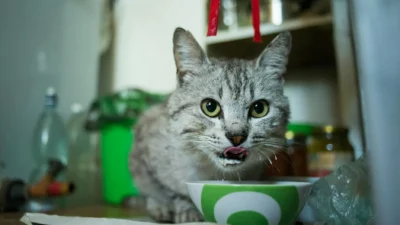
One of the most common, yet often overlooked, mistakes in cat care is feeding the same food from kittenhood through old age. While convenient, this one-size-fits-all approach can silently undermine your cat’s health, potentially leading to weight issues, nutritional deficiencies, and missed opportunities for optimal vitality at every age. Proper feeding by life stage for cats isn’t just a marketing gimmick—it’s a fundamental principle of feline wellness, aligning their diet with their body’s evolving biological needs. This guide will navigate the nutritional journey, offering two clear paths: first, the foundational basics of what kittens, adults, and seniors require, and second, the advanced path of adjusting for the health conditions that often accompany aging.
Here’s how to feed your cat by life stage: Kittens need high-calorie, protein-rich food for rapid growth. Adults require balanced maintenance diets to prevent obesity. Seniors benefit from easily digestible protein, joint support, and adjusted calories for slower metabolism. The key is transitioning foods gradually and monitoring weight and health at each stage.
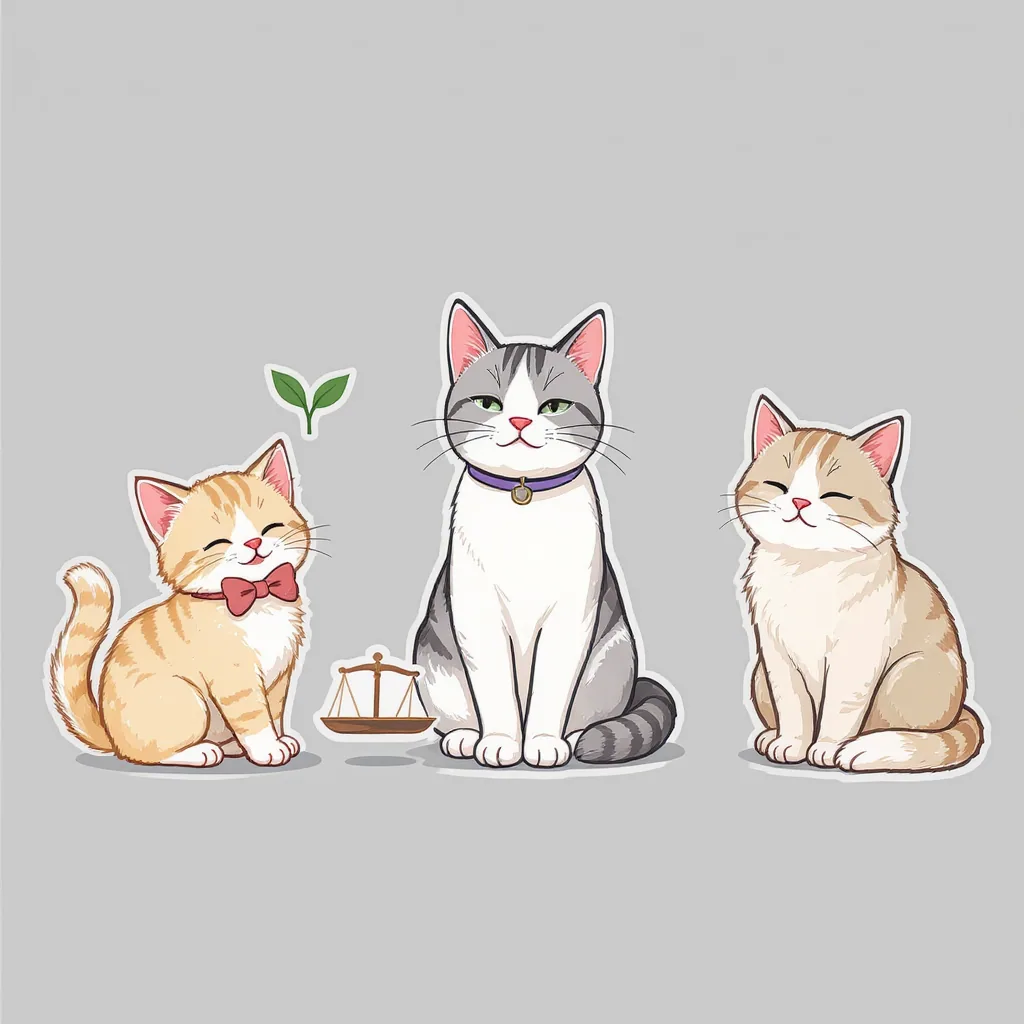
The Core Nutritional Journey: Kitten, Adult, Senior
Understanding your cat’s life stages is the first step to providing optimal nutrition. While individual cats age at different rates, we can broadly define three phases: Kittenhood (0-1 year), a period of explosive growth; Adulthood (1-7 years), focused on maintenance and vitality; and the Senior years (7+ years), dedicated to supporting aging bodies and preventing decline. Each stage has distinct goals, demanding a shift in the balance of calories, protein, and key nutrients.
Kitten: The Foundation Builder
A kitten’s body is a construction site operating at full capacity. Their energy needs are immense—often requiring two to three times more calories per pound than an adult cat. High-quality, animal-based protein is non-negotiable for building muscle, organs, and a strong immune system. Essential fatty acids like DHA are critical for brain and vision development, while calcium and phosphorus must be carefully balanced for proper bone growth without causing developmental issues.
Adult: The Balanced Maintainer
The goal shifts from growth to sustaining a lean, healthy body weight and supporting daily activity. An adult cat’s diet should be complete and balanced but not excessive in calories, as their metabolism slows, especially after spaying or neutering. Protein remains crucial for maintaining muscle mass, but the focus is on high digestibility. This stage is often where free-feeding or portion missteps lead to weight gain, making measured meals and regular monitoring key.
Senior: The Supportive Sustainer
Senior cats aren’t just “old adults.” Their metabolism continues to slow, muscle mass may naturally decrease (a condition called sarcopenia), and joint or dental issues can arise. Senior-specific cat life stage nutrition often features highly digestible protein to combat muscle loss, adjusted calorie levels to prevent obesity, and added supplements like glucosamine for joint health. Kidney and dental health become primary considerations, influencing food texture and nutrient profiles.
| Life Stage | Key Nutritional Goal | Calories & Protein | Essential Nutrients to Look For | Feeding Frequency |
|---|---|---|---|---|
| Kitten | Rapid growth & development | Very High Calories, Very High Protein | DHA (for brain/eyes), balanced Calcium/Phosphorus, high-quality animal protein | 3-4 meals/day |
| Adult | Weight maintenance & overall health | Moderate Calories, High-Quality Protein | TAURINE (essential), balanced fats for energy, fiber for digestion | 2 meals/day |
| Senior | Support aging organs & maintain muscle | Adjusted Calories (varies), Highly Digestible Protein | Omega-3s (anti-inflammatory), Glucosamine/Chondroitin, controlled Phosphorus | 2-3 smaller meals/day |
This table provides the foundational framework. However, the journey doesn’t end with age alone. The next path involves adjusting this framework for your cat’s unique health landscape.
Beyond Age: The Advanced Path of Health-Condition Adjustments
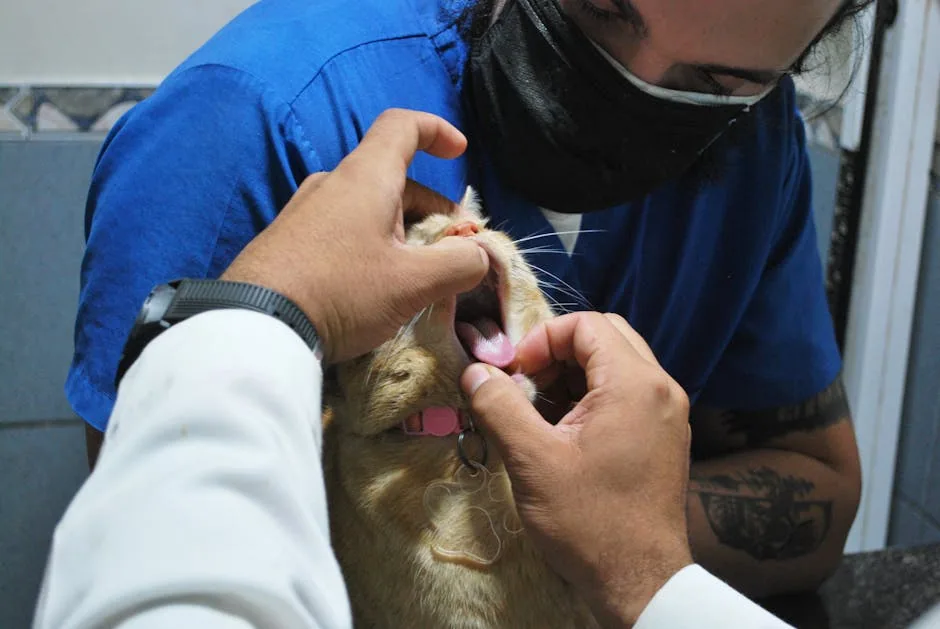
Photo by Ermelinda Maglione on Pexels
While age provides the baseline, your cat’s individual health status is the master override. Common conditions can make standard kitten adult senior cat food guidelines insufficient or even counterproductive. This advanced path isn’t about diagnosis—it’s about recognizing when to partner with your veterinarian to tailor your approach.
When Health Dictates the Diet
Several conditions necessitate specific dietary changes that transcend life stage labels. For instance, a cat with chronic kidney disease (CKD), common in seniors, typically requires a diet lower in phosphorus and high-quality, restricted protein to reduce kidney workload. A diabetic cat, on the other hand, needs a high-protein, low-carbohydrate diet to help regulate blood sugar, regardless of whether it’s labeled “adult” or “senior.” Arthritis pain might mean choosing a pâté-style wet food that’s easier for a stiff senior to eat than kibble, or adding supplements recommended by your vet.
Here’s a realistic scenario: Milo, a 12-year-old cat, is eating a standard senior diet but has started drinking more water. A vet check reveals early signs of kidney changes. The vet recommends transitioning to a renal support diet—a food specifically formulated with controlled protein and phosphorus levels. This is a health-condition adjustment that takes precedence over a generic senior feeding plan.
The Veterinarian as Your Guide
The critical rule here is that this path requires professional navigation. You should consult your vet if you notice changes in weight, thirst, appetite, mobility, or litter box habits. They can recommend therapeutic diets, which are often available by prescription, or suggest specific over-the-counter formulas that align with your cat’s needs. Resources like the World Small Animal Veterinary Association provide guidelines that vets use to inform these nutritional recommendations. Think of your vet as a co-pilot, helping you navigate beyond the basic map of life stages.
Choosing the Right Food: A Buyer’s Filter
Armed with knowledge of your cat’s life stage and health, how do you decode the overwhelming options on the shelf? Use these practical filters to cut through the marketing and find a food that supports your specific goals.
The Label Decoder: Your First Checkpoint
Always start with the AAFCO (Association of American Feed Control Officials) statement on the back. This tells you if the food is nutritionally complete and for which life stage. For a kitten, it must state “for growth” or “for all life stages.” For an adult, “for adult maintenance” is sufficient. A senior food should at least meet “adult maintenance” standards, but ideally, it will have added benefits for aging cats. The “all life stages” label means it meets the high nutritional bars for kittens, which can make it too calorie-dense for many sedentary adults or seniors.
Ingredient List & Nutrient Priorities
Look beyond the front package claims. The ingredient list is ordered by weight. For all cats, but especially kittens, high-quality animal protein sources (like chicken, salmon, turkey) should be the first ingredients. Then, apply your life-stage filter:
- For Kittens: Filter for foods explicitly labeled for growth, with high calorie density, DHA, and a guaranteed analysis showing high protein and fat levels.
- For Adults: Filter for “maintenance” formulas with moderate fat and calorie levels to prevent weight gain. Look for named meat proteins and a balance of fiber for hairball control and digestion.
- For Seniors: Filter for foods with easily digestible proteins, added omega-3 fatty acids for joint and kidney health, and potentially lower phosphorus levels. Consider moisture content—wet food can aid hydration, which is crucial for senior kidneys.
Your Quick-Look Checklist
Before you buy, run through this mini-checklist:
- AAFCO Statement: Does it match my cat’s life stage (Growth, Maintenance, etc.)?
- First Ingredients: Are they recognizable animal protein sources?
- Guaranteed Analysis: Are protein/fat levels appropriate for my cat’s age and body condition?
- Special Features: Does it offer needed benefits (e.g., joint supplements for a senior, DHA for a kitten)?
- Your Cat’s Preference: Will they actually eat it? (A practical but vital filter).
Common Feeding Mistakes Across All Life Stages
Even with the best intentions, it’s easy to stumble. Avoiding these common errors can prevent nutritional missteps and support long-term health.
1. Relying on “All Life Stages” Food Indefinitely
While convenient, this one-size-fits-all approach is often a poor fit. Feeding an “all life stages” food to an adult or senior cat can lead to excessive calorie intake and weight gain, as the formula is designed to support the intense demands of kitten growth.
2. Free-Feeding (Especially for Adults)
Leaving a bowl of dry kibble out all day removes portion control and can quickly lead to obesity in less active adult and senior cats. Measured meals, typically twice daily, allow you to monitor intake and adjust for weight changes.
3. Abrupt Food Transitions
Switching your cat’s food suddenly, whether to a new brand or a new life stage formula, is a common cause of gastrointestinal upset like vomiting or diarrhea. Always transition gradually over 7-10 days, mixing increasing amounts of the new food with the old.
4. Ignoring Water Intake
Cats have a low thirst drive. Relying solely on dry food, particularly for seniors prone to kidney issues, can contribute to chronic dehydration. Incorporating wet food and providing fresh, clean water daily (consider a fountain) is crucial for urinary and renal health.
5. Not Adjusting for Spay/Neuter
A cat’s metabolism can drop by up to 30% after being spayed or neutered. Continuing to feed the same amount of kitten food or high-calorie adult food post-surgery is a direct path to weight gain. Portions should be reassessed and often reduced.
Putting It All Together: Your Cat’s Feeding Plan
Now, let’s synthesize this into a actionable, personalized plan. Your strategy should blend the foundational life-stage approach with vigilance for health-based adjustments.
Monitor, Don’t Assume
The scale and your eyes are your best tools. Regularly weigh your cat and assess their body condition score (BCS)—you should be able to feel their ribs with a slight fat covering, and see a waist from above. An increase or decrease of even half a pound is significant for a cat. This monitoring informs whether you’re feeding the right amount of your chosen cat life stage nutrition.
Schedule Proactive Check-ups
Align veterinary visits with life stage transitions. A check-up around your kitten’s first birthday is the perfect time to discuss moving to adult food. For seniors, bi-annual vet visits are recommended to catch subtle changes in weight, kidney values, or dental health that necessitate a dietary pivot. These visits are your opportunity to discuss the advanced health-adjustment path.
Create a Flexible Routine
Establish consistent meal times and frequencies suited to your cat’s age. Kittens need frequent, small meals; adults typically do well with two; some seniors benefit from three smaller meals. Use this routine not just to feed, but to observe. Is your cat eager at mealtime? Finishing their food? Any change in behavior is a data point.
Remember, successful feeding by life stage is a dynamic process, not a set-it-and-forget-it task. Start with the core nutritional journey, stay observant, and be ready to walk the advanced path with your veterinarian’s guidance. This proactive, two-path approach is the cornerstone of supporting your cat’s health at every age.
Nourishing a Lifetime of Health
Getting cat life stage nutrition right is one of the most profound acts of care you can provide. It’s a long-term investment that pays dividends in vitality, potentially reducing the risk of diet-related diseases and extending your cat’s healthspan—those years of active, comfortable life. This proactive approach can also mean fewer unexpected vet visits, creating peace of mind and a stronger bond through consistent, attentive care.
The journey from kitten to senior doesn’t have to be navigated with guesswork. By understanding the shifting nutritional landscape and remaining an observant partner in your cat’s health, you empower yourself to make confident choices. Start today: look at the bag or can you’re currently feeding, assess your cat’s body condition, and consider if their diet is truly aligned with their stage of life. Your cat’s well-being, at every purr and playful leap, is the ultimate reward.
Providing optimal nutrition for your cat requires understanding their three key life stages: Kittenhood demands high-calorie, protein-rich food for growth; Adulthood focuses on balanced maintenance to prevent obesity; and the Senior years benefit from easily digestible protein, joint support, and adjusted calories. This foundational “life stage” approach should be combined with vigilance for health changes, as conditions like kidney disease or arthritis may require veterinary-guided dietary adjustments that override standard guidelines. The core takeaway is that proactive, age-appropriate feeding is a fundamental pillar of preventative healthcare for your feline companion.
Q: When should I switch my kitten to adult food?
A: Most kittens can transition to adult food around 12 months of age. However, some large breeds may benefit from staying on kitten food until 18-24 months. The best indicator is to consult your veterinarian at your kitten’s one-year check-up to assess their growth and overall condition before making the switch.
Q: Is ‘all life stages’ food okay for my senior cat?
A: It can be, but it’s often not ideal. “All life stages” food is formulated to meet the high nutritional demands of kittens, which typically means more calories and minerals like phosphorus. For a less active senior cat, this can contribute to weight gain and may not be optimal for aging kidneys. A food specifically