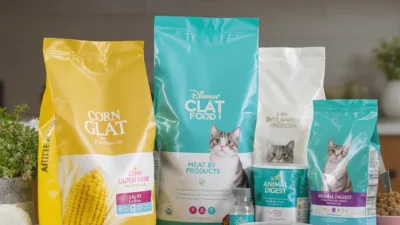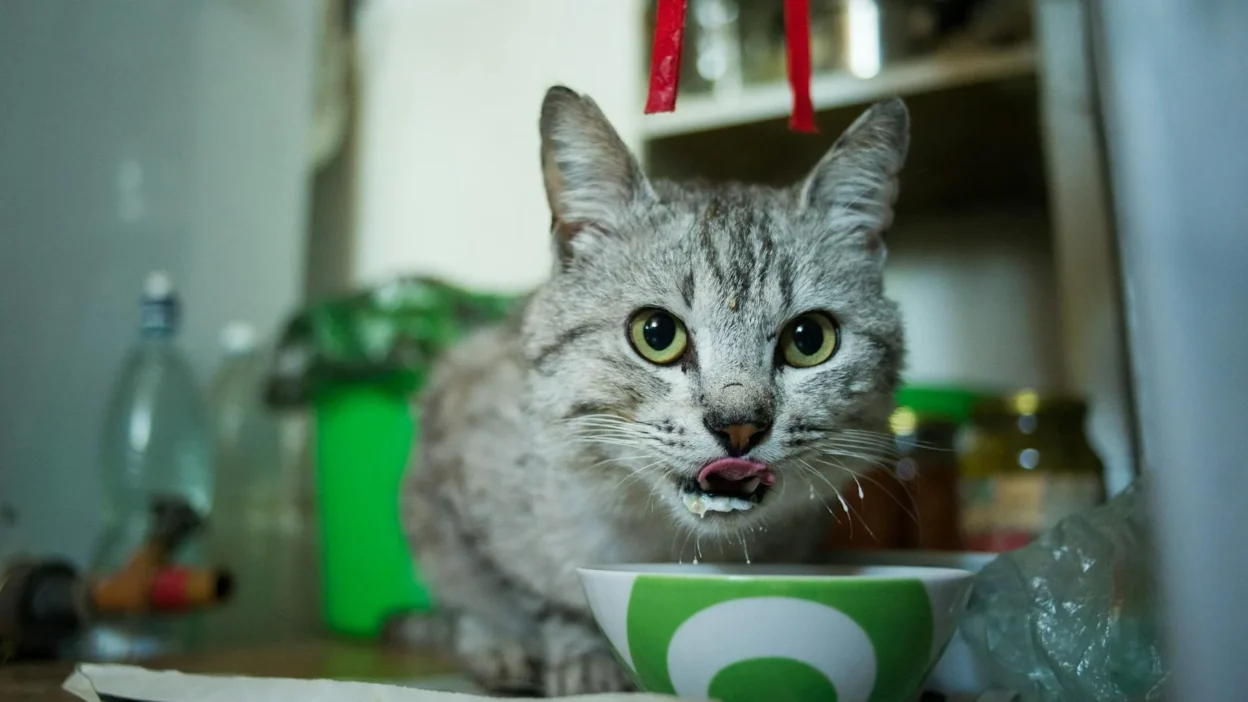
You might think feeding your cat is one of the simpler parts of pet ownership—just pick a bag or a can, fill the bowl, and you’re done. But the reality of feline nutrition is a fascinating puzzle, where clever marketing and persistent myths often obscure the simple, non-negotiable biological truths of what your cat’s body actually needs to thrive, not just survive. This guide cuts through the noise to deliver a clear, foundational understanding of cat nutrition basics. We’ll move past brand promises and trends to focus on the core principles of a balanced diet for cats, giving you the confidence to make informed choices that support your cat’s health, energy, and longevity from the inside out.
A balanced diet for your cat starts with recognizing they are obligate carnivores, requiring a foundation of high-quality animal protein, minimal carbohydrates, and sufficient moisture, whether from wet food, dry food, or a combination, all portion-controlled to maintain a healthy weight. Forget chasing fads; true cat nutrition basics are built on this biological imperative. Your goal is to provide a complete and balanced diet that meets these specific needs, which is the essence of a practical, effective balanced feeding guide.
The Carnivore’s Code: What Your Cat’s Biology Demands
To build a truly balanced diet for your cat, you must start with an undeniable biological fact: cats are obligate carnivores. This isn’t a preference; it’s a hardwired physiological necessity. Their bodies are evolutionarily designed to derive energy and essential nutrients almost exclusively from animal tissue. This reality forms the non-negotiable foundation of all feline nutrition fundamentals.
The Non-Negotiable Nutrients
What does “obligate carnivore” mean in practical terms? It means your cat has specific dietary requirements that plant-based sources cannot adequately fulfill.
- High Animal Protein: Protein from meat, organs, and fish provides essential amino acids like taurine and arginine. A deficiency in taurine, for instance, can lead to serious heart and eye problems.
- Animal-Sourced Fats: Fats provide energy and essential fatty acids like arachidonic acid, which cats cannot synthesize from plant oils and must get from animal fat.
- Pre-Formed Vitamins: Cats cannot convert beta-carotene from plants into Vitamin A. They require pre-formed Vitamin A from liver and other organ meats. Similarly, they rely on dietary sources for Vitamin D, as they don’t synthesize it efficiently from sunlight.
- Low Carbohydrate Requirement: A cat’s digestive system isn’t optimized for processing high levels of carbohydrates. While they can use some carbs for energy, their primary fuel should be protein and fat.
When you evaluate any cat food, this biological checklist is your first filter. A diet high in plant-based proteins or fillers fails to meet these core needs, no matter what the marketing claims. Understanding this code is the first step in your cat nutrition basics balanced feeding guide.
Myth vs. Fact: Debunking the Top Cat Food Misconceptions
Now that we understand the biology, let’s clear the fog of marketing. Many common beliefs about cat food are not just misleading—they can actively hinder your cat’s health. Here’s a direct myth-busting rundown to sharpen your cat nutrition overview.
Myth: “Grain-free means low-carb or better for cats.”
Fact: Grain-free simply means no corn, wheat, or rice. It often uses other high-carb ingredients like potatoes, peas, or lentils. The carb content can be just as high, or higher. Always look at the overall carbohydrate estimate, not just the “free-from” label.
Myth: “Dry food cleans my cat’s teeth.”
Fact: Kibble’s crunchy texture provides minimal abrasive effect. Cats typically shatter kibble with their molars rather than chewing it in a way that scrapes plaque off. Dental health is best supported by veterinary dental care, dental-specific diets, or brushing, not kibble alone veterinary dental care.
Myth: “Cats are great at self-regulating their food intake.”
Fact: While some cats can, many cannot, especially with highly palatable, calorie-dense dry food. Free-feeding kibble is a common contributor to feline obesity. Portion control is a critical owner responsibility.
Myth: “Meat by-products are low-quality fillers.”
Fact: By-products (like liver, heart, lungs) are often highly nutritious and packed with vitamins and minerals cats thrive on. The term is often unfairly maligned. The real concern is the quality and sourcing of the meat, whether it’s named “meal” or “by-product.”
Myth: “A premium price tag guarantees optimal nutrition.”
Fact: Price can reflect ingredient quality and sourcing, but it’s also heavily influenced by marketing, packaging, and boutique trends. An expensive food with a trendy ingredient (like kangaroo) is not inherently more “balanced” than a well-formulated mid-range food that meets all AAFCO requirements.
The Food Format Dilemma: Wet, Dry, Raw, or Mixed?
With the biology and myths clarified, the next practical decision is format. Each type—wet, dry, raw—has distinct pros and cons. The “best” choice depends on your cat’s health, your lifestyle, and your budget. Let’s compare the key points.
Wet Food (Canned/Pouched)
Pros: High moisture content (70-80%) supports urinary tract health and hydration, which is crucial as cats have a low thirst drive. Typically higher in animal protein and lower in carbohydrates than dry food. Often more palatable.
Cons: More expensive per calorie, less convenient (requires refrigeration after opening), and can contribute to dental plaque if not managed.
Dry Food (Kibble)
Pros: Convenient, cost-effective, and can be left out for free-feeding (though often not advised). Has a long shelf life.
Cons: Low moisture content (around 10%), which can be a problem for cats prone to urinary or kidney issues. Often higher in carbohydrates. Calorie-dense, making overfeeding easy.
Raw or Freeze-Dried Diets
Pros: Can closely mimic a natural prey diet in terms of moisture and protein content. Freeze-dried offers some convenience.
Cons: Significant risk of bacterial contamination (for both pet and owner), nutritional imbalances if not carefully formulated, and higher cost. Requires extensive research and handling care.
Your Practical Feeding Strategy
For many, a mixed feeding approach offers a good balance. Here’s a simple, actionable strategy:
- Prioritize Moisture: Aim to incorporate wet food into the diet daily, even if it’s just one meal.
- Use Kibble Strategically: If you use dry food, measure it strictly as part of the daily calorie allotment, not as an endless buffet.
- Consider Life Stage: Kittens and seniors may benefit more from the easier-to-eat, hydrating nature of wet food.
- Focus on the Formula: A high-quality wet food is generally preferable to a low-quality dry food, and vice-versa. The format is secondary to the ingredient and nutrient profile.
Decoding the Label: A Buyer’s Filter for Smart Choices
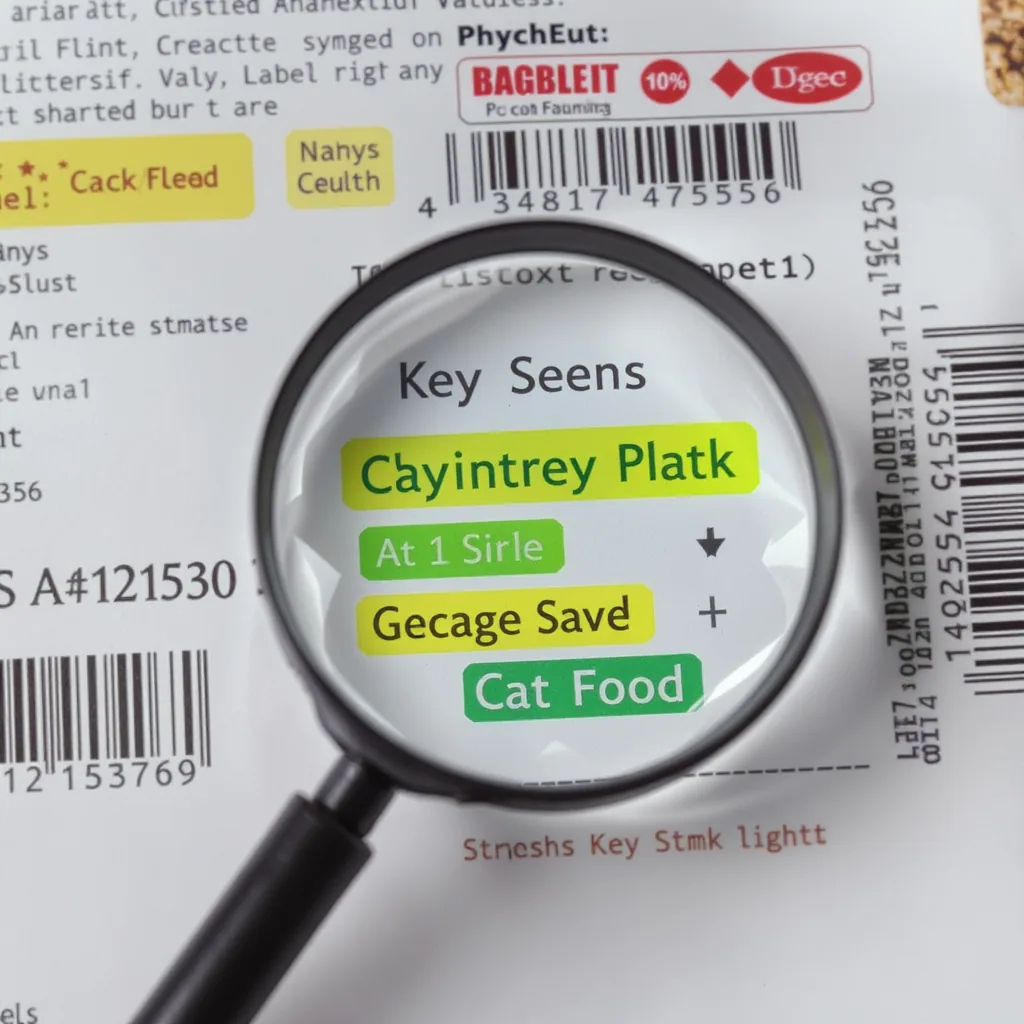
The pet food aisle is a wall of claims. To cut through the noise, you need to become a label detective. The packaging is an ad; the label is the contract. Here’s your four-step filter for evaluating any cat food.
Step 1: The Ingredient List – Order Matters. Ingredients are listed by weight before processing. Look for a named animal protein (e.g., “chicken,” “salmon,” “beef”) as the first ingredient, and ideally the second and third as well. Beware of “splitting” – where multiple forms of grains or potatoes are listed separately to push them down the list.
Step 2: The Guaranteed Analysis – Look Beyond Percentages. This shows minimums and maximums for protein, fat, fiber, and moisture. For a rough estimate of carbohydrates (which aren’t listed), you can calculate: 100% – (% Protein + % Fat + % Fiber + % Moisture) = ~% Carbs. In wet food, this number should be very low (often under 10%).
Step 3: The AAFCO Statement – The “Balanced” Stamp. This is crucial. Look for the phrase: “[Product] is formulated to meet the nutritional levels established by the AAFCO Cat Food Nutrient Profiles for [Life Stage].” This means the food has been designed to be nutritionally complete, either by formulation or by passing feeding trials AAFCO nutrient profiles.
Step 4: Decipher Marketing Terms.
“Natural” has a loose definition. “Human-grade” is a marketing term, not a regulatory one for pet food. “Holistic” has no legal definition at all. Don’t let these terms override the concrete data from steps 1-3.
Portion Control & Feeding Schedule: The Art of the Right Amount
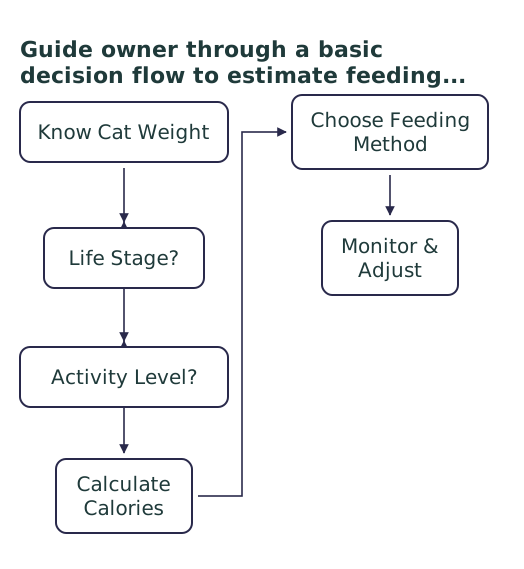
You can choose the perfect food, but if you overfeed it, you create a new problem: obesity. Determining the right amount is where theory meets practice. It’s not about filling the bowl; it’s about meeting precise energy needs.
Why Calories Count: Feeding guidelines on bags are averages for a population. Your individual cat’s needs depend on their ideal weight, age, neuter status, and activity level. A sedentary, spayed indoor cat needs far fewer calories than a young, active hunter.
Do’s and Don’ts of Portion Control:
- DO calculate your cat’s daily calorie needs. Your veterinarian can help, or you can use a reputable online calculator as a starting point.
- DO use a kitchen scale or measuring cup to portion food accurately every day.
- DO assess your cat’s body condition regularly (you should be able to feel their ribs easily under a thin fat layer, and see a waist from above).
- DON’T rely on your cat’s appetite or begging as a gauge for hunger. Many cats will eat out of boredom.
- DON’T forget to count calories from treats, which should not exceed 10% of daily intake.
Free-Feeding vs. Scheduled Meals: Scheduled meals (2-3 times daily) are generally recommended. They allow for precise portion control, help monitor appetite (a key health indicator), and can reduce obesity risk. Free-feeding dry food can work for some cats that self-regulate perfectly, but it’s the exception, not the rule.
Common Feeding Pitfalls (And How to Steer Clear)
Even with the best intentions, it’s easy to stumble. Recognizing these common traps can help you navigate toward a healthier balanced diet for cats.
The “All-Tuna” or “All-Chicken” Trap: Feeding only one type of meat (like canned tuna for humans or plain cooked chicken) creates severe nutritional deficiencies. These are supplements or toppings, not complete diets.
The Sudden Switch: Abruptly changing your cat’s food can cause digestive upset. Always transition over 7-10 days by slowly mixing increasing amounts of the new food with the old.
The Ignored Water Bowl: Cats evolved from desert animals and have a weak thirst drive. Especially if feeding dry food, ensure fresh water is always available in multiple locations. Consider a cat water fountain to encourage drinking.
The Fad Diet Follow: Applying human diet trends (like gluten-free or vegan) to your cat ignores their obligate carnivore biology. Their nutritional needs are not a trend.
The Food-as-Love Fallacy: Using food as the primary reward or solution for boredom or behavioral issues can lead to overfeeding and weight gain. Offer affection, play, and environmental enrichment instead.
Your Confident Next Step
Mastering cat nutrition isn’t about memorizing complex charts or chasing the latest expensive brand. It’s a learnable skill built on a simple foundation: respect for your cat’s carnivore biology, a critical eye for marketing, and a commitment to measured, mindful feeding.
The path to a truly balanced diet for your cat is clear. Don’t feel overwhelmed by the entire journey at once. Start with one decisive action today. Take the bag or can of food you’re currently using and apply the four-step label filter from this guide. Or, make an appointment for a vet check-up to get a professional body condition score and tailored calorie recommendation. Your cat’s health and vitality are worth that first, confident step.
This guide to cat nutrition basics establishes four pillars for a balanced feeding strategy:
- Biology First: Cats are obligate carnivores requiring high animal protein, specific animal-sourced nutrients, and low carbohydrates.
- Label Literacy: Look past marketing. Prioritize named meat ingredients, calculate estimated carbs, and verify the AAFCO statement for completeness.
- Informed Format Choice: Choose wet, dry, or mixed feeding based on your cat’s hydration needs, your budget, and convenience, remembering that moisture is often a critical factor.
- Precise Portion Control: Calculate daily calories based on your cat’s ideal weight and lifestyle, use measured meals, and regularly assess body condition to prevent overfeeding.
Avoiding common myths about grains, dental health, and self-regulation is the first step toward applying these principles effectively for your cat’s long-term well-being.
Q: How much water should my cat drink daily?
A: A general guideline is that cats should consume about 1 ounce of water per pound of body weight per day. However, cats eating wet food get much of this moisture from their food, while cats on dry food need to drink more from their bowl. The best indicator is to ensure they have constant access to fresh water and to monitor for signs of dehydration (e.g., lethargy, loss of skin elasticity).
Q: Is a grain-free diet better for cats?
A: Not necessarily. “Grain-free” doesn’t mean low-carb or more species-appropriate. Many grain-free foods use other starchy ingredients like potatoes or legumes. Unless your cat has a diagnosed grain allergy (which is rare), the focus should be on the food’s overall carbohydrate content and quality of animal protein, not the absence of grains.
Q: How often should I change my cat’s food brand or flavor?
A: There’s no nutritional requirement to rotate brands. Some cats are sensitive to change and do best on a consistent diet. If you wish to offer variety to prevent pickiness or provide nutritional diversity, do so gradually and stick within brands or formulas with similar quality and ingredient profiles to avoid stomach upset.
Q: Are homemade cat diets safe and balanced?
A: Formulating a nutritionally complete and balanced homemade diet for a cat is extremely complex. It requires precise knowledge, supplementation, and regular veterinary oversight. An unbalanced homemade diet can cause severe nutrient deficiencies or toxicities over time. If you’re interested, consult a veterinary nutritionist to formulate a safe recipe.
Q: My cat is a picky eater. What should I do?
A: First, rule out medical issues with a vet. If health is clear, ensure you’re not free-feeding, which can reduce appetite for meals. Try offering a different protein source or texture (pate vs. chunks in gravy). Warm the food slightly to enhance aroma. Be patient and consistent—frequent, drastic changes can reinforce picky behavior.
To put this into practice, check Portioning & Feeding Routines.