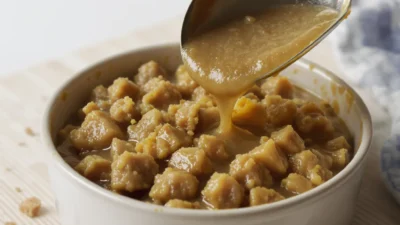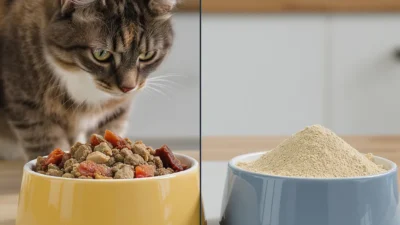
You’ve seen the scene: a hopeful dollop of wet food plopped next to a scoop of kibble, a well-intentioned attempt at combining wet and dry cat food. An hour later, you’re faced with a congealed, unappetizing mash in one bowl and a scattering of ignored, stale kibble across the floor. Your cat, meanwhile, looks unimpressed. This messy reality is why many cat owners abandon the excellent idea of a mixed diet, which offers crucial hydration from wet food and dental benefits from dry. But it doesn’t have to be a chaotic, wasteful ordeal. This guide is your practical, step-by-step protocol to build a clean mixed feeding schedule that delivers all the benefits without the mess, turning a frustrating chore into a simple, sustainable wet dry cat food routine.
You can successfully combine wet and dry cat food without making a mess by using separate bowls, sticking to a consistent schedule, and cleaning up promptly. The key is to treat them as distinct meals, not a single mixed pile. Think of it as a simple system of separation and timing, not a free-for-all blend. With a few clear habits, you’ll keep your cat happily fed and your floors clean.
The Core Protocol: Separate, Schedule, Clean
Think of this as your three-rule playbook for a clean mixed feeding schedule. Stick to these pillars, and you’ll avoid 90% of the mess.
1. Separate Bowls (Always)
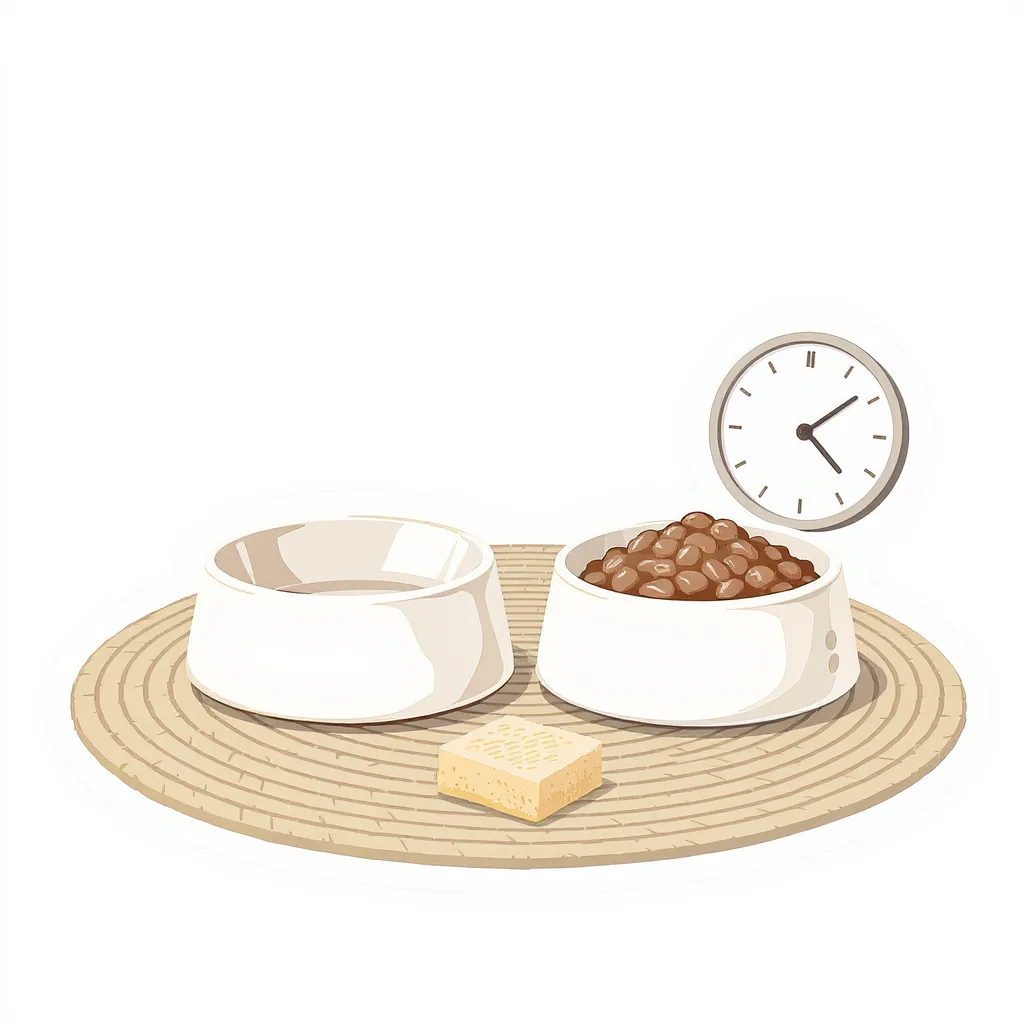
This is the golden rule. Never, ever mix wet and dry food in the same bowl at the same time. Combining them creates a soggy, unappetizing mess that dries into a cement-like crust and can spoil faster. Instead, use two distinct bowls. This keeps textures appealing and makes clean-up straightforward.
2. Set a Consistent Schedule
Your wet dry cat food routine thrives on predictability. Most successful setups use wet food for scheduled meals and dry food for limited-time access or as a supplement. A common pattern is:
- Wet Food: Served at specific times (e.g., morning and evening). Portion out only what your cat will eat in one sitting.
- Dry Food: Either offered in a measured amount for a few hours midday or used in a puzzle feeder for stimulation. It should not be a 24/7 buffet if you’re controlling portions.
This schedule helps manage calorie intake and prevents your cat from holding out for wet food while letting dry kibble go stale.
3. The Clean-Up Ritual
Prompt action is what keeps your floor clean. For wet food, remove the bowl after 20-30 minutes, even if there’s food left. This prevents bacterial growth and stops your cat from playing with the leftovers. Wash the wet food bowl with soap and hot water after every single meal. Rinse the dry food bowl daily and wash it thoroughly every few days.
Your Mess-Free Feeding Setup
The right tools make any job easier. A few simple choices in your feeding station can drastically reduce spillage and mess.
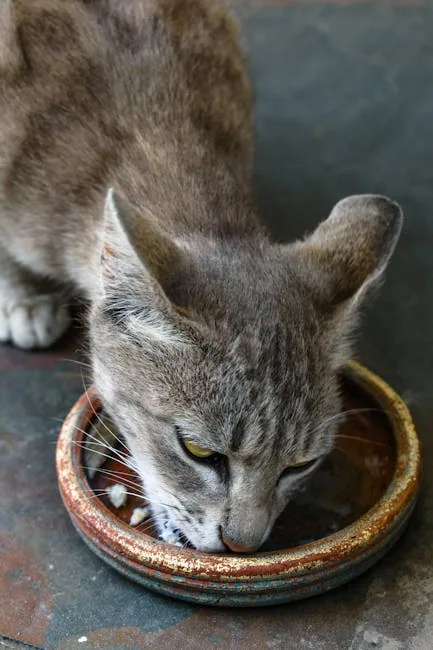
Photo by Chalta Phirta on Pexels
Do:
- Use wide, shallow bowls for wet food. These prevent “whisker fatigue” and make it easy for your cat to eat without pushing food over the edge.
- Place a silicone or easy-wipe mat under both bowls. It catches spills, kibble, and water drips, protecting your floor.
- Use a dedicated spoon or scoop for the wet food. It’s more precise than a fork and keeps your hands clean.
- Position bowls in a quiet, low-traffic corner. Cats prefer to eat without being disturbed, which reduces anxious, messy eating.
Don’t:
- Use deep, narrow bowls. They trap food at the bottom and get your cat’s chin messy, encouraging them to wipe it on your rug.
- Place bowls against a wall or in a corner. Cats like a clear view while eating and may back out of a cramped space, dragging food with them.
- Leave dirty bowls sitting out. It attracts bugs and can put your cat off their next meal.
Common Pitfalls (And How to Avoid Them)
Even with good intentions, small mistakes can derail your clean routine. Here’s how to spot and fix the most common ones.
Overfilling the Bowl: Giving too much wet food at once is a prime cause of waste and mess. Cats may eat only the gravy, leave the chunks, or simply walk away from an overwhelming portion. The Fix: Start with small portions (think a tablespoon or two per meal) and increase only if your cat consistently finishes it quickly.
Mixing Foods in One Dish: We mentioned it, but it bears repeating: blending cat food in a single bowl creates a soggy disaster. The Fix: Absolute separation. Two bowls, always.
Leaving Wet Food Out Too Long: Beyond 30-60 minutes, wet food dries out, smells, and becomes a breeding ground for bacteria. The Fix: Set a timer if you have to. Make picking up the wet food bowl part of your post-meal routine.
Inconsistent Timing: If you feed wet food at random times, your cat may pester you or ignore their dry food, waiting for the “good stuff.” The Fix: Anchor wet meals to your own routine, like right after your morning coffee or as you start making dinner.
Using the Wrong Bowl Type: A deep ceramic bowl might look nice, but it can turn mealtime into a messy challenge for your cat. The Fix: Opt for that wide, shallow dish. Your cat’s comfort often translates to a cleaner eating area cat bowl selection.
Troubleshooting a Reluctant or Messy Eater
Some cats add their own unique challenges to the mixed feeding method. Don’t worry—there are solutions.
Scenario: “My cat only eats the wet food and ignores the dry.” This is common. Your cat is expressing a preference. Solution: First, ensure you’re not overfeeding with wet food. You can try offering the dry portion at a different time or location, or use a puzzle feeder to make the kibble more interesting. The goal is balance, not forcing them to eat both from the same spot simultaneously.
Scenario: “My cat flings kibble everywhere.” This could be playful hunting behavior or an attempt to remove unwanted kibble from the bowl. Solution: Use a heavier, wide-based bowl that’s harder to tip. A puzzle feeder or a flat feeding mat can also contain the flying kibble and turn it into a game.
Scenario: “My cat tries to ‘bury’ their unfinished food.” This is a natural instinct to hide leftovers from predators. Solution: It’s a clear sign you should remove the food. Pick up the bowl promptly after they walk away. This satisfies their instinct that the “cache” is hidden and keeps your floor clean.
Remember, every cat is different. The key is to adapt these principles to your cat’s personality while sticking to the core protocol of separation, schedule, and clean-up.
A Clean Routine is a Happy Routine
Successfully combining wet and dry cat food without chaos isn’t about finding a magic product—it’s about building simple, consistent habits. By treating wet and dry foods as separate components of your cat’s diet, served and cleaned on a predictable schedule, you eliminate the major sources of mess.
Embrace the slight learning curve. If your first wet dry cat food routine attempt isn’t perfect, just adjust the portions or timing. The payoff is worth it: a happily hydrated cat enjoying the best of both food worlds, and you enjoying a home free of food flings and soggy surprises.