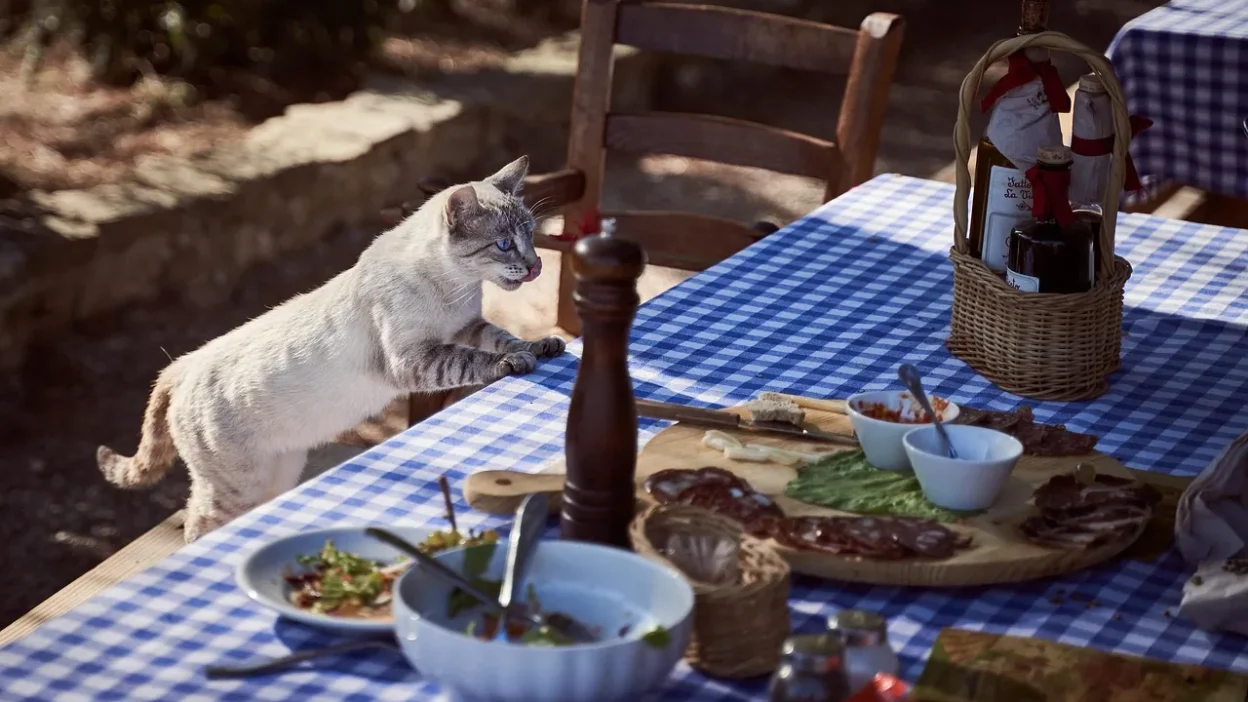
You turn your back for a moment, and your curious cat has already investigated the plate you left on the coffee table. Maybe they’ve licked a bit of garlic butter or taken a tiny bite of onion from a fallen burger. It seems harmless, but for felines, many common human foods contain hidden, potent toxins that can cause rapid and severe health issues. Understanding which foods cats should never eat is a fundamental part of responsible pet ownership, turning everyday vigilance into a simple act of protection. This guide cuts through the confusion with a clear, actionable cat food safety checklist and a straightforward emergency plan, so you can move from worry to informed action.
Cats should never eat onions, garlic, chocolate, xylitol, alcohol, or grapes/raisins, as these can cause rapid organ damage or failure. If you suspect ingestion, immediately contact your veterinarian or a pet poison control center—do not wait for symptoms to appear. Speed is critical, but panic isn’t helpful; having your vet’s number and a clear idea of what was eaten are your best first tools.
The Immediate Danger List: Top Toxic Foods
Your kitchen is full of everyday items that can be extremely dangerous for your cat. This toxic foods for cats list focuses on the most common and severe offenders. Even small amounts can cause rapid health issues, so treat these as absolute no-gos.
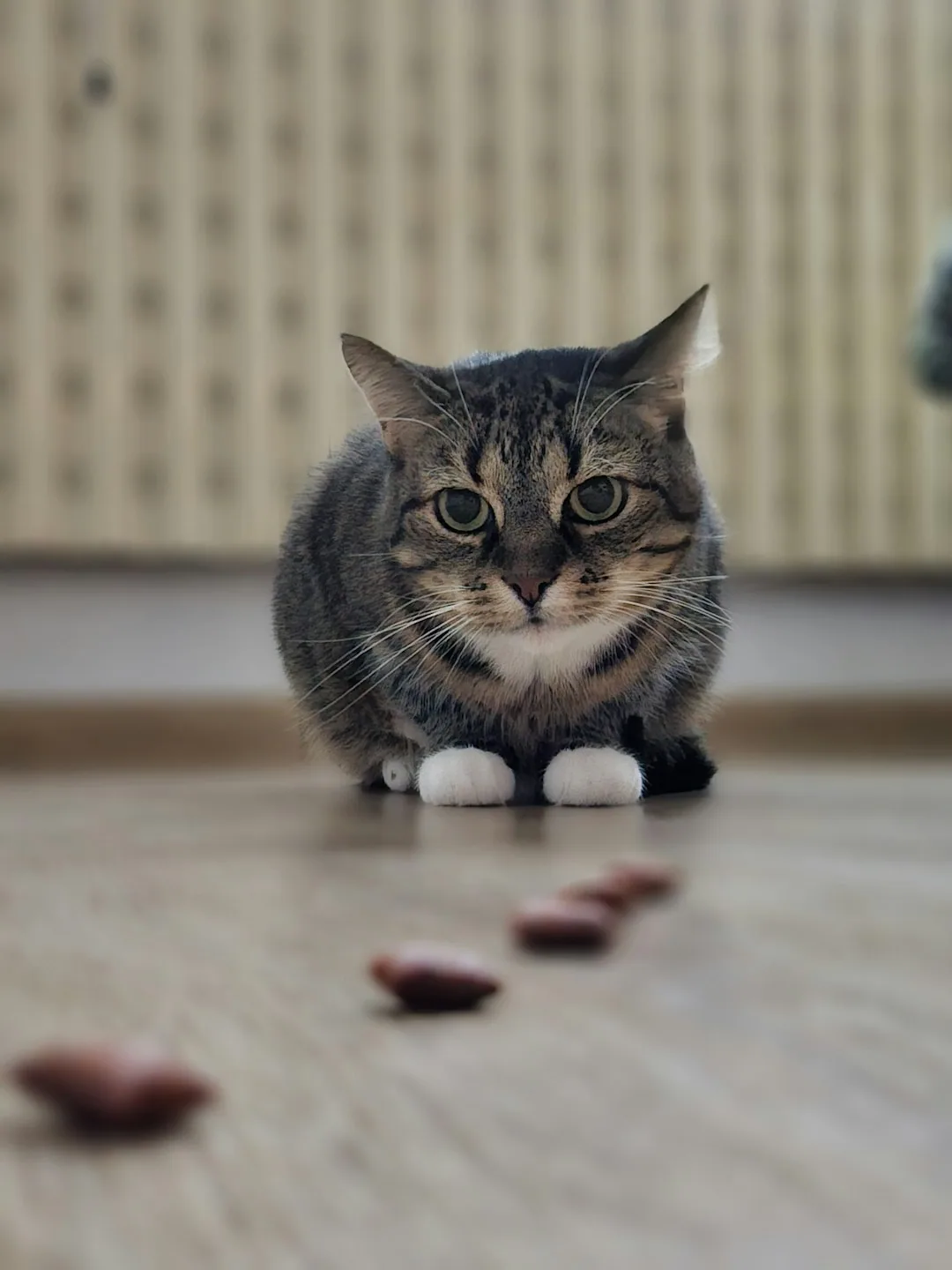
Photo by Lucie Hošová on Unsplash
Chocolate & Caffeine: Contains theobromine and caffeine, which cats cannot metabolize. Ingestion can lead to vomiting, diarrhea, rapid breathing, heart arrhythmias, seizures, and even death. Dark chocolate and baking chocolate are the most potent.
Alliums (Onions, Garlic, Chives, Leeks): These contain compounds that damage a cat’s red blood cells, leading to hemolytic anemia. This includes all forms—raw, cooked, powdered, or as seasoning in broths and sauces. The damage can be cumulative over time.
Xylitol: This artificial sweetener, found in sugar-free gum, peanut butter, and some baked goods, triggers a massive insulin release in cats. This can cause life-threatening hypoglycemia (low blood sugar) and potential liver failure.
Alcohol: Any amount is toxic. It depresses the central nervous system and can lead to vomiting, disorientation, difficulty breathing, coma, and death. Be mindful of unattended drinks and raw yeast dough, which ferments in the stomach.
Grapes & Raisins: The exact toxin is unknown, but even a few can cause sudden kidney failure in some cats. Symptoms include vomiting, lethargy, and decreased urination.
What to Do Right Now: Emergency Response Flow
If you suspect your cat has eaten something from the danger list, follow this cat food safety checklist for emergencies. Do not panic, but act quickly and decisively.

Step 1: Assess & Secure
If safe to do so, try to identify what your cat ate and estimate how much. Remove any remaining food and your cat from the area. Do not attempt to make your cat vomit unless explicitly instructed by a professional, as this can sometimes cause more harm.
Step 2: Call for Professional Help Immediately
This is the most critical step. Contact your veterinarian, an emergency vet clinic, or a pet poison control center like the ASPCA Animal Poison Control Center (888-426-4435) or the Pet Poison Helpline (855-764-7661). Have details ready: your cat’s approximate weight, what they ate, how much, and when. Be prepared to follow their instructions precisely.
Step 3: Monitor & Transport
While waiting for guidance or on your way to the vet, watch for symptoms like vomiting, drooling, tremors, or lethargy. If you go to the clinic, bring the packaging or a sample of what your cat ate. Remember, this guide is for educational purposes and is not a substitute for professional veterinary diagnosis and care.
Common Kitchen Mistakes & Hidden Sources
Often, exposure happens through well-meaning mistakes or not realizing where these toxins hide. Here’s how to avoid common pitfalls.
Don’t share “just a bite” of your seasoned meal. That piece of steak cooked with onion powder or garlic salt is a risk. Instead, if you want to share, offer a plain, cooked piece of meat like unseasoned chicken or fish.
Don’t assume “a little won’t hurt” with foods like grapes or chocolate. Sensitivity varies, and it’s impossible to know your cat’s tolerance. Instead, stick to treats formulated specifically for felines.
Don’t leave baking projects unattended. Raw bread dough can expand in a cat’s stomach, causing bloat, and the fermenting yeast produces alcohol. Instead, keep rising dough securely covered in a turned-off oven or microwave.
Don’t use human products like peanut butter as a treat without checking the label. Many “sugar-free” versions contain xylitol. Instead, always read ingredient lists carefully or choose vet-recommended cat treats. This proactive approach is a key part of a broader pet safety strategy.
Beyond the Kitchen: Other Household Hazards
While food is a primary concern, a complete cat food safety checklist extends to other household items a curious cat might nibble on. Pet-proofing your home is an ongoing process.
Many common houseplants are toxic. Lilies are especially deadly for cats—every part of the plant, including the pollen, can cause acute kidney failure. Other dangerous plants include sago palms, azaleas, and dieffenbachia.
Never give your cat medication intended for humans unless directed by your vet. Common pain relievers like acetaminophen (Tylenol) or ibuprofen are extremely toxic to cats. Always store all medications securely out of paw’s reach.
Knowledge is Your Best Tool
Being aware of dangerous foods for cats isn’t about living in fear; it’s about empowered, proactive care. You are now equipped with a clear safety checklist that lets you spot risks before they become emergencies.
This vigilance is one of the most practical ways to show love for your feline companion. By keeping these items out of reach and sticking to a diet formulated for their needs, you’re creating a safe environment where they can thrive. Here’s to many happy, healthy years of sharing your home—and maybe the occasional safe treat—with your curious cat.