Does your cat sniff their bowl and walk away, despite loving that flavor last week? You’re not alone. Many cat owners face the delicate dance between their pet’s apparent food boredom and the well-known advice to maintain a stable diet. It’s a real tension: on one paw, we want to keep mealtime interesting and engaging for our feline friends. On the other, we’ve heard the warnings about digestive upset and creating a picky eater by switching foods too often. The good news is that you don’t have to choose between monotony and mayhem. A thoughtful, science-informed approach to rotating cat food flavors offers a middle path—providing sensory variety while respecting your cat’s need for dietary stability. This isn’t about chasing novelty; it’s about understanding feline behavior and crafting a feeding strategy that supports both their health and their curiosity.
The best way to rotate cat food flavors is to introduce new proteins gradually, every few weeks, while keeping the base formula consistent. Start by mixing a small amount of the new flavor with the old over 7-10 days. This prevents digestive upset while offering sensory variety, helping to stave off food boredom without creating a picky eater.
The Science of Feline Feeding: Boredom vs. Stability
To find the right balance, it helps to understand what’s happening from your cat’s perspective. The term “cat food boredom” is a useful shorthand for a behavioral pattern, not necessarily a proven feline emotion. What you’re likely observing is a decreased interest in a food that has become overly predictable. Cats are sensory-driven eaters, relying heavily on smell and texture. When the same scent and mouthfeel are presented day after day, the initial appeal can wane, leading to that familiar sniff-and-walk-away routine.
On the other side of the coin is your cat’s need for dietary stability. Their digestive systems are finely tuned, and sudden, frequent changes can lead to upset stomachs, vomiting, or diarrhea. More subtly, constantly offering new flavors can inadvertently train a cat to become a picky eater, holding out for the next novel option. This creates a cycle of food neophobia (fear of the new) mixed with an expectation of constant novelty. The goal of a thoughtful dietary rotation for cats is to offer sensory variety without disrupting digestive health or encouraging finicky behavior.
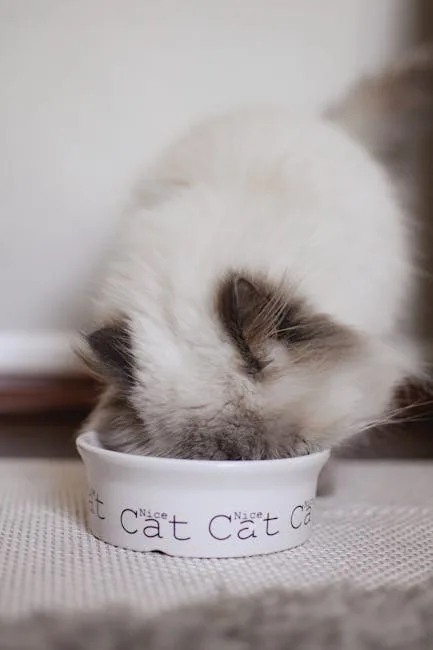
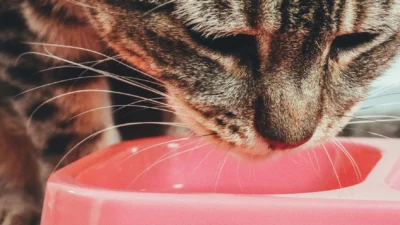
Photo by Claudia Schmalz on Pexels
What a Healthy Rotation Actually Looks Like
A successful flavor rotation isn’t about surprise and excitement at every meal. Think of it as a slow, predictable curriculum of new tastes, not a daily pop quiz. The core principle is to keep the nutritional base consistent—this means sticking with the same trusted brand and product line (e.g., the same brand’s “indoor formula” or “sensitive stomach” line) while varying the primary protein source within that line.
So, what does how often to change cat food flavor look like in practice? A sustainable pace is typically every three to four weeks. This gives your cat’s digestive system ample time to adjust and establishes a reliable pattern. A sample monthly schedule might be: weeks 1-4 on chicken formula, weeks 5-8 on turkey, and weeks 9-12 on fish. This approach to varying cat food flavors provides novelty at a biological pace your cat can handle, helping to prevent food monotony before it starts.
Your Safe Rotation Protocol: Dos and Don’ts
With the “why” and “what” established, here’s the actionable “how.” Following these simple guidelines will help you implement variety safely and effectively.
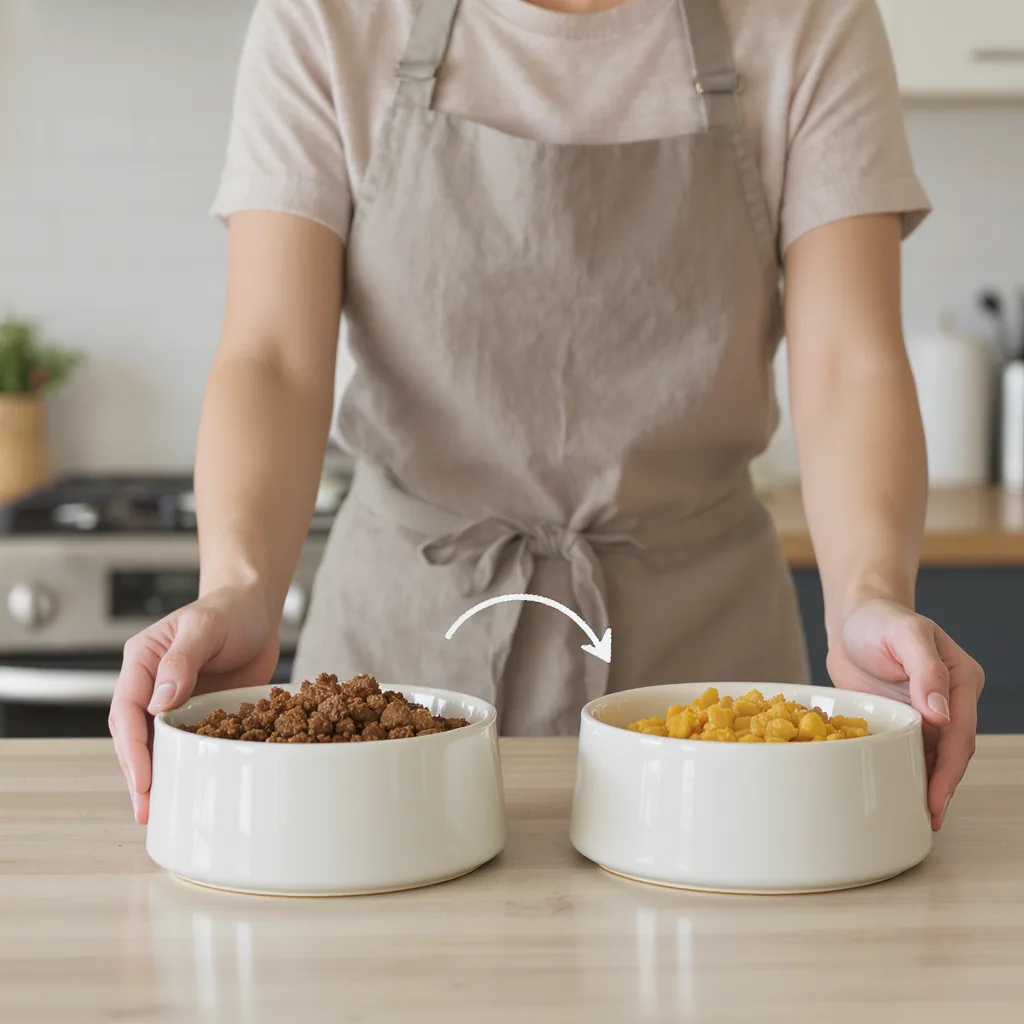
DO: Transition gradually over 7-10 days. Start by mixing 25% of the new flavor with 75% of the old. Every few days, increase the proportion of the new food until you’ve fully switched.
DO: Focus on rotating protein sources (chicken, beef, duck, fish) within a single product line you trust. This maintains a consistent vitamin and mineral profile.
DO: Observe your cat’s stool during the transition. A brief, minor change is normal; persistent issues mean you should slow down or reconsider that protein.
DON’T: Change flavors daily or even weekly. This is the fastest way to upset a sensitive stomach and create a picky eater.
DON’T: Panic and switch immediately if your cat skips a meal. Cats can be naturally intermittent eaters. Offer the same food at the next mealtime before deciding they dislike it.
DON’T: Jump between radically different brands or formulas (e.g., grain-free to high-grain, or kitten to senior) without a specific reason and potentially a vet’s advice. This information is for educational purposes and is not a substitute for professional dietary guidance veterinary nutritionist.
Signs You’re Nailing It (or Overdoing It)
Your cat will give you feedback. Learning to read it lets you fine-tune your approach. Positive signs mean your flavor rotation schedule is working. You’ll see consistent, enthusiastic eating at mealtimes, stable digestion, and a cat who is curious about new foods but doesn’t refuse their current meal.
Red flags suggest the strategy needs adjustment. Watch for increasing pickiness, where your cat starts refusing foods they previously liked unless something newer is offered. Digestive upset that coincides with changes is a clear sign to slow down. Most telling is if your cat begins to act hungry but turns up their nose at their bowl—this can indicate they’ve learned to hold out for a better offer, a sign the rotation has become too frequent or unpredictable. If you see these signs, return to a single, consistent flavor for a month to reset expectations before trying a slower, more methodical approach to introducing new cat food flavors.
Finding Your Cat’s Feeding Sweet Spot
Navigating between routine and variety doesn’t require a complex strategy, just a mindful one. By understanding your cat’s need for both sensory interest and digestive calm, you can build a feeding plan that avoids the extremes of monotony and chaos. Remember, the ultimate goal isn’t to provide a constantly novel menu, but to foster a happy, healthy eater who enjoys their meals without fuss. A slow, steady approach to meal variety for cats offers the best of both worlds, giving you peace of mind and your cat a satisfying dining experience.
For a plain-language explanation, see Switching Cat Food Smoothly.