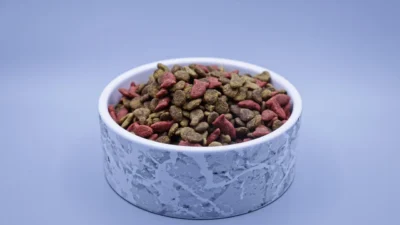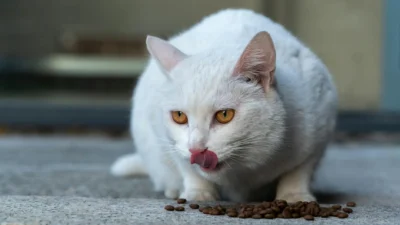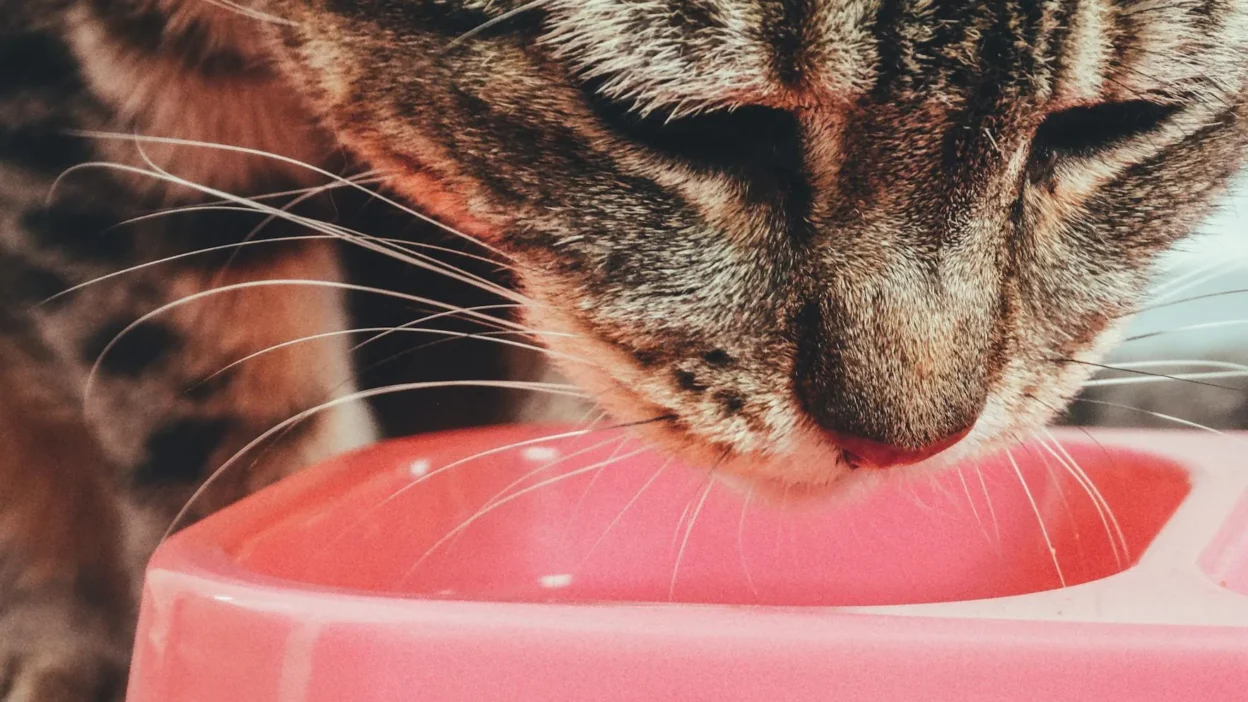
You’re standing there, holding a new bag of cat food, full of hope for a shinier coat or better digestion for your feline friend. Your cat, meanwhile, is giving you a look of profound suspicion from across the room. This quiet moment of domestic standoff is where most well-intentioned diet changes go wrong. The anxiety is real: will this new food cause an upset stomach, a messy accident, or worse, a full-blown hunger strike? The good news is that switching your cat’s food doesn’t have to be a source of stress. The single biggest mistake, and the root of most problems, is rushing the process. This step-by-step switching cat food transition guide is your stress-free protocol, designed to move your cat from their old food to the new with patience and precision, turning a potential ordeal into a simple, uneventful routine.
To switch your cat’s food smoothly, plan for a 7 to 10-day transition where you slowly mix increasing amounts of the new food with the old, allowing your cat’s digestive system to adjust without distress. Start with a small amount of the new food blended into their usual meal, and gradually increase the ratio over the course of a week. This gradual cat food change gives their gut microbiome and digestive enzymes time to adapt, preventing common issues like vomiting, diarrhea, or food refusal. Always monitor your cat’s appetite and stool consistency throughout the process, and be prepared to pause or slow down if you notice any signs of trouble.
Why Rushing a Food Switch Risks Your Cat’s Health
That urge to swap out the old bag for the new one in one go is understandable, but it’s a shortcut that often leads directly to problems. The reason a gradual cat food change is non-negotiable isn’t just about pickiness; it’s biology. Your cat’s digestive system is a complex ecosystem, home to a specific community of bacteria (the gut microbiome) that has learned to break down the nutrients in their current food. Suddenly introducing a completely new recipe with different protein sources, fiber levels, and fat content is like throwing a surprise party for their intestines—one that usually ends in vomiting, diarrhea, or a total refusal to eat.
This abrupt change doesn’t give their body time to produce the necessary enzymes to digest the new food efficiently. The result is digestive distress, which is uncomfortable for your cat and stressful for you. More importantly, a cat that associates a new food with feeling sick may develop a long-lasting food aversion, making future dietary changes even harder. Following a proper cat food transition schedule isn’t about being overly cautious; it’s about respecting your cat’s internal wiring and protecting their comfort. It’s the most reliable method for cat digestive upset prevention during a diet change.
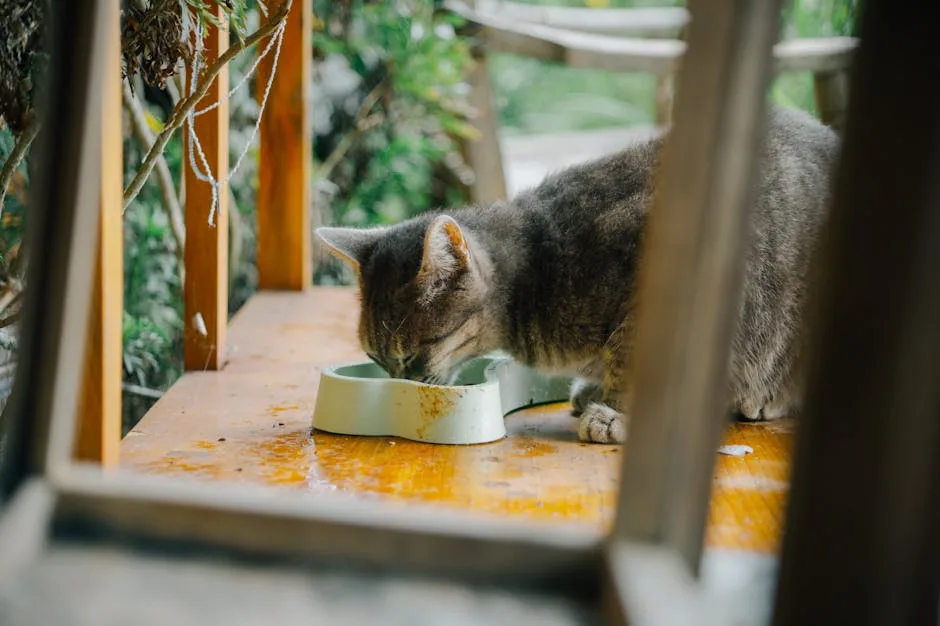
Photo by Dương Nhân on Pexels
Your Pre-Transition Checklist: Setting the Stage for Success
Before you even open the new bag, a little preparation turns the process from a guessing game into a smooth protocol. Think of this as your mission control checklist.
- Secure Your Supply: Ensure you have at least 10-14 days’ worth of your cat’s current food. Running out mid-transition forces you to rush, which defeats the whole purpose.
- Choose the New Food Intentionally: Whether you’re switching for health, life stage, or ingredient reasons, select the new diet carefully. If possible, opt for a new food with a similar primary protein source to the old one (e.g., chicken to chicken) to make the adjustment easier on your cat’s system.
- Establish a Baseline: Take note of your cat’s normal appetite and stool consistency for a day or two. This gives you a crucial reference point to identify any subtle changes during the transition.
- Gather Your Tools: Have a dedicated measuring cup or kitchen scale for accuracy, and clean food bowls ready. Consistent portions are key to managing the mixing ratios properly.
The 7-Day Transition Protocol: A Day-by-Day Guide
This is your core, day-by-day playbook for change cat food gradually. Adhere to this schedule, and you significantly increase your odds of a seamless switch. Remember, this is a guideline; some cats may need a slower 10 or even 14-day pace. Watch your cat, not just the calendar.
Days 1 & 2: The Gentle Introduction
Mix 25% new food with 75% old food. For example, if your cat gets 1 cup of food daily, that’s ¼ cup new mixed thoroughly with ¾ cup old. Serve this blend for all meals over two full days. This tiny introduction lets your cat encounter the new taste and smell without it being overwhelming. Monitor closely: The main goal here is acceptance. Is your cat eating normally, or are they hesitating or picking around the new bits?
Days 3 & 4: Ramping Up the Ratio
Increase to a 50/50 blend—half new, half old. This is often the stage where any digestive sensitivity might surface, as the new food becomes a significant portion of the meal. Recovery Checkpoint: This is your most important observation window. Check your cat’s stool. Is it firm and normal, or is it starting to soften? If you see perfect stools and good appetite, proceed. If you see soft stool but your cat is acting fine, pause at this 50/50 ratio for an extra day or two until their system settles.
Days 5 & 6: The New Majority
Shift to 75% new food and 25% old food. By now, your cat’s digestive enzymes and gut bacteria should be adapting. Appetite should remain steady. Continue to monitor stool quality. If any issues arose earlier and you paused, only advance to this stage once those issues have fully resolved for at least 24 hours.
Day 7: Full Transition
You’ve reached 100% new food. Congratulations! Your cat should now be eating their new diet comfortably. Continue to observe for another few days to ensure the adjustment is complete and stable.
Troubleshooting the Transition: When Things Don’t Go to Plan
Even with the best plan, cats can throw curveballs. Here’s how to handle common hiccups without panic.
Scenario: My Cat Refuses to Eat the Mixed Food
Solution: First, ensure you’re mixing the foods thoroughly so they can’t simply pick out the old kibble. If they’re still turning up their nose, take a step back. Revert to the previous ratio they accepted for another day or two. You can also try adding a tiny bit of low-sodium chicken broth or warming wet food slightly to enhance aroma. Patience is critical; forcing the issue can create a hunger strike.
Scenario: Soft Stool or Diarrhea
Solution: This is a clear sign to slow down. Immediately revert to the previous mixing ratio where stools were normal (e.g., go back from 50/50 to 25/75). Hold at that ratio for several days until digestion firms up. Only then attempt to move forward again, and consider stretching the entire cat food transition schedule to 10-14 days. If diarrhea is severe or persistent, consult your veterinarian to rule out other issues feline digestive health.
Scenario: Occasional Vomiting
Solution: Similar to diarrhea, pause and step back to a safer ratio. Ensure you’re not overfeeding, as a new food might be more calorie-dense. Also, consider if the new food’s texture (e.g., larger kibble) is causing your cat to eat too fast. If vomiting continues after adjusting the ratio and pace, stop the transition and seek veterinary advice.
Special Scenario Adjustments: Seniors, Kittens, and Sensitive Stomachs
While the 7-day protocol is a robust standard, some cats benefit from a customized approach. The core principle of gradual mixing remains, but the timeline may stretch.
For Senior Cats
Older cats often have less resilient digestive systems and may be more set in their ways. Transitioning cat food for a senior should be done with extra gentleness. Consider extending the protocol to 10-14 days, spending extra time at the 25/75 and 50/50 blends. Monitor not just digestion but also energy levels and hydration closely.
For Kittens
Kittens have high energy needs but can still have sensitive stomachs. When switching from kitten formula to adult food, or between growth formulas, use a slow transition but avoid prolonging it excessively, as nutritional balance is crucial for development. A 7-10 day schedule is typically appropriate, with vigilant monitoring for any signs of digestive upset or weight loss.
For Cats with Known Sensitivities
If your cat has a history of food allergies, IBD, or a famously sensitive stomach, your veterinarian likely has specific recommendations. Generally, these cats require the slowest transition of all—think 14 days or even longer. Each incremental increase should be tiny (e.g., 10% more new food every 2-3 days). The goal is near-invisible change to their system. Always prioritize veterinary guidance for these cats dietary management plans.
Common Mistakes to Avoid for a Smooth Switch
Knowing what not to do is just as important as following the steps. Steer clear of these frequent pitfalls:
- The “Cold Turkey” Switch: This is the #1 cause of digestive disaster. Never replace the entire meal at once unless directed by a vet for a medical emergency.
- Drastic Protein Source Changes: Jumping from fish to rabbit is a bigger shock than chicken to turkey. When possible, make a lateral move to ease the adjustment.
- Ignoring the New Food’s Instructions: Some new foods, especially therapeutic diets, have specific transition guidelines on the bag. Read them; they may recommend an even slower pace.
- Misinterpreting Normal Hesitation: A cat sniffing cautiously or eating a bit slower on Day 1 is normal curiosity, not rejection. Don’t immediately switch to a different new food, creating a cycle of instability.
- Changing Too Much at Once: Avoid switching both dry and wet food formulas simultaneously. Transition one at a time to isolate the cause of any issues.
Patience is Your Secret Ingredient
Successfully changing your cat’s diet isn’t a test of speed, but a practice in attentive care. By committing to a gradual, observant process, you’re doing more than just swapping kibble—you’re prioritizing your cat’s comfort and long-term health over convenience. This method transforms what could be a stressful ordeal for both of you into a quiet, non-event. Trust the protocol, watch your cat closely, and remember that slowing down is always the right answer if you’re unsure. Your mindful approach is the best guarantee for a happy tummy and a smooth transition to their new food.
The golden rule for switching your cat’s food is simple: mix gradually and proceed slowly. A successful transition typically spans 7-10 days, methodically increasing the proportion of new food while decreasing the old. Your most powerful tools are careful observation of your cat’s appetite and stool, and the willingness to pause or even step back a step if you see signs of digestive upset. When in doubt, extend the timeline. By following this structured approach, you give your cat’s system the time it needs to adapt, turning a potentially risky change into a smooth and stress-free experience.