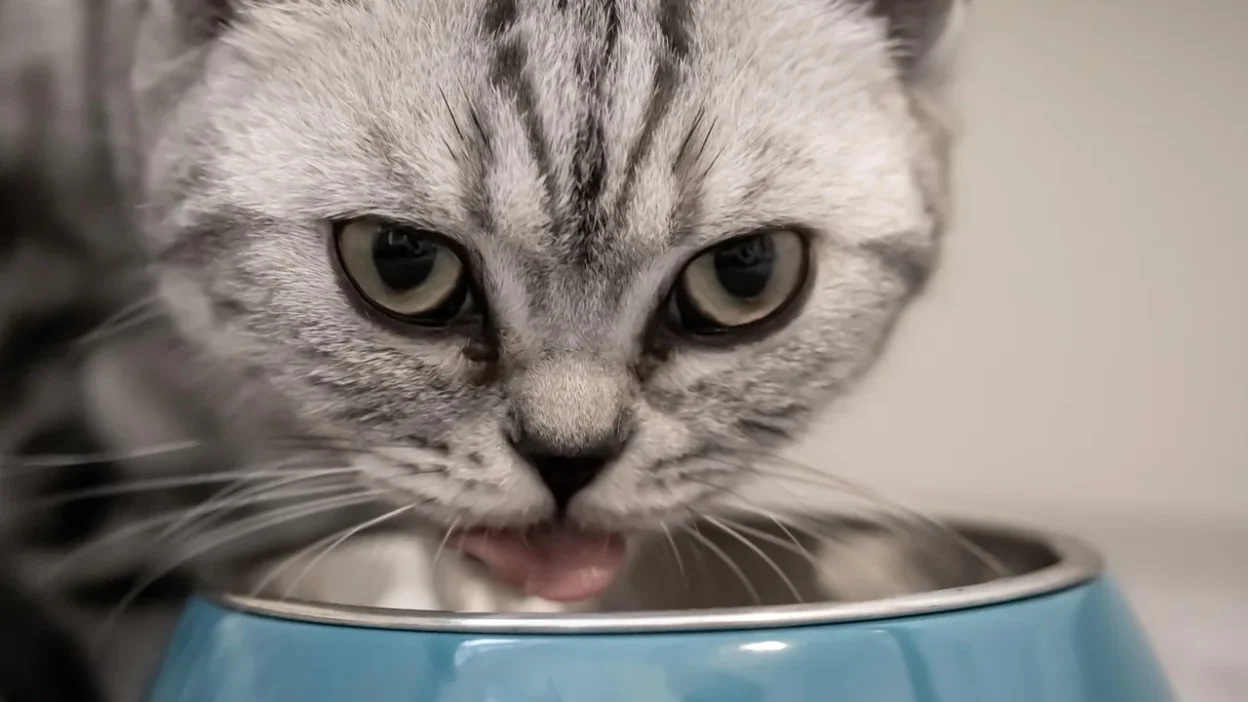
Does your cat’s feeding feel more like chaotic begging than a calm routine? If you’re juggling a pleading feline, a half-empty food bowl, and a nagging worry about whether you’re feeding too much or too little, you’re not alone. An inconsistent cat feeding routine and portioning plan is stressful for both of you—it can lead to weight issues, anxious meowing, and a disrupted household. But here’s the good news: building a consistent plan isn’t about restriction or complexity. It’s a simple, empowering framework that provides your cat with security, supports their long-term health, and gives you peace of mind. This guide will walk you through the exact tools and steps to create a sustainable cat meal routine, transforming feeding time from a source of guesswork into a pillar of your cat’s well-being.
The best way to build a consistent cat diet plan is to first calculate your cat’s precise daily calorie needs based on their ideal weight, then divide that amount into measured portions served at the same predictable times each day. This combination of controlled portioning and a reliable schedule reduces anxiety, prevents overfeeding and obesity, and supports your cat’s overall digestive and metabolic health. Consistency is the key.
The Toolkit: What You Need to Measure First
Before you can build a reliable cat feeding plan, you need three pieces of foundational data. Skipping this step is like trying to follow a recipe without measuring cups—you might get close, but consistency and health outcomes will suffer.
1. Determine Your Cat’s Ideal Weight
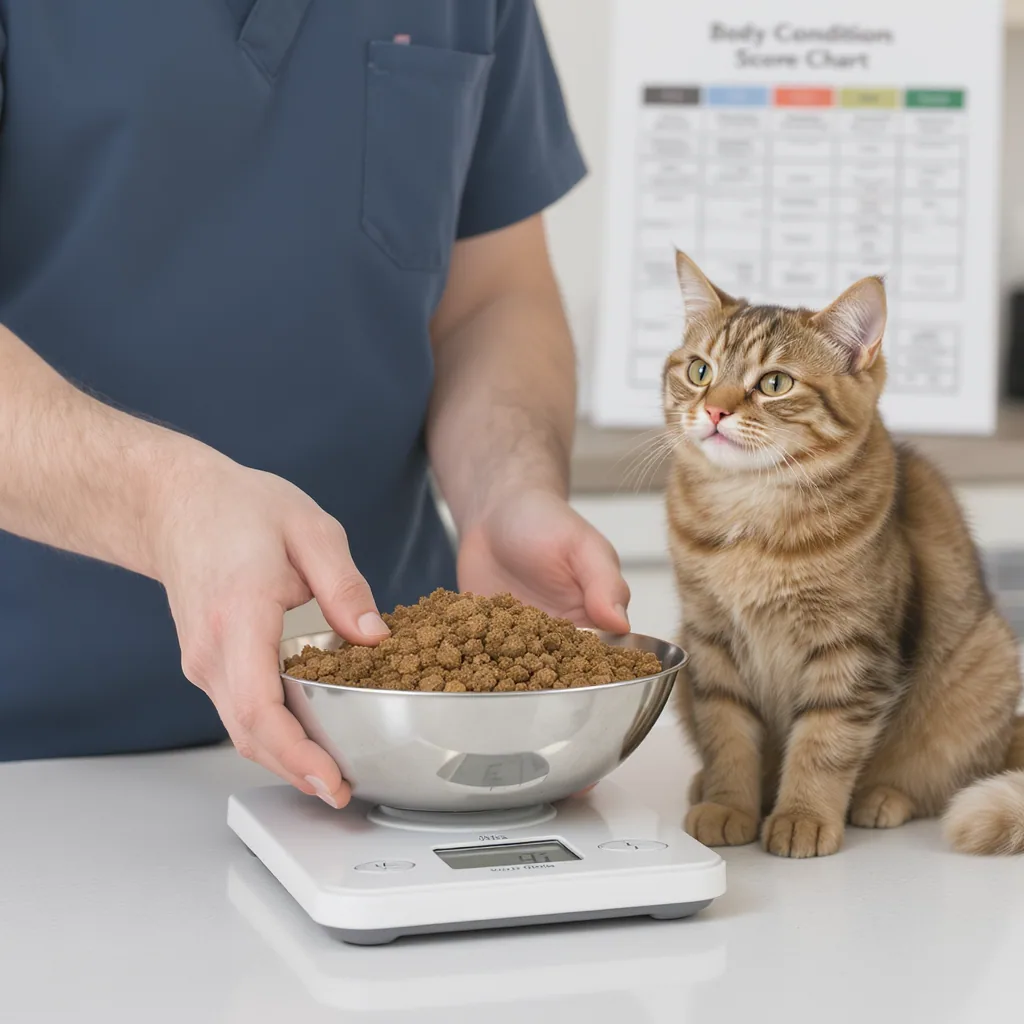
Your cat’s current weight isn’t always the best guide, especially if they are over or underweight. Use a feline Body Condition Score (BCS) chart, which you can find online or get from your vet. It visually assesses body fat based on rib visibility and waist definition. Your goal is to identify what your cat should weigh, which is your target for all calculations.
2. Calculate Daily Calorie Needs
Once you have an ideal weight in pounds or kilograms, you can calculate their Resting Energy Requirement (RER)—the calories needed for basic bodily functions at rest. A common formula is RER = 70 x (ideal body weight in kg)0.75. For a quick estimate, a typical, moderately active, spayed/neutered adult cat needs about 20 calories per pound of ideal body weight per day. This daily total is the cornerstone of your cat portion guide.
3. Decode Your Food’s Label
Pet food labels list calorie content, usually as “kcal/cup” for dry food or “kcal/can” for wet food. This number is non-negotiable for accurate portioning. A cup of one brand can have 300 calories, while another has 450—a massive difference. Always use the kcal information specific to your cat’s food to translate your daily calorie target into actual scoops or cans.
Choosing Your Cat’s Feeding Schedule
With your daily calorie total in hand, the next decision is how to deliver those calories throughout the day. Your choice here defines your cat’s daily rhythm and can impact their behavior and health.

Photo by Nam Quân Nguyễn on Pexels
Meal Feeding vs. Free-Feeding
Meal Feeding (Recommended): You provide specific, measured amounts at set times. This method offers the best portion control for cats, helps prevent obesity, allows you to monitor appetite, and creates a predictable routine. It’s the gold standard for most adult cats.
Free-Feeding: Food is available at all times. While convenient, it often leads to overeating and makes it impossible to track how much each cat eats in a multi-cat home. It can work for some cats with exceptional self-regulation, but it’s a risk for weight gain.
How Many Meals Per Day?
Within meal feeding, you have options. Most adult cats thrive on two meals, about 12 hours apart (e.g., 7 AM and 7 PM). This aligns well with many human schedules. Three or more meals can be beneficial for kittens, seniors, or cats with medical conditions like diabetes that benefit from smaller, more frequent feedings. The key is to divide your daily calorie total evenly among the meals you choose and stick to the times with remarkable consistency.
This consistency is what transforms a simple cat meal routine into a source of security for your pet. They learn to trust that food will come, which can significantly reduce anxious or attention-seeking behaviors.
Portioning in Practice: From Math to Bowl
This is where theory meets the food bowl. Let’s turn that daily calorie number into actionable steps.
Portioning Quick-Reference
- Use a Scale: A digital kitchen scale (measuring in grams) is far more accurate than a measuring cup for dry food and is essential for precise cat meal portions.
- Measure Every Meal: Never “eyeball” it. Pre-portion meals for the day or week into containers for grab-and-go ease.
- Account for Treats: Treats should not exceed 10% of your cat’s daily calories. Subtract treat calories from the daily total before measuring meals.
- Wet vs. Dry: If mixing, calculate the calorie contribution of each. For example, if half the daily calories come from wet food, measure that amount first, then subtract those calories from the dry food allowance.
- Check the Math: Use the kcal info on your food. Daily Calories ÷ kcal per cup/can = Total Cups/Cans per day. Then divide by number of meals.
For instance, if your cat needs 200 kcal daily and their wet food is 80 kcal per 3oz can: 200 ÷ 80 = 2.5 cans per day. For two meals, that’s 1.25 cans per meal. This level of precision is the heart of an effective cat portion guide.
Building the Routine: A Sample Day & Week
Let’s see how the toolkit and schedule come together for different felines. Imagine the peace of a cat who knows exactly when their next meal is coming, versus one who meows incessantly, unsure when food will appear. The former is the gift of a solid routine.
Sample Plan: Adult Indoor Cat (10 lbs ideal weight, ~200 kcal/day)
Food: Mixed diet. One 3oz can of wet food (80 kcal) + portion of dry food (120 kcal).
Schedule: Two meals per day (7:00 AM, 7:00 PM).
Daily Routine:
Morning: 1/2 can of wet food + 60 kcal worth of measured dry food.
Evening: 1/2 can of wet food + 60 kcal worth of measured dry food.
Weekly Check: Weigh your cat every week on the same scale, at the same time (e.g., Saturday morning before breakfast). Record the weight to track trends.
Sample Plan: Kitten (Growing, high energy needs)
Food: High-quality kitten formula.
Schedule: Three to four meals per day (e.g., 7 AM, 12 PM, 5 PM, 10 PM).
Key: Follow the feeding guidelines on the kitten food label or your vet’s advice, as calorie needs are high and change rapidly. Free-feeding is often appropriate for young kittens, transitioning to scheduled meals as they approach adulthood.
Common Feeding Pitfalls & How to Avoid Them
Even with the best intentions, it’s easy to slip up. Here’s how to sidestep common mistakes that can derail your cat diet consistency.
DO:
– Use a measuring tool for every single meal.
– Keep meal times consistent, even on weekends.
– Adjust portions if your cat’s activity level changes significantly (e.g., becomes mostly sedentary).
– Transition to new foods gradually over 7-10 days.
– Consult your vet before making major dietary changes for health reasons.
DON’T:
– Ignore the calorie content of treats or “just one more” handful of kibble.
– Switch between free-feeding and meal feeding randomly; it confuses your cat.
– Use the feeding guide on the bag as a one-size-fits-all rule; it’s a starting point that must be tailored.
– Assume a sudden change in appetite is just “picky eating”; it can be a sign of illness cat health monitoring.
Adjusting the Plan: Life Stages & Special Needs
Your cat’s nutritional requirements evolve. A plan that works for a young adult won’t suit a kitten or a senior. Here’s a general guide to life-stage adjustments, always with the caveat to seek veterinary guidance for specific health issues.
Kittens
They need frequent, calorie-dense meals to support explosive growth. Follow specific kitten feeding guidelines, which often recommend free-choice feeding or 3-4 meals until about 6 months old, then transitioning to an adult schedule.
Senior Cats (7+ years)
Metabolism slows, and muscle mass may decrease. They often need fewer calories to avoid weight gain, but may require more easily digestible protein. Dental issues might also necessitate a switch to wet food. Regular vet check-ups are crucial to tailor their feline feeding plan.
Cats with Medical Conditions
Cats with diabetes often require precisely timed meals that coincide with insulin. Cats with kidney disease may need a protein-modified, wet-food diet to support hydration. For these and other conditions like hyperthyroidism, your veterinarian is an essential partner in designing and adjusting the feeding routine.
Troubleshooting Your New Routine
What if your cat doesn’t cooperate with your beautifully planned schedule? Don’t worry—most hurdles have practical solutions.
My Cat Refuses Scheduled Meals
If your cat is used to free-feeding, they may hold out. Be patient. Offer the measured meal at the scheduled time for 20-30 minutes, then pick it up. Do not give in and offer more food later. They will learn to eat when food is presented. This process is key to establishing a cat feeding routine.
Managing a Multi-Cat Household
This is a common challenge. Solutions include feeding cats in separate rooms, using microchip-activated feeders that open only for the designated cat, or scheduling supervised meal times in different locations. This ensures each cat gets their specific portion without competition.
What If I Miss a Meal Time?
Life happens. If you’re late, feed your cat as soon as you can and try to get back on schedule for the next meal. Avoid doubling the portion to “make up” for the missed meal. Consistency is about the long-term pattern, not perfection every single day.
Tools & Tech to Support Consistency
While understanding and oversight are irreplaceable, certain products can help you execute your plan flawlessly.
Automatic Feeders: Excellent for impeccable timing, especially for early morning or midday meals. They dispense pre-measured portions. Choose a reliable model with battery backup.
Puzzle Feeders & Slow-Feed Bowls: These turn mealtime into a brain game, slowing down fast eaters and providing mental stimulation, which can contribute to satiety.
Microchip or RFID Feeders: The ultimate solution for multi-cat homes where diets differ, ensuring each cat can only access their own specific food.
Remember, these tools are aids. They support the routine you’ve designed based on your cat’s individual needs, not a replacement for the foundational work of calculating portions and choosing a schedule.
Your Path to a Calmer, Healthier Cat
Building a consistent cat feeding routine and portioning plan isn’t about imposing strict rules on your pet. It’s about providing the security and structure that cats instinctively crave. The effort you put into measuring, scheduling, and sticking to the plan pays dividends in a healthier weight, reduced anxiety, fewer behavioral issues, and the peace of mind that comes from knowing you’re supporting your cat’s well-being in a fundamental way.
The best time to start is now. Your decisive next step doesn’t require a complete overhaul. Start tonight by simply measuring your cat’s evening meal with precision—using a scale or proper cup—and serving it at a set time. That single act is the first brick in a foundation of lifelong health and harmony.
A consistent, healthy diet for your cat rests on four pillars: First, measure by determining your cat’s ideal weight and daily calorie needs using their specific food’s information. Second, choose a schedule of set meal times, typically 2-3 per day, and abandon free-feeding for better portion control. Third, portion accurately for every meal using a kitchen scale or measuring cup, accounting for all treats. Finally, stick with it, adjusting only for life stages or veterinary advice. The rewards—a cat at a healthy weight, less begging, and a stronger bond through predictable care—are well worth the initial effort.
Q: How many times a day should I feed my cat?
A: For most adult cats, feeding twice a day—roughly 12 hours apart—is ideal. Kittens, seniors, or cats with certain health issues may benefit from three or more smaller meals. The key is consistency in both timing and portion size at each feeding.
Q: Can I mix wet and dry food in my cat’s diet plan?
A: Yes, a mixed diet is common and can offer benefits like increased moisture intake from wet food and dental convenience from dry. The crucial step is to calculate the calorie contribution of each type and ensure the combined total meets your cat’s daily needs without exceeding it.
Q: My cat is always begging for food. What should I do?
A: Begging is often a learned behavior. Ensure you’re feeding adequate, measured portions at consistent times. Do not give in to begging with extra food or treats, as this reinforces the behavior. Engaging your cat with play or attention at non-feeding times can also help redirect their focus.
Q: How do I know if I’m feeding my cat the right amount?
A: The best indicators are your cat’s body condition and weight trend. You should be able to feel their ribs with a slight fat covering, and they should have a visible waist when viewed from above. Regular weekly weigh-ins are the most objective way to track this and adjust portions up or down as needed.
Q: Is it okay to free-feed dry food?
A: While convenient, free-feeding dry food often leads to overeating and weight gain, as it removes natural portion control. It can also make it difficult to monitor appetite, which is an important early sign of illness. For most cats, scheduled meal feeding is a healthier choice for long-term weight management and health monitoring.