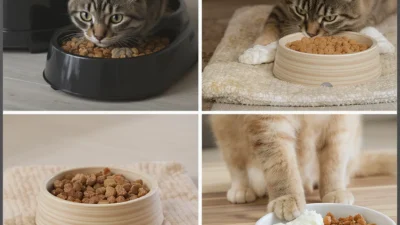
Picture your cat, sitting before a new puzzle feeder. They give it a tentative bat, a sniff, and then… they walk away, leaving the kibble untouched and you feeling a bit deflated. Or maybe the opposite happens: they become frantic, swatting the toy angrily across the floor in clear frustration. Both scenes point to the same common mistake—starting with the wrong puzzle feeder difficulty levels for cats. Choosing a level that’s too easy leads to instant boredom, while one that’s too hard can cause stress and a complete behavioral shutdown. The good news is that finding the perfect starting point isn’t a guessing game about your cat’s IQ; it’s a simple match of toy to temperament. This guide will walk you through a quick, observational diagnostic to bypass the trial-and-error and land right in that “Goldilocks zone” of challenge where your cat’s natural foraging instincts kick in with engaged, paws-on fun.
The right puzzle feeder difficulty for your cat isn’t about age or smarts—it’s about matching their unique personality and motivation. Start by observing their food drive, patience, and natural paw skills to avoid frustration and unlock their natural foraging instincts. A quick 3-point check of these traits will tell you whether to begin with a simple slide, a lift-the-flap, or a stationary rolling ball, setting the stage for successful enrichment and a smooth puzzle feeder progression.
Why Difficulty Matters: The Science of Feline Frustration & Boredom
Think of a puzzle feeder not as a test of intelligence, but as a tool to tap into your cat’s natural foraging instincts. The goal is to find the “Goldilocks zone” of challenge—not too easy, not too hard. Get it wrong, and you miss the enrichment benefits entirely.
If the puzzle is too simple, your cat solves it instantly. This leads to boredom; the toy becomes just another bowl, offering no mental stimulation. On the flip side, a puzzle that’s too complex can cause frustration and stress. A cat that can’t figure it out may simply give up, a behavior sometimes called “learned helplessness.” They walk away, associating the toy with failure instead of a rewarding challenge. The sweet spot is a task that requires focused effort but results in a predictable, achievable reward.
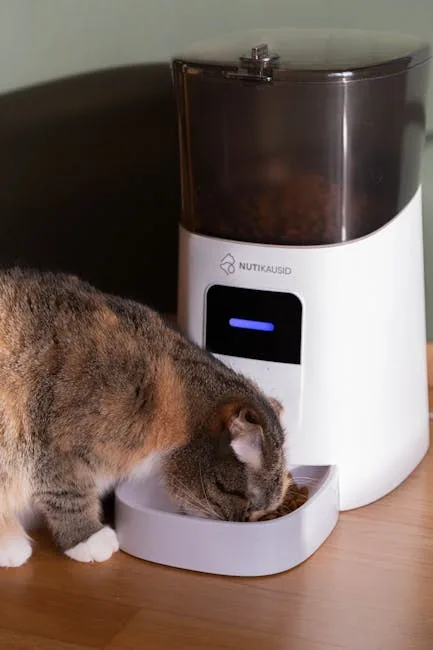
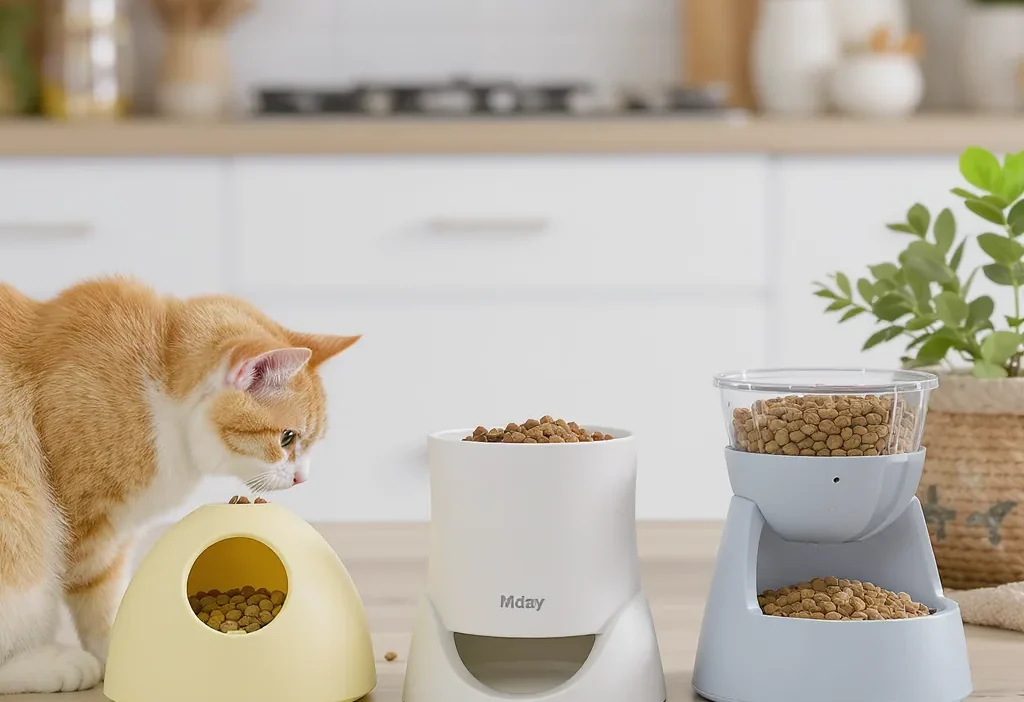
Photo by Merili M on Pexels
This concept of optimal challenge is key to all cat enrichment toy difficulty. It keeps your cat engaged, slows their eating, and provides a deep sense of satisfaction. Your job is to be a matchmaker, finding the puzzle that fits your cat’s current skills and temperament.
The 3-Point Cat Personality Diagnostic
Forget age or breed stereotypes. The right starting point for puzzle feeder progression hinges on your cat’s unique personality. Spend a few minutes observing them with these three traits in mind. (Note: This is an educational guide for toy selection, not a formal behavioral diagnosis.)
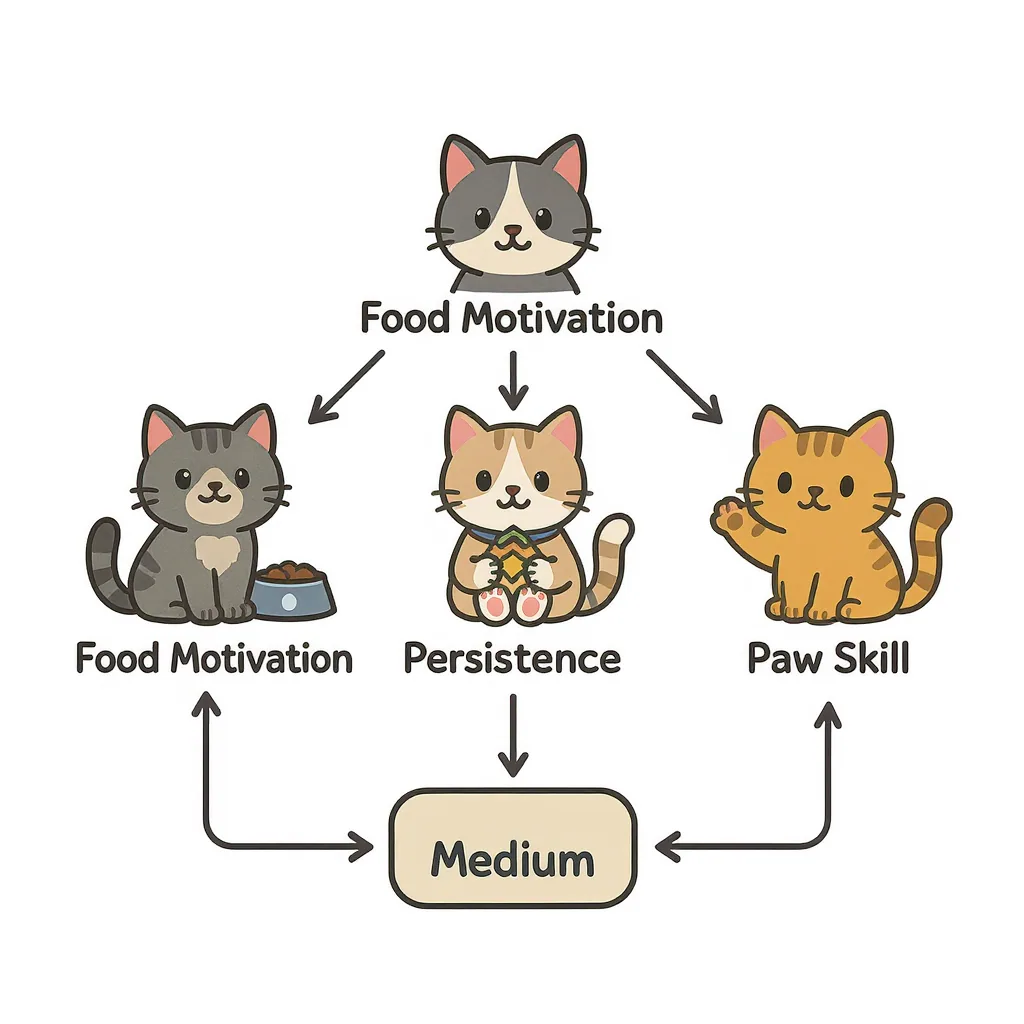
1. Food Motivation: Is Your Cat a Gourmand or a Grazer?
Watch them at mealtime. Does your cat come running at the sound of the kibble bag, eat enthusiastically, and lick the bowl clean? That’s high food drive. Or do they wander over eventually, take a few bites, and leave food for later? That’s a more casual or “grazer” mentality. High-drive cats are often more willing to work for food, making them better candidates for a slightly more challenging starter puzzle.
2. Persistence & Frustration Tolerance
How does your cat react to a minor obstacle? If you place a treat under a lightweight cup, do they bat at it persistently until it flips over, or do they try once or twice before looking to you for help? A cat that quickly gives up or gets visibly agitated (swatting angrily, vocalizing) has lower frustration tolerance and needs a very easy puzzle feeder for cats to build confidence.
3. Natural Paw Dexterity
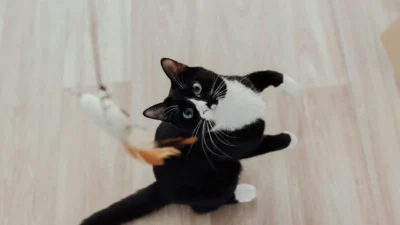
Some cats are all about the paws. They “make biscuits,” gently bat at toys, and scoop things. Others are “mouth” cats who prefer to pick things up directly. Observe your cat’s play style. Good paw dexterity means they can more easily learn to slide, lift, or bat pieces of a puzzle.
Matching Your Diagnosis to a Starting Level
Now, let’s translate your observations into a real starting point. Here are a few common profiles and the interactive feeder levels that typically suit them.
Profile A: The Casual Nibbler
This cat has low-to-moderate food motivation, lower persistence, and may not be particularly paw-oriented. The goal is instant, easy success. Start with a stationary, non-rolling puzzle where food is simply uncovered. Think of a simple slide puzzle (where a paw swipe reveals kibble in a trench) or a very basic “lift-the-flap” style feeder. The action should be obvious and the reward immediate to build positive association feline behavior.
Profile B: The Determined Hunter
High food drive, high persistence, and decent paw skills define this cat. They’re ready for a bit of a challenge from day one. A good starting point is a puzzle ball or a wobbling feeder that dispenses kibble as it’s rolled. It requires combined nose and paw action and introduces the concept of “work” for the food. You can also try a puzzle with multiple simple compartments that require different actions to open.
Profile C: The Easily Flustered
Even with high food drive, this cat gets frustrated fast. They need the clearest cause-and-effect possible. Avoid multi-step puzzles entirely. The best puzzle feeder for beginners here is often a simple “snuffle mat” or a wide, shallow tray with large, fixed obstacles they can easily nose around. Success is guaranteed, which builds the patience and confidence needed for the next stage.
Your First Session & Signs You Need to Adjust
Introduce the feeder when your cat is hungry, like before a meal. Sprinkle some treats or their regular kibble on top and in the obvious openings so they get rewarded immediately. Gently demonstrate the action once or twice, but let them figure it out. Success looks like focused engagement, purposeful pawing or nosing, and happy eating.
Watch for clear red flags that the cat puzzle toy difficulty is off. If your cat walks away after a few tries, sits and stares at it helplessly, or bats it aggressively and gives up, the puzzle is likely too hard. Downgrade immediately to something simpler. Conversely, if they solve it in under 30 seconds every time and show no further interest, it’s too easy. It’s time to consider choosing the right puzzle feeder at the next level.
Adjusting is a normal part of the puzzle feeder progression. The goal is steady, engaged effort. When your cat consistently solves their current puzzle quickly and eagerly, that’s your cue to explore a more advanced cat puzzle toy. This gradual climb keeps their mind active and turns mealtime into a rewarding game.
Find Their Starting Line
The perfect starting point for your cat’s puzzle feeder journey isn’t found in a product description—it’s discovered by watching them. Spend just five minutes with the 3-point diagnostic in mind. That quick observation is more valuable than any assumption about age or cleverness.
Your goal isn’t to create a puzzle genius overnight. It’s to spark engagement, satisfy their natural instincts, and make mealtime more fun. Start where they are, not where you think they should be, and you’ll both enjoy the rewarding path of progression ahead.
For a plain-language explanation, see Food Puzzles & Enrichment Feeding.