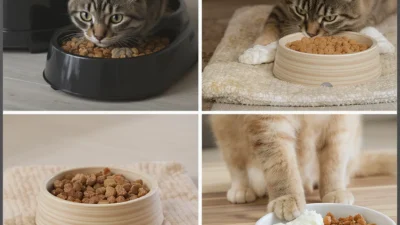
You’ve seen the videos: a clever cat deftly batting at a ball to release kibble, solving a puzzle with the focus of a feline Einstein. Inspired, you buy what’s touted as the “best cat food puzzle,” only to find your cat sniffing it once before walking away in utter disdain—or worse, batting the entire thing under the fridge in frustration. The common assumption is that any puzzle is good enrichment, but the wrong choice can backfire, turning a promising brain game into a source of stress for a cautious cat or a boring trinket for a clever one. Choosing the right tool isn’t about finding a universal winner; it’s about navigating two distinct paths. One builds simple confidence for beginners and seniors, while the other offers complex challenges for seasoned puzzle masters. This guide will help you match the feeder to your cat’s unique profile, ensuring enrichment feeding for cats becomes a source of joy, not a discarded toy.
Choosing the right cat puzzle feeder isn’t about finding the ‘best’ one overall, but matching the tool’s difficulty and design to your cat’s unique personality and experience level. Start by observing whether your cat is a curious explorer or a cautious observer, then pick a puzzle that builds confidence rather than frustration. The core decision lies between two paths: simple, low-stakes confidence builders for new or tentative cats, and complex, engaging brain busters for bold, food-motivated felines who need a real challenge.
Why the Right Puzzle Matters: Beyond Boredom Busting
It’s tempting to think any puzzle is a good puzzle. After all, you’re providing mental stimulation, right? The reality is more nuanced. A well-matched puzzle feeder can transform your cat’s daily routine, while a poorly chosen one can lead to disinterest or even stress. The goal isn’t just to make food harder to get; it’s to tap into your cat’s natural foraging instincts in a way that feels rewarding, not frustrating.
When you get it right, the benefits are tangible. Enrichment feeding for cats can slow down gobblers, reducing the risk of vomiting and aiding weight management. It provides a constructive outlet for energy, which can curb attention-seeking behaviors and nighttime zoomies. For anxious cats, the focused, predictable work of solving a puzzle can be calming, offering a sense of control and accomplishment.
Get it wrong, however, and you might see the opposite. A cat that’s too cautious or inexperienced for a complex puzzle may simply walk away, learning that puzzles are pointless. A highly food-motivated cat given a puzzle that’s too easy might solve it in seconds and be left wanting more, potentially leading to resource guarding or pestering you for extra meals. The key is alignment. The science of feline foraging behavior tells us that the challenge should be satisfying, not soul-crushing. This is the core of how to choose a cat puzzle feeder—it’s a tool for mental health, not just a toy.
The Two Paths: Simple Confidence vs. Complex Challenge
To cut through the overwhelming options, think of your choice as one of two distinct paths. Your cat’s personality and experience will determine which path to start on, and this framework will guide every subsequent decision.
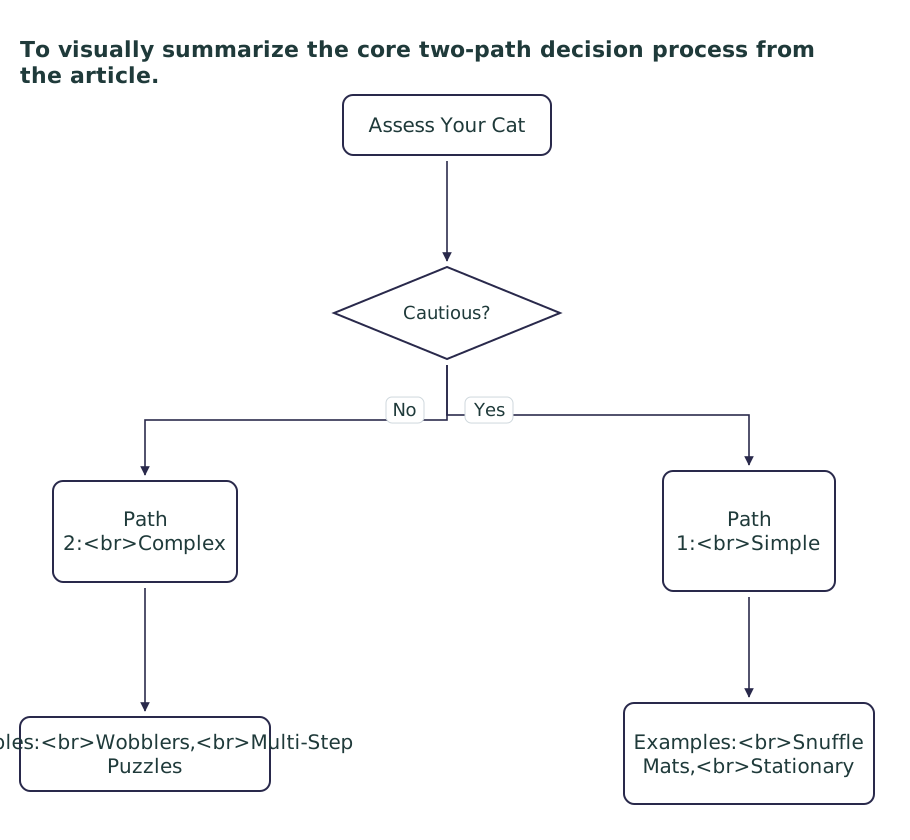
Path 1: Simple Confidence Builders
This path is for beginners, seniors, cautious cats, or any feline you’re introducing to the concept. The goal here is low-frustration success. Puzzles are stationary or require minimal manipulation, like pawing kibble out of a cup or nosing treats from a mat. The payoff is frequent and easy, building a positive association with the puzzle itself. Think of it as the “training wheels” stage of cat mental stimulation toys.
Path 2: Complex Brain Busters
This is for the curious explorers, the clever problem-solvers, or cats who have mastered simpler puzzles. The goal is extended engagement and a more significant cognitive workout. These puzzles are often movable (like balls or wobblers) or have multiple steps (like sliders and drawers). They require more persistence and physical interaction, turning mealtime into a true hunting simulation that can last 20 minutes or more.
| Decision Factor | Path 1: Simple Confidence Builders | Path 2: Complex Brain Busters |
|---|---|---|
| Ideal Cat Profile | Beginner, senior, cautious, low motivation, easily frustrated. | Experienced, curious, high-energy, food-driven, persistent. |
| Primary Goal | Build confidence & positive association; slow eating. | Provide deep mental challenge & extended engagement. |
| Difficulty Level | Low. Food is partially visible and easily accessible. | Medium to High. Requires batting, rolling, or sequential steps. |
| Time to Solve (Cat) | 5-10 minutes | 15-30+ minutes |
| Time Commitment (Owner) | Low (easy to fill, easy to clean). | Higher (may need assembly, more parts to clean). |
| Example Puzzle Types | Snuffle mats, stationary cups/mazes, lick mats, simple DIY. | Treat balls, wobblers, puzzle boards with sliders, multi-drawer feeders. |
Your Cat’s Profile: The Ultimate Deciding Filter
With the two paths in mind, your next step is diagnosis. Forget what you want your cat to be and observe what they are. This honest assessment is your most powerful tool for choosing the right cat enrichment feeding tools.
Personality: Curious Explorer or Cautious Observer?
Does your cat investigate every new item in the house with gusto, or do they assess from a distance for days? A curious cat who bats at kibble that rolls under the couch is a prime candidate for Path 2. A cautious cat who needs time to warm up to a new bed should start with Path 1 to avoid fear.
Experience & Skill Level
Has your cat ever used a puzzle? If the answer is no, Path 1 is your only starting point, regardless of personality. Success breeds interest. For a cat that quickly masters a stationary feeder, note their reaction: do they look for more? That’s your cue to explore Path 2.
Age & Agility
Senior cats or those with arthritis may lack the dexterity for complex puzzles. For them, the best cat food puzzle is one that doesn’t cause physical strain—think wide, shallow dishes or snuffle mats. Kittens, while energetic, also need simple starters to learn the concept without overwhelm.
Motivation: Food or Play?
A cat who lives for treats will work harder for a puzzle than a grazer. If your cat is play-motivated, choose puzzles that mimic hunting motions, like a wobbler that darts around. Understanding what drives your cat is key to choosing the right food puzzle they’ll actually use.
Puzzle Toolbox: From Stationary Cups to Wobbly Mazes
Now, let’s map specific tools to the paths and profiles. This isn’t about finding the single “best” product, but the right type for your situation.
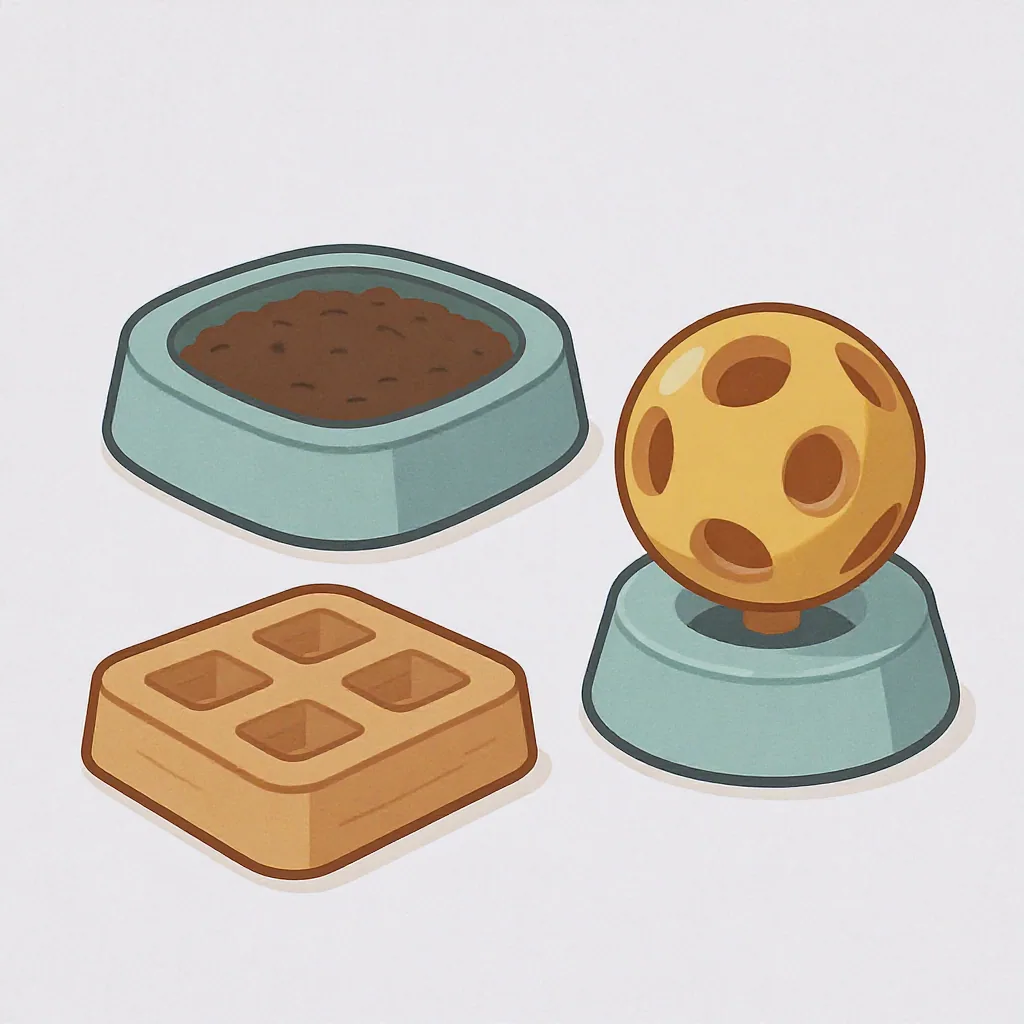
Stationary Feeders (Mostly Path 1)
These puzzles don’t move. A slow feeder puzzle for cats with a maze pattern forces them to eat around obstacles, perfect for speedy eaters. A snuffle mat hides kibble in fabric folds, encouraging natural sniffing and foraging behavior. These are excellent, low-pressure starters. Even a DIY cat food puzzle—like a muffin tin with tennis balls over the cups—falls into this category and is a fantastic, zero-cost way to test the waters.
Movable Feeders (The Bridge to Path 2)
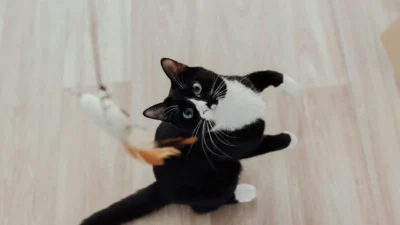
This is where action begins. Treat-dispensing balls roll unpredictably, rewarding batting with a kibble drop. Wobblers must be nudged to tip out food. These are ideal for the cat who has mastered stationary puzzles and needs more action. They satisfy the pounce-and-bat instinct and provide great physical exercise.
Multi-Step & Complex Puzzles (Solidly Path 2)
These are the brain teasers. Puzzles with drawers that must be slid open in sequence, or towers with levers and flaps, offer a sustained challenge. They’re perfect for the clever cat who seems to solve everything too fast. Research into feline cognitive abilities suggests these puzzles can provide significant mental stimulation, preventing boredom in intelligent, indoor cats. However, they require the most owner time to fill and clean.
Making the Choice & Ensuring Success
You’ve assessed your cat and explored the toolbox. Here’s how to finalize your choice and set everyone up for a win.
The Golden Rule: Start Simple
If you’re unsure between two puzzles, choose the easier one. It’s far better for your cat to succeed easily and build confidence than to fail and lose interest. You can always increase the difficulty later.
Introduction is Everything
Don’t just plop down a full puzzle at dinner time. For a new puzzle, especially on Path 2, “prime” it by making it incredibly easy at first. Leave compartments open or use only high-value treats in plain sight. Let your cat discover that this weird new object produces delicious things. Supervise but don’t help—let them figure it out.
Troubleshooting the Ignored Puzzle
If your cat walks away, don’t give up. Make it easier again. Try a more enticing treat. Sometimes, sitting nearby and gently batting the puzzle yourself can spark curiosity. Ensure the puzzle is in a quiet, safe location, not a high-traffic area.
Knowing When to Level Up
Your cue to move to a harder puzzle is when your cat solves the current one quickly and consistently, with no signs of frustration. The transition is your next step. Perhaps move from a stationary cup to a slow-moving ball, or from a simple wobbler to one with adjustable difficulty settings.
Your immediate action plan is this: tonight, observe your cat with fresh eyes. Tomorrow, pick a starting point based on the two paths—even if it’s a DIY muffin tin test. The journey to a more engaged, mentally stimulated cat begins with that single, informed choice.
Your Cat’s New Feeding Adventure Awaits
Choosing a puzzle feeder is no longer a shot in the dark. You now have a clear filter: the two paths of simple confidence and complex challenge. This framework empowers you to ignore the flashy marketing and make a choice centered on your cat’s unique mind and needs. Remember, the goal isn’t to find the puzzle that looks the most impressive on your shelf, but the one that creates a quiet moment of triumph for your cat, day after day.
This process turns a daily chore into a source of enrichment and connection. By matching the tool to your cat, you’re not just feeding them; you’re honoring their natural instincts and providing a deeper sense of well-being. Trust your observations, start where your cat is, not where you wish they were, and enjoy the journey of discovering just how clever your feline friend can be.
Choosing the right food puzzle hinges on a simple framework: assess your cat, pick a path, and select a tool.
1. Diagnose Your Cat: Observe their personality (cautious or curious?), experience (beginner or pro?), and motivation. Be honest.
2. Choose Your Path: Start with Path 1: Simple Confidence Builders for beginners, seniors, or cautious cats. Opt for Path 2: Complex Brain Busters for experienced, persistent, and highly food-motivated felines.
3. Select the Tool: Match puzzle types to the path—stationary mats/cups for Path 1, movable balls/wobblers and multi-step puzzles for Path 2.
4. Introduce with Patience: Make the first experience easy and rewarding. Observe without intervening, and increase difficulty only when your cat is consistently successful and engaged.
Q: Can puzzle feeders help with my cat’s weight management?
A: They can be a helpful tool. By slowing down eating and making your cat work for their food, puzzle feeders promote a feeling of fullness and can prevent rapid gulping. However, they are not a substitute for measured portion control. Always consult your vet for a tailored weight management plan.
Q: My cat just plays with the puzzle, not the food. What should I do?
A: This is common! First, ensure you’re using a high-value, smelly treat to capture their interest. You can also try “priming” the puzzle by making the food extremely easy to get at first. If they’re batting a ball around without eating, they might be treating it as a toy—this is still enrichment, but you may need to try a different puzzle style, like a stationary feeder, to connect the action with the food reward.
Q: Are food puzzles safe for kittens and senior cats?
A: Yes, with careful selection. For kittens, choose very simple, easy-to-clean puzzles (Path 1) to introduce the concept. For seniors, prioritize puzzles that don’t require complex dexterity or strenuous movement—wide, shallow dish-style puzzles or snuffle mats are excellent. Always supervise initial uses.
Q: How do I clean a food puzzle feeder?
A: Regular cleaning is crucial to prevent bacteria. Most plastic or rubber puzzles are top-rack dishwasher safe, but check manufacturer instructions. Fabric snuffle mats should be shaken out and washed regularly. For puzzles with many small parts, disassemble completely to clean food residue from crevices. A quick wipe-down after each use is a good habit.