The image is a cultural touchstone: a contented cat, purring softly, lapping cream from a saucer. It’s a scene painted in storybooks and animated in cartoons, symbolizing a simple, shared comfort between humans and their feline companions. This enduring myth makes the question “Is milk safe for cats?” feel almost silly to ask—of course it is, right? The surprising, science-backed truth is that this iconic treat is one of the most common digestive mistakes well-meaning owners make. For most adult cats, that saucer of cow’s milk is less a nostalgic delight and more a recipe for stomach upset, turning a gesture of love into an uncomfortable experience for your pet. Let’s compassionately separate the charming folklore from feline biology and understand why this practice persists and why it so often backfires.
For most adult cats, cow’s milk is not safe. After weaning, cats typically lose the ability to digest lactose, the sugar in milk, which can lead to vomiting, diarrhea, and stomach pain. Their primary drink should always be fresh water. While the need for milk is a persistent myth, a cat’s ideal hydration and nutrition come from a balanced commercial diet and clean water, not dairy.
The Milk Myth: Where Did It Come From?
The image is undeniably charming: a contented cat with its head bowed over a saucer of creamy milk. This scene is a staple of children’s books, classic cartoons, and pastoral paintings. It feels like a universal truth, a gesture of care as old as time. So, where did this powerful, yet misleading, idea originate?
Much of it stems from a bygone era. Before the age of commercial pet food, many cats lived on farms or in rural settings. Their “job” was pest control, and their “payment” was often what they could scavenge, including the rich, high-fat cream that rose to the top of fresh, unpasteurized milk. This cream is lower in lactose than the milk itself, making it slightly less problematic, and the cats’ active lifestyles may have mitigated some digestive issues. Over time, this practical reality blurred into a sentimental symbol of hospitality and comfort.
Today, the myth persists because it’s a simple, affectionate act. We see our cats as family and want to share the foods we find comforting. When a cat shows interest in the milk left in your cereal bowl, it’s easy to interpret that as a genuine craving, rather than curiosity for a novel, fatty substance. This human projection, reinforced by decades of media, is why so many well-meaning owners still wonder, can cats drink milk.
The Science of a Cat’s Stomach: Lactose Intolerance Explained
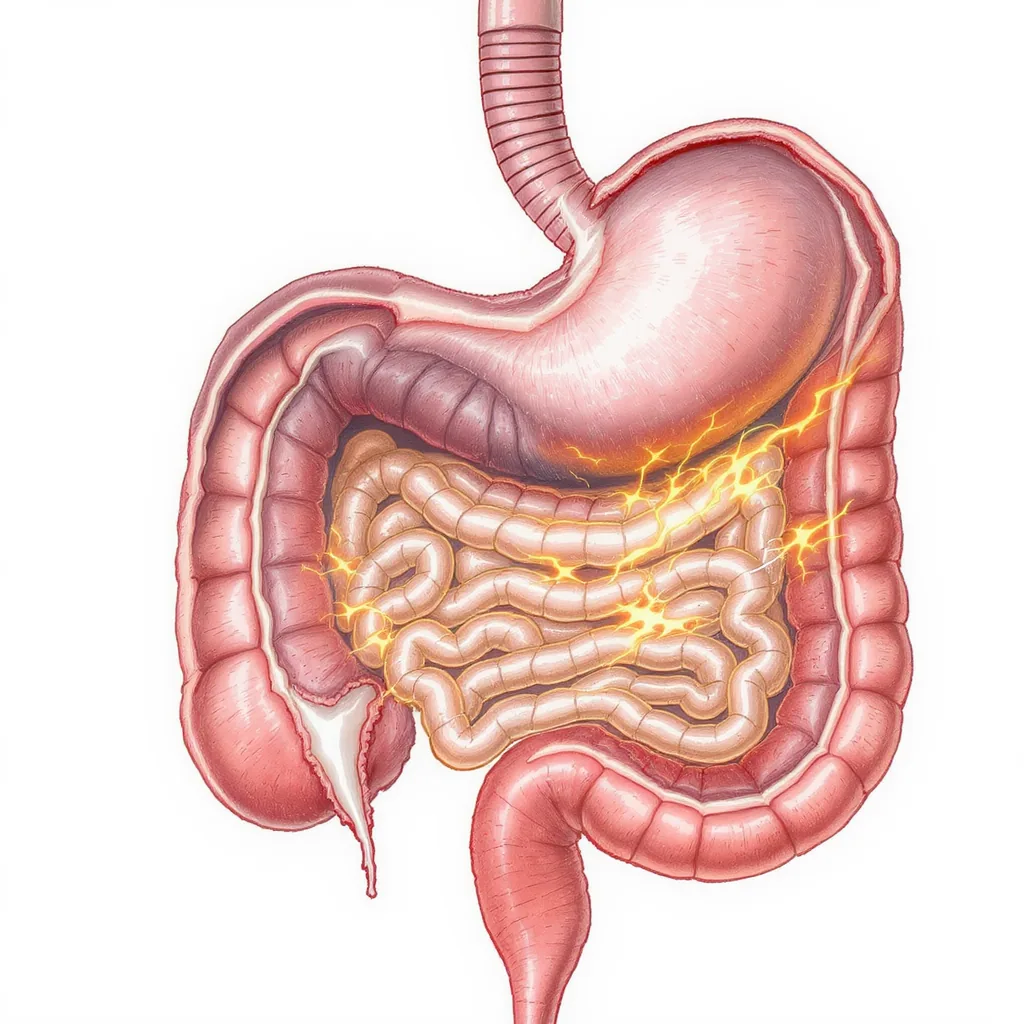
To understand why milk backfires, we need a quick lesson in feline biology. Like most mammals, kittens are born producing high levels of an enzyme called lactase. This enzyme’s sole job is to break down lactose, the primary sugar found in their mother’s milk. It’s a perfect, natural system designed for the nursing phase.
The problem begins at weaning. As a kitten transitions to solid food, its body naturally and significantly reduces lactase production. This is a normal part of development, not a defect. By the time a cat reaches adulthood, it typically produces very little of this enzyme. When an adult cat drinks cow’s milk, the lactose sugar passes through the stomach into the intestines largely undigested.
Here’s where the trouble starts. This undigested lactose draws extra water into the intestines through a process called osmosis, leading to loose stools or diarrhea. Simultaneously, the gut bacteria ferment the sugar, producing gas, bloating, and abdominal discomfort. This is the classic definition of lactose intolerance in cats, and it’s the core reason the question of cat milk safety is so crucial. It’s not an allergy; it’s a simple lack of the necessary digestive tool.
Signs Your Cat Shouldn’t Have Had That Milk
If your cat has managed to sneak a few laps of milk or was given some as a treat, watch for the following signs of digestive upset. Symptoms can appear within a few hours and range from mild to more pronounced.
Common Symptoms of Lactose Intolerance
- Gas and Bloating: You may notice audible gurgling from your cat’s stomach or an increase in flatulence.
- Loose Stools or Diarrhea: This is the most common sign, as the undigested lactose draws water into the colon.
- Vomiting: Some cats may vomit as their stomach rejects the unfamiliar, indigestible substance.
- Abdominal Discomfort: Your cat may seem restless, adopt a “hunched” posture, or react negatively to having its belly touched.
- Decreased Appetite: The stomach upset can lead to a temporary lack of interest in food.
For most cats, these symptoms are temporary and will pass once the milk moves through their system. However, persistent diarrhea or vomiting can lead to dehydration, which is serious. If symptoms are severe or last more than a day, it’s important to contact your veterinarian. This information is for educational purposes to help you understand milk and cats digestion; it is not a substitute for professional medical advice.
Safe Alternatives: What to Offer Instead
The good news is that you can still offer your cat special treats without the digestive drama. The key is choosing options designed for their biology.
Do’s: Safe and Enjoyable Options
- Fresh, Clean Water: This is non-negotiable. Always ensure your cat has access to plenty of fresh water. A cat water fountain can encourage drinking, which supports kidney and overall health.
- Commercial “Cat Milk”: These are specially formulated products found in pet stores. They are typically lactose-free milk for cats, where the lactose has been enzymatically broken down, making them safe for most cats to enjoy in small quantities as an occasional treat.
- Plain, Unseasoned Bone Broth: A small amount of cooled, low-sodium chicken or beef bone broth (with no onions or garlic) can be a hydrating and enticing treat. Always introduce new foods slowly.
Don’ts: What to Avoid
- Cow’s Milk, Goat’s Milk, or Cream: These all contain lactose and pose the same digestion risks.
- Most Other Human Dairy: Cheese and yogurt often contain less lactose than milk, but they are not risk-free and can be high in fat. They are not recommended as regular treats.
- Plant-Based Milks: Almond, oat, or soy milks are not suitable for cats. They can contain additives, sweeteners, or other ingredients that are harmful to felines.
The best foundation for your cat’s health remains a balanced, high-quality commercial cat food. When looking for alternatives to milk for cats, think of treats as just that—tiny, infrequent extras that don’t replace their core nutrition feline nutrition guidelines.
Loving Your Cat Means Knowing Better
Letting go of the milk saucer isn’t about depriving your cat of a pleasure; it’s about updating an old tradition with modern understanding. Our feline companions rely on us to interpret their needs through the lens of their biology, not our nostalgia. By choosing water as their primary drink and selecting safe, species-appropriate treats, you make a simple yet powerful choice for their long-term comfort and well-being. The most caring gesture isn’t following a cultural cliché—it’s providing what they truly need to thrive.