You’re standing in the pet store aisle, squinting at a bag of what promises to be a simple, healthy snack for your cat. The front label shouts “SINGLE-INGREDIENT!” in bold, cheerful letters, but when you flip it over, the tiny print reveals a list that’s anything but. It’s a moment of quiet frustration for any health-conscious cat owner who just wants to provide a pure, high-quality treat. The truth is, the term “single-ingredient cat treats” isn’t always as straightforward as it seems. Marketing can be clever, and pet food labeling has its own set of rules that can turn simplicity into a puzzle. This guide will decode the science behind the label, transforming your confusion into confidence so you can easily spot the truly simple ingredient cat treats from the cleverly disguised ones.
The best way to verify a single ingredient cat treat is to look for one named ingredient—like ‘chicken’ or ‘salmon’—on the label. Legally, ingredients are listed by weight, so the first item is the main component. Avoid products where the primary ingredient is followed by additives, preservatives, or vague terms like ‘natural flavors,’ as these compromise the simplicity and purity of the snack.
The Simple Science of a ‘Single-Ingredient’ Label
At its core, a true single-ingredient cat treat is exactly what it sounds like: one component. The ingredient list should contain a single, identifiable item, like “chicken,” “salmon,” or “green-lipped mussel.” This simplicity is the entire appeal, offering a pure protein snack without fillers, artificial additives, or unnecessary carbohydrates.
The science behind how this is verified lies in pet food labeling regulations. In the United States, the Association of American Feed Control Officials (AAFCO) provides guidelines that states follow. A key rule is that ingredients must be listed in descending order by their weight before processing. This matters because a fresh ingredient like chicken contains a lot of water weight. In a wet treat, that water keeps “chicken” first on the list. For a dry treat to have “chicken” as the sole ingredient, the water must be removed through a gentle process like freeze-drying, which preserves the protein while eliminating moisture. This is why you’ll often find that freeze-dried cat treats are the most straightforward path to a simple ingredient cat treat.
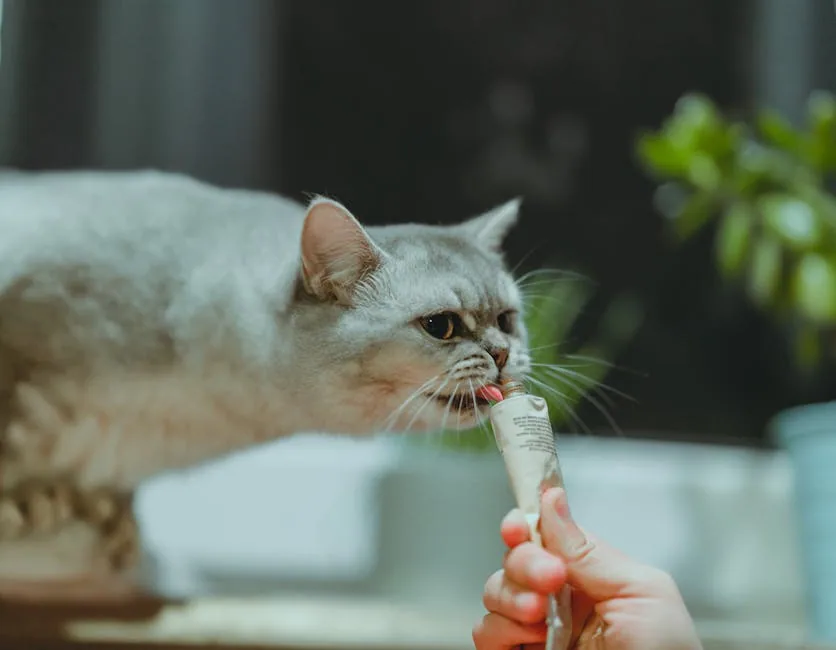
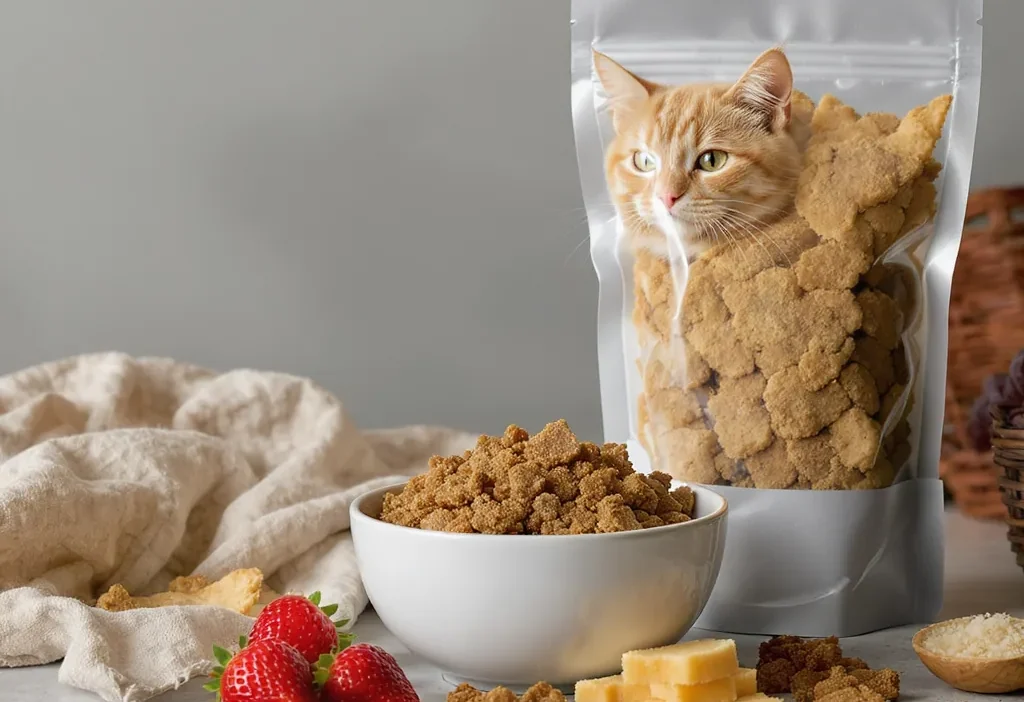
Photo by Anjie Qiu on Pexels
Your Label Decoder: What to Look For (and Look Out For)
Armed with the basic rule, you can now become a savvy label detective. Focus your investigation on the “Ingredients” panel, which is the legal truth of the product.
The Green Flags: Signs of Purity
A clean label for a single-ingredient product is beautifully brief. Look for:
- One named protein source: “Beef Liver,” “Duck,” “Sardines.”
- Clarity of part: “Chicken Breast” is more specific than just “Chicken,” which can include skin and fat.
- Minimal processing statement: Often, you’ll see a phrase like “Freeze-dried to preserve nutrients” which explains the method, not an added ingredient.
The Red Flags: Compromises in Disguise
Be wary of these common additions that turn a “simple” treat into something more complex:
- Vague terms: “Natural flavors” is a catch-all that means something was added for taste.
- Preservatives: Look for chemical names like BHA, BHT, or ethoxyquin, or even “mixed tocopherols” (a form of Vitamin E), which, while natural, is still an added ingredient.
- Processing aids: Ingredients like “citric acid” or “silica” may be used in manufacturing and must be listed, breaking the single-ingredient promise.
- The “with” rule: Per AAFCO guidelines, if a product is named “Cat Treat with Salmon,” the salmon only needs to comprise 3% of the product. Don’t confuse this with a true single-ingredient salmon treat.
Understanding these labeling nuances is crucial for making an informed choice pet food labeling. Remember, this information is for educational purposes; your veterinarian is the best source for specific dietary advice for your cat.
Beyond the First Word: The Hidden Complexity of Simplicity
Sometimes, a label seems simple but requires a second, more critical look. This is where your decoder skills get advanced. A major pitfall is the concept of “split ingredients.” A manufacturer might list “Peas, Pea Protein, Pea Fiber” separately. While each is technically from a pea, listing them as distinct items can manipulate the weight order, making a protein like “Chicken” appear first even if the total pea content is higher. For a pure single ingredient cat treat, this shouldn’t be an issue—there should be no other ingredients to split.
Also, consider the form of the protein. “Chicken” is different from “chicken meal.” Meal is a rendered, dried protein powder. While it’s a concentrated protein source, it’s a processed ingredient. If you’re seeking a treat made from a recognizable piece of meat, “chicken” (often freeze-dried) is the clearer choice. Your mental filter should be strict: If the bag’s marketing says “one ingredient,” the list must have exactly one line. Anything else, no matter how “natural” it sounds, is a compromise on that simplicity.
Making the Best Choice for Your Cat
Choosing the right treat goes beyond just reading the label correctly; it’s about context. First, consider your cat’s health. If they have a known sensitivity to chicken, a pure duck treat might be a perfect, simple alternative. Introducing novel proteins one at a time can help you monitor for any adverse reactions.
Second, remember the 10% rule: treats, even healthy ones, should typically make up no more than 10% of your cat’s total daily caloric intake. A pure protein cat treat is a better choice than a carb-heavy one, but moderation is still key. Finally, think about variety and purpose. Using different single-ingredient treats—like fish for skin and coat, or mussels for joint support—can add nutritional diversity to their snack time. The goal isn’t perfection, but empowered, conscious choice.
Your Next Step as a Label-Savvy Cat Parent
The journey from confusion to confidence ends with a simple, decisive action. On your next trip to the store or even right now in your pantry, pull out a bag of cat treats. Apply your decoder: find the ingredient list and scan for that one, perfect line. Let the label, not just the marketing on the front, guide your hand. Choosing transparent, simple food is a direct and powerful way to care for your cat, and you now have the fundamental tool to do it well.
Q: Are freeze-dried treats always single-ingredient?
A: Not always, but the freeze-drying process is ideal for preserving a single protein without additives. Always check the label, as some freeze-dried products may include flavors or preservatives.
Q: What’s the difference between ‘chicken’ and ‘chicken meal’ on a label?
A: “Chicken” refers to the clean flesh (often with moisture). “Chicken meal” is chicken that has been rendered and dried into a powder. For a simple, recognizable treat, “chicken” is typically the preferred, less-processed option.
Q: Can a treat be ‘single-ingredient’ if it has added vitamins?
A: No. By definition, a single-ingredient treat contains one item. Any added vitamins, minerals, or preservatives, even if beneficial, make it a multi-ingredient product. The label should reflect this.
Q: How much of a single-ingredient treat can I safely feed my cat?
A: A good general guideline is the 10% rule: treats should not exceed 10% of your cat’s total daily calories. Since calorie content varies, start with a small piece (e.g., one small freeze-dried morsel) as a training reward or snack and adjust based on your cat’s overall diet and weight goals. Consult your vet for personalized advice.