You’ve seen the bags on the shelf or the recommendations online: freeze-dried and dehydrated cat foods promise a healthier, more natural diet. But as a cat owner, you’re probably left wondering if these premium options are genuinely worth it for *your* cat, or if they’re just another pet food trend. The choice isn’t really about finding the single “best” food, but about figuring out when freeze-dried cat food makes sense for your specific situation—considering your cat’s health, your lifestyle, and your budget. This guide cuts through the confusion with a practical, no-jargon look at the real-world scenarios where these foods shine, and when a different option might be a better fit.
The best way to decide when to use freeze-dried cat food is to evaluate your cat’s needs and your own routine. Freeze-dried food is an excellent choice for cats who need a high-protein, low-carbohydrate diet, for pet parents seeking a convenient raw-food alternative, or as a high-value topper to encourage picky eaters. It makes less sense as a sole diet for cats with specific kidney issues requiring high moisture intake or for households on a very tight budget.
Freeze-Dried vs. Dehydrated: A Quick, Clear Breakdown
Before you can decide when to use these foods, you need to understand what you’re buying. While both are shelf-stable and considered “gently processed,” the methods are different, leading to distinct textures and preparation needs. This dehydrated cat food guide starts with a simple comparison.
Dehydrated food is typically air-dried at a low temperature for an extended period. This slowly removes most of the moisture, leaving behind a dense, often crumbly nugget or powder. Freeze-drying, on the other hand, uses a process called sublimation: the food is frozen solid, then placed in a vacuum where the ice turns directly into vapor without becoming liquid. This preserves the food’s original structure remarkably well.
The table below breaks down the key practical differences:
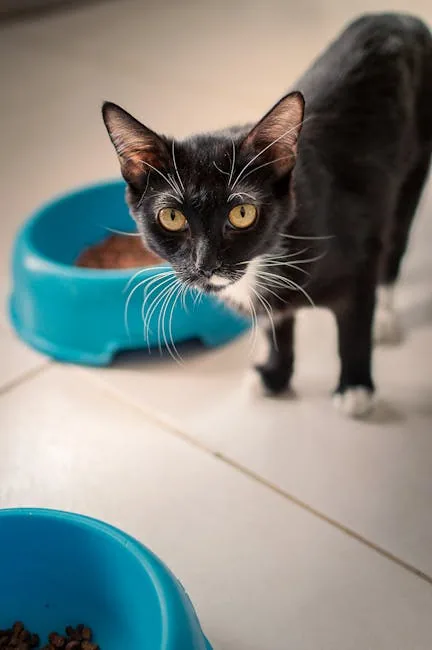
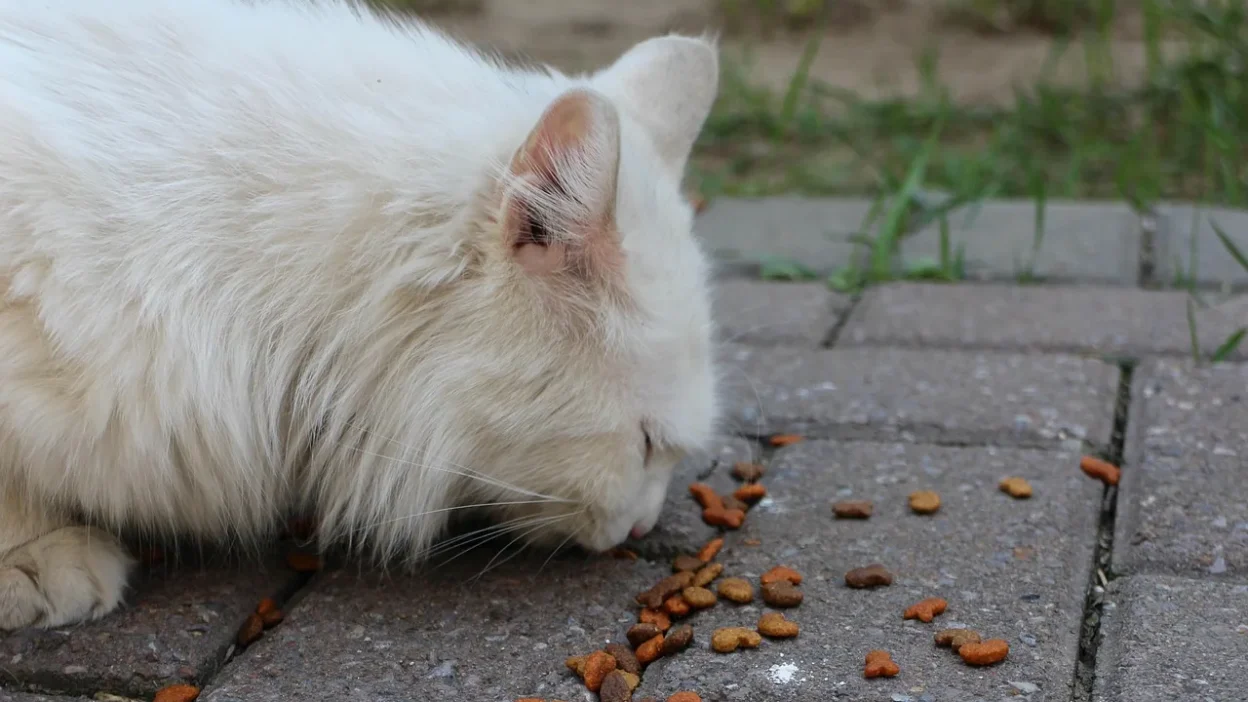
Photo by Eduardo López on Pexels
| Feature | Freeze-Dried | Dehydrated |
|---|---|---|
| Process | Sublimation (frozen, then vacuum-dried) | Low-heat air drying |
| Final Moisture % | ~2-5% (very low) | ~5-12% (low) |
| Preparation Needed | Must add water to rehydrate for a moist meal; can also be fed dry as a crunchy treat. | Must add water; not typically fed dry due to hardness. |
| Texture (Rehydrated) | Often closer to raw or cooked meat. | Can be softer, sometimes grainier. |
| Typical Cost | Higher (due to energy-intensive process) | Moderate to High |
| Best For | Raw-food alternative, high-value toppers, travel. | Nutrient-dense alternative to kibble, sensitive systems. |
The core takeaway for your freeze-dried cat food basics is this: both types require you to add water back in to make a complete, moisture-rich meal. Feeding them dry without rehydration can contribute to dehydration, which is a critical consideration for cats.
When Freeze-Dried or Dehydrated Food Shines (The Green Lights)
These options aren’t a universal solution, but they excel in specific situations. Here’s when reaching for a bag of freeze-dried or dehydrated food makes excellent sense.
For the Raw-Curious or Safety-Conscious Owner
If you’re interested in the benefits of a raw diet but are concerned about bacterial risks or the hassle of handling frozen meat, these are fantastic bridges. Freeze-dried foods, in particular, retain much of the raw food’s nutritional profile while the process eliminates pathogens, offering convenience and peace of mind food safety.
For the Picky Eater or Food Topper Use
The intense aroma and flavor of these foods are often irresistible to finicky cats. Crumbling a freeze-dried nugget over your cat’s regular wet food can be the magic trick that gets them eating. This is one of the most common and effective best uses for freeze-dried cat food.
For Cats Needing a High-Protein, Low-Carb Diet
Quality freeze-dried and dehydrated foods are typically meat-focused and contain minimal carbohydrates, making them a suitable option for cats who thrive on a high-protein diet, such as those managing diabetes or obesity (under veterinary guidance, of course).
For Travel, Convenience, or Backup Meals
Their shelf-stable nature is a huge plus. You can easily pack them for trips without a cooler, or keep a bag in the pantry as a reliable backup. They’re also simple for pet sitters to prepare—just add water.
Important Note: This information is educational and not a substitute for professional veterinary diagnosis or dietary advice.
When to Proceed with Caution (The Yellow and Red Lights)
Understanding the potential drawbacks is just as important as knowing the benefits. Here are scenarios where you might pause or choose a different path.
For Cats with Kidney Issues or Low Water Intake
This is the most critical caution. Cats are naturally low-thirst animals and get most of their moisture from food. If you choose to feed a rehydrated diet, you must add the recommended amount of water. Even then, some veterinarians may recommend against it for cats with advanced kidney disease, where maximizing moisture intake via wet food is non-negotiable.
For Households on a Strict Budget
These are premium products. Feeding them as a sole diet can be significantly more expensive than kibble or even many canned foods. It’s a key part of the dehydrated cat food pros and cons to weigh. Using them as a part-time topper or treat is a more budget-friendly approach.
For Owners Unwilling to Rehydrate
If adding water for every meal feels like a deal-breaking extra step, these aren’t for you. Feeding them consistently dry can lead to chronic dehydration and urinary tract issues.
For Dental Health (A Common Misconception)
While the crunchy dry form can provide some abrasive action, it’s not a substitute for proper dental care. Don’t choose these primarily for dental benefits; choose them for their nutritional profile.
Making Your Decision: A Simple Filter
Cut through the noise by asking yourself these four straightforward questions. Your answers will point you directly to whether freeze-dried cat food when to use is a “yes,” “no,” or “sometimes” for your home.
1. What’s my primary goal? Is it to find a convenient raw alternative, entice a picky eater, or manage a health condition? Your goal dictates the priority.
2. What’s my cat’s hydration status? Does your cat drink plenty of water and/or eat wet food already? If not, are you 100% committed to rehydrating every meal?
3. What’s my food budget? Can you comfortably afford this as a staple, or would it work better as a supplement?
4. How much prep am I willing to do? Does measuring and adding water fit into your daily routine, or is it a barrier?
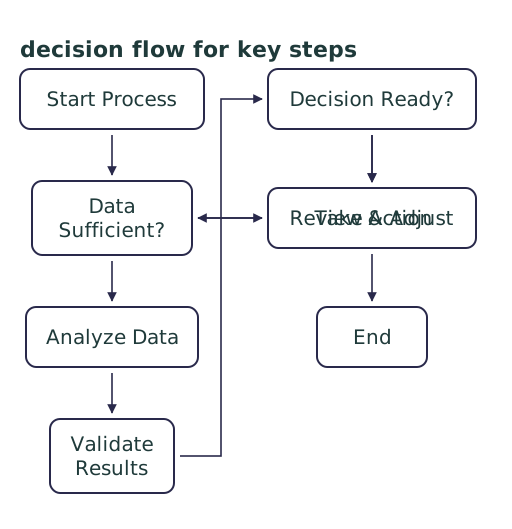
Map your answers back to the “Green Light” scenarios. If your goal is palatability and your budget allows for a topper, it’s a great fit. If your cat has kidney issues and you’re unsure about moisture, it’s a clear signal to consult your vet first. This filter turns a complex choice into a manageable one.
Finding the Right Fit for Your Feline
The choice between freeze-dried, dehydrated, or other foods isn’t about finding the single “best” option in a vacuum. It’s about matching a product’s strengths to your cat’s specific needs and your own lifestyle. There’s no one-size-fits-all answer, and that’s okay.
Your research here is the most important step. Whether you decide to use these foods full-time, as a special topper, or not at all, you’re making an informed decision based on practical reality, not just marketing. Trust the filter questions you’ve just worked through—they’ll guide you to the right choice for your unique companion.