You’re standing in the pet food aisle, the clock ticking, and your cat’s expectant face flashing in your mind. On one side, the colorful bags of kibble promise convenience and dental health. On the other, rows of cans offer hydration and palatability. And then there’s the freezer section, with its boutique raw-style options whispering promises of a wild, ancestral diet. The choice between dry, wet, and raw-style cat food feels overwhelming because it’s not just about nutrition—it’s about your budget, your schedule, your storage space, and your cat’s very specific quirks. This guide isn’t about declaring one universal “best” food. Instead, it’s a practical, constraints-first framework to help you find the *best fit* for the unique intersection of your cat’s health needs and the realities of your daily life.
Choosing between dry, wet, and raw-style cat food isn’t about finding a universal ‘best’ but the best practical fit for your cat’s health needs, your budget, and your daily routine. For many cats, a combination works well, but the right balance depends on your specific constraints like a tight grocery budget, a busy work schedule, or a cat with a medical need for extra hydration.
Beyond the Bowl: What Each Food Type Really Delivers
Before we weigh your constraints, let’s define the players. Understanding the core, practical differences between dry, wet, and raw-style cat food sets the stage for a smarter choice. This isn’t about which is “better” in a vacuum, but what each format inherently offers—and asks of you.

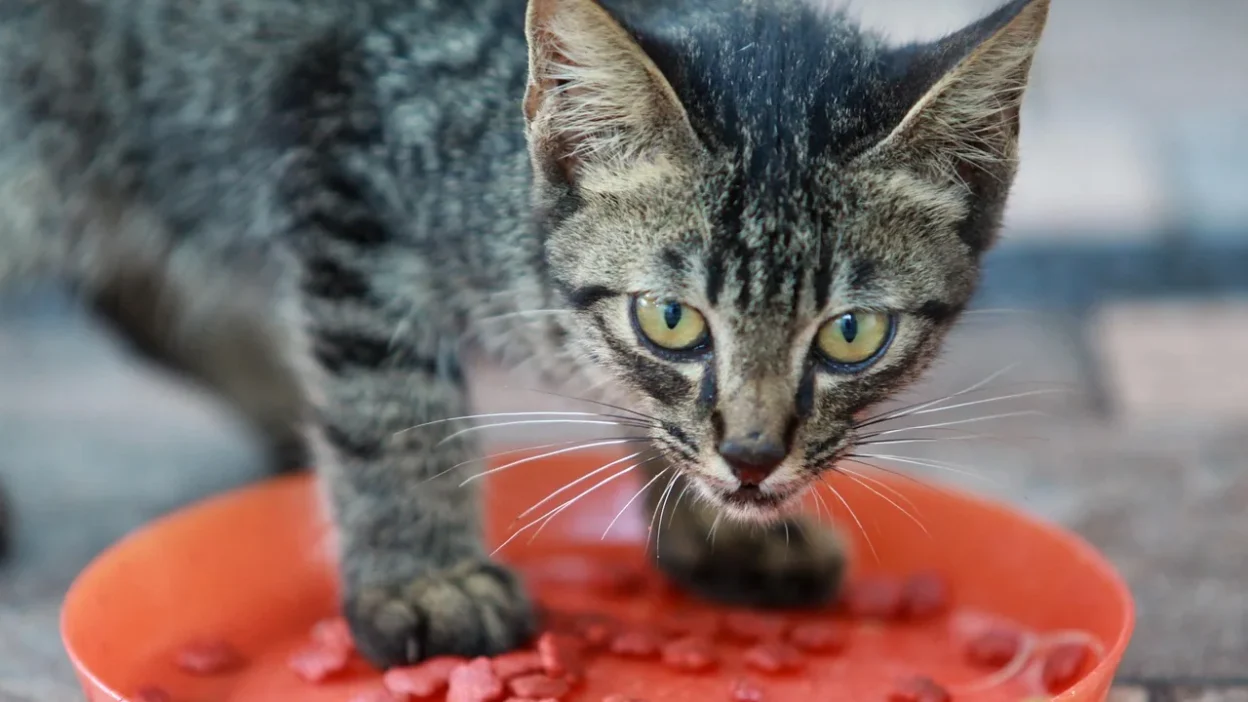
Photo by Muhammad Khawar Nazir on Pexels
Dry Food (Kibble)
The classic. Kibble is cooked under high heat and pressure, resulting in a low-moisture (typically around 10%), shelf-stable product. Its primary benefits are extreme convenience and cost-effectiveness. You can leave it out for free-feeding, it requires no refrigeration, and it’s often the most budget-friendly option per calorie. The key consideration is its low moisture content, which means cats eating only kibble must drink sufficient water on their own to stay hydrated.
Wet Food (Canned, Pouches, Trays)
This category includes any commercially prepared food with high moisture content (usually 75-85%). It’s cooked and sealed for preservation. The standout benefit is hydration—it helps support kidney and urinary tract health by significantly increasing your cat’s water intake. It’s often more palatable and can be higher in protein and lower in carbohydrates than dry food. The trade-offs are a higher cost per meal, the need for refrigeration after opening, and a shorter shelf life.
Raw-Style Food (Commercial)
Important clarification: We’re discussing commercial raw-style diets, which are distinct from DIY raw. These are frozen or freeze-dried formulas made from raw meat, organs, and bones, often with added vitamins and minerals. They are typically High-Pressure Processed (HPP) to reduce pathogens. Proponents cite benefits like highly digestible protein and minimal processing. However, they are the most expensive option, require freezer space and thawing time, and demand strict handling hygiene to prevent cross-contamination food safety protocols.
| Aspect | Dry Food | Wet Food | Raw-Style (Commercial) |
|---|---|---|---|
| Typical Cost (per meal) | Lowest | Moderate to High | Highest |
| Moisture Content | ~10% | ~75-85% | ~70-78% (varies) |
| Storage & Prep | Room temp, no prep | Refrigerate after opening | Freeze, thaw before serving |
| Shelf Life | Long (months) | Short (days after opening) | Long frozen, short thawed |
| Primary Benefit | Convenience & Cost | Hydration & Palatability | Minimally Processed Ingredients |
| Key Consideration | Low moisture; monitor water intake | Higher cost; perishable | Costly; requires handling care |
Your Cat’s Non-Negotiables: Health & Preference First
Your cat isn’t a generic “cat.” Their individual health status and personality are the first and most important filter in this wet vs dry cat food guide. Some conditions make one format strongly preferable, or even necessary.
When to Prioritize Moisture (Wet or Raw-Style)
If your cat has a history of urinary crystals, chronic kidney disease (CKD), or is prone to dehydration, maximizing water intake through food is crucial. A diet of solely dry food may not provide enough moisture, even with a water fountain. In these cases, wet or high-moisture raw-style foods should form the bulk of their diet.
When Carbohydrate Content Matters
Cats with diabetes often benefit from a low-carbohydrate diet to help manage blood sugar levels. Dry food, by its nature, often contains more carbohydrates as binding agents. Wet and raw-style foods are typically lower in carbs, but it’s essential to check the guaranteed analysis on any label guaranteed analysis.
The Dental Health Myth
A common pitfall is choosing dry food for dental health. While some kibbles are designed to reduce tartar, the effect is limited. Dry food does not “brush” your cat’s teeth. Serious dental health requires dedicated dental care, regardless of diet.
The Picky Eater & Food Sensitivities
Some cats simply turn their nose up at certain textures or temperatures. Others may have allergies or sensitivities to common ingredients in processed foods. A novel protein source in a wet or raw-style diet might be the solution, but always introduce new foods gradually.
Note: This information is for educational purposes and is not a substitute for professional veterinary diagnosis and advice. Always consult your vet about your cat’s specific health needs.
Your Life’s Realities: Budget, Time, and Tolerance
Now, layer in your world. The “best” food on paper fails if it doesn’t fit your actual life. Let’s walk through common constraints.
The Budget-Conscious Household
If finances are tight, feeding a premium raw-style diet exclusively may be unsustainable. A practical approach might be a high-quality dry food as a base, with wet food used as a periodic hydrating supplement or topper. This balances cost with some hydration benefits.
The Time-Poor or Irregular Schedule
For those with unpredictable hours or frequent travel, the convenience of dry food is a major asset. Automated feeders can manage portions, and the food won’t spoil. If you want to include wet food, consider a single small meal when you’re home, like breakfast or dinner.
Consider the new parent who used to meticulously thaw raw meals. With a crying baby and sleepless nights, remembering to move tomorrow’s portion from freezer to fridge became a frequent fail, leading to stress, wasted food, and a frustrated cat. For this season of life, a switch to a simpler routine was the right choice for both human and feline well-being.
Space & Squeamishness
A small apartment with a freezer already packed with frozen peas leaves little room for a month’s supply of raw patties. Similarly, if handling raw meat makes you uncomfortable, the risk of improper handling or cross-contamination increases. It’s perfectly okay to choose a format you can manage confidently and safely.
The Multi-Cat Dynamic
Feeding multiple cats with different preferences or dietary needs adds complexity. One might need a prescription wet food, while another is a kibble addict. This often makes a hybrid, meal-time feeding strategy (rather than free-feeding) the most practical path forward.
Common Pitfalls in Choosing Cat Food
Even with the best intentions, it’s easy to stumble. Here are key mistakes to sidestep on your wet vs dry cat food guide journey.
- Switching Foods Too Abruptly: A sudden change can cause digestive upset. Always transition over 7-10 days by slowly mixing the new food with the old.
- Overestimating Dry Food’s Dental Power: As mentioned, don’t rely on kibble for dental care. Plan for regular tooth brushing or veterinary dental check-ups.
- Assuming All Raw-Style is Complete: Not all commercial raw diets are formulated to be nutritionally complete and balanced. Look for an AAFCO statement on the label.
- Forgetting the Water Bowl with Kibble: Cats on dry food must drink more. Encourage hydration with a clean, wide water bowl away from their food, or better yet, a cat water fountain.
- Letting Price Be the Sole Decider: The cheapest food may lack quality ingredients, while the most expensive may not suit your cat. Balance cost with your cat’s health needs.
Quick Fixes for Common Mistakes
- Transition Slowly: Start with 25% new food mixed with 75% old, and increase the ratio every 2-3 days.
- Boost Hydration: Add a spoonful of water or low-sodium broth to wet or dry food.
- Use Puzzle Feeders: For dry food, use puzzle toys to slow eating and provide mental stimulation.
- Read the Fine Print: Always check for the AAFCO nutritional adequacy statement, regardless of the food type.
Making It Work: Hybrid Feeding Strategies
For most cats and owners, the winning strategy isn’t a single format, but a thoughtful combination. Here’s how to build a hybrid plan that works.
For the Budget-Conscious Mixer
Use a measured amount of dry food as the daily calorie base for convenience and cost. Then, add a small portion of wet food (as little as a tablespoon) as a daily “hydration topper.” This introduces beneficial moisture without breaking the bank.
For the Time-Poor Hydration Seeker
Feed a scheduled wet food meal in the morning or evening when you’re present. Leave out a controlled portion of dry food in an automated feeder or puzzle toy for the rest of the day. This ensures they get wet food’s benefits without you needing to be home for multiple meals.
Using Raw-Style as a Supplement
You don’t need to go “all in” on raw. Use freeze-dried raw nuggets as high-value training treats or crumble them as a flavor enhancer over a wet or dry food meal. This is a great way to introduce the raw-style cat food basics without a full dietary overhaul.
The goal is to create a sustainable routine. Maybe it’s wet food for breakfast, dry food via puzzle feeder during the day, and a mix for dinner. Write it down, try it for a few weeks, and observe your cat’s energy, coat, and litter box output. Then, adjust.
Finding Your Good-Enough Fit
The search for the perfect cat food can lead to analysis paralysis. Remember, the goal isn’t a mythical “best” diet, but the “best fit” that you can consistently provide within the real boundaries of your life and your cat’s health. A good plan you stick to is far better than a perfect plan that becomes a source of stress and is eventually abandoned.
Start small. Pick one adjustment from this guide—adding a wet food topper, introducing a puzzle feeder, or simply monitoring your cat’s water intake more closely. Observe how your cat responds and how it feels in your daily flow. This choice isn’t set in stone; you can always adapt as your cat ages or your circumstances change.
Empowerment here means letting go of the pressure to be perfect and embracing the practice of being good enough. Your thoughtful, constraint-aware approach is what truly makes you a great cat owner.
Choosing between dry vs wet vs raw-style cat food is a practical puzzle. The solution lies in a two-step framework: First, assess your cat’s non-negotiable health needs and preferences (hydration, medical conditions, pickiness). Second, honestly overlay your personal constraints—budget, time, storage space, and your own comfort level. There is no single winner; the right choice is the one that balances your cat’s well-being with your ability to sustain the routine. For most, a hybrid strategy (like using wet food for hydration and dry for convenience) offers the best real-world balance. Focus on making a sustainable improvement, not a perfect choice.
Q: Can I feed my cat only dry food?
A: You can, but it requires diligence. Cats on a dry-only diet must drink ample water on their own to compensate for the low moisture in their food. It’s crucial to encourage drinking with multiple water sources or a fountain and to monitor for signs of dehydration or urinary issues. Many cats benefit from having at least some wet food in their diet for hydration.
Q: Is raw-style food safer than homemade raw?
A: Generally, yes. Commercial raw-style diets that undergo High-Pressure Processing (HPP) are designed to reduce harmful bacteria like Salmonella and E. coli. Homemade raw diets carry a higher risk of nutritional imbalance and pathogen exposure if not formulated and handled with extreme care. If interested in raw feeding, starting with a commercial, balanced product is the safer path.
Q: How do I transition my cat to a new food type?
A: Always transition slowly over 7-10 days to avoid stomach upset. Start by mixing about 25% of the new food with 75% of their current food. Every 2-3 days, increase the proportion of new food while decreasing the old. If your cat refuses the new food or shows signs of digestive distress, slow the transition down further.
Q: My cat is addicted to one flavor/brand. What can I do?
A: This is common. The key is patience. Try the slow transition method above, but with an even smaller starting ratio (10% new, 90% old). You can also try warming wet food slightly to enhance aroma, or using a “topper” of the preferred food over the new food to encourage tasting. Never starve your cat into submission; consult your vet if the refusal is severe.
Q: Is it okay to mix dry and wet food in the same bowl?
A: Yes, it’s perfectly fine to