That trusty measuring cup in your kitchen drawer might be the very reason your cat’s weight is creeping in the wrong direction. It seems like the obvious, convenient choice for portioning kibble, but the reality is that volume-based measuring is inherently flawed for dry food. This isn’t just about being picky—it’s about choosing between two different approaches to your cat’s care: one of casual convenience and another of precision health. The core trade-off is simple: speed versus unwavering accuracy. Understanding the reliability of a cup versus a gram scale for cat food is the first step in taking true control of your pet’s nutrition and well-being.
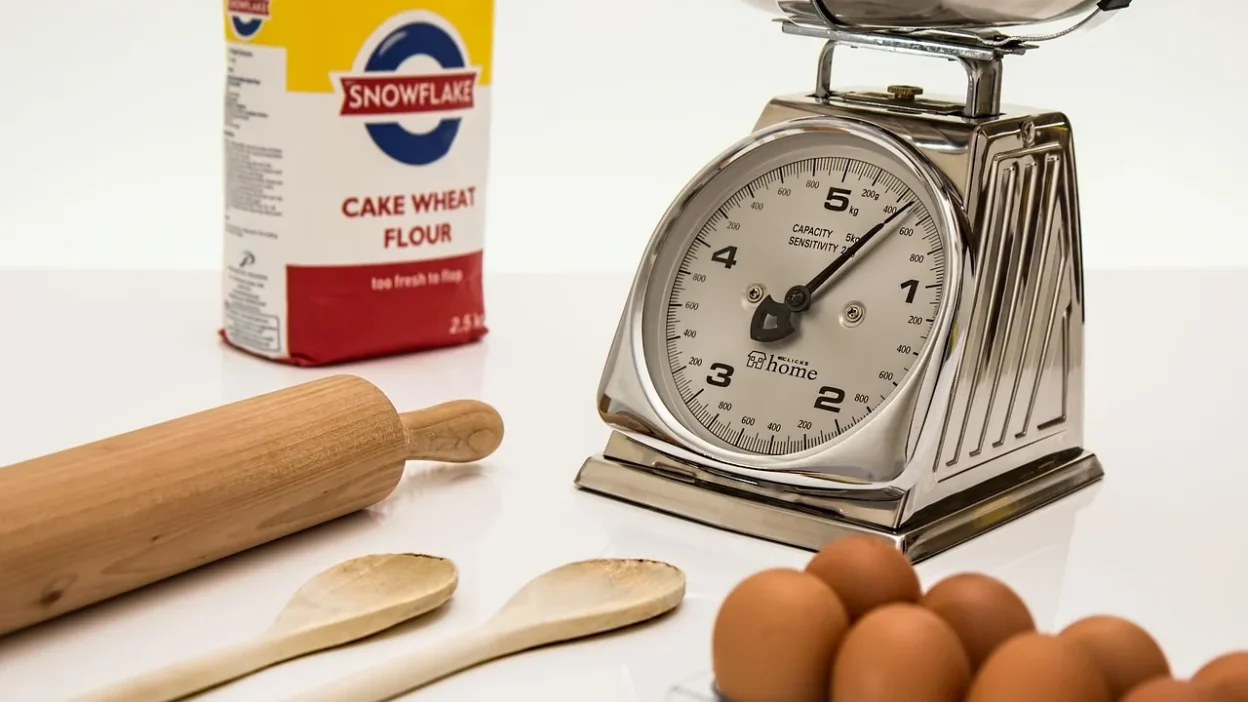
The best way to measure cat food portions for reliable results is to use a digital gram scale. While a measuring cup is fast and familiar, kibble size, shape, and settling can cause significant portion variance. Weighing food in grams provides exact consistency, which is crucial for weight management, health conditions, and multi-cat households. For ultimate accuracy and peace of mind, a scale is the more reliable tool for the cup vs gram scale for cat food decision.
The Case for the Cup: Convenience and Familiarity
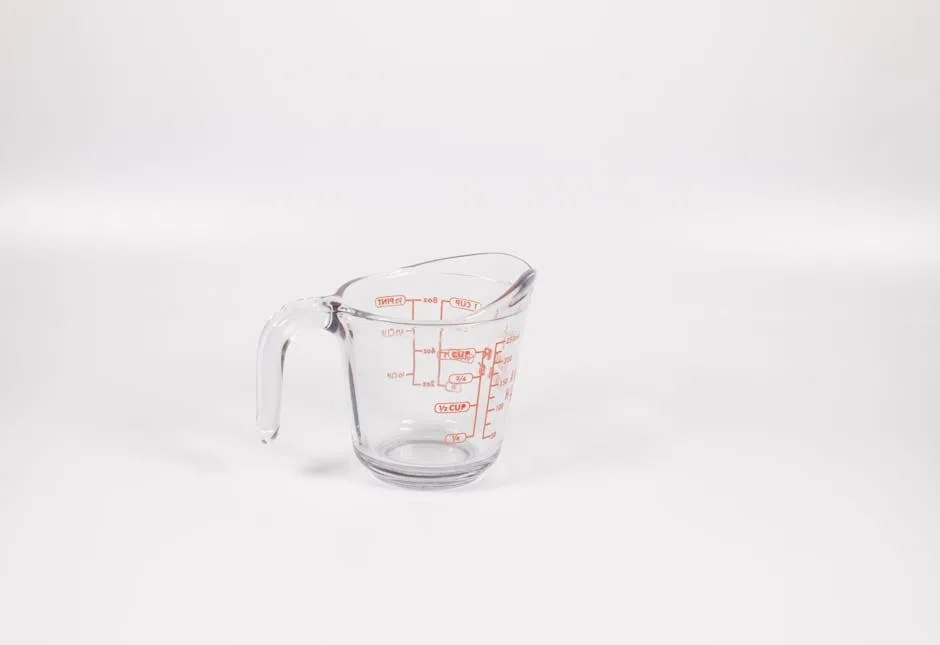
Photo by Chris Flaten on Pexels
For most cat owners, reaching for a measuring cup is the default. It’s a tool you already own, it’s fast, and it feels familiar. This method is built on the principle of “good enough” for many cats who maintain a stable weight without issue. Using the same 1/3 or 1/2 cup scoop each day creates a visual routine that’s easy to stick to, making it a practical choice for busy households.
When we talk about measuring kibble accurately, the cup offers a baseline. It’s far better than free-feeding or guessing by the handful. For a cat with no specific weight concerns, this consistent visual measure can work adequately. The low barrier to entry—both in cost and learning curve—is its strongest argument.
Why a Gram Scale Wins on Pure Reliability
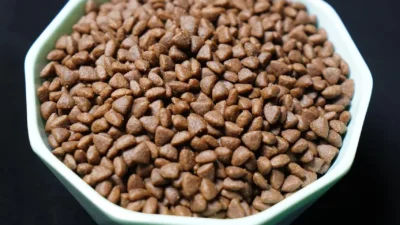
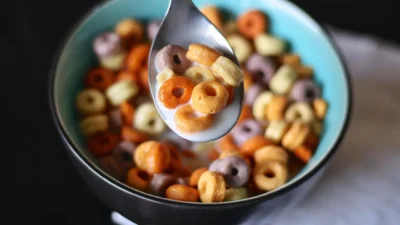
Reliability in feeding means getting the exact same amount of food, every single time. This is where volume (cups) and weight (grams) fundamentally differ. A cup measures space, not mass. The actual weight of kibble in that space changes dramatically based on the kibble’s size, shape, and how settled it is.
Think of it like this: a cup of large, airy kibble pieces contains far less actual food mass than a cup of tiny, dense kibble. Furthermore, scooping from the bag compacts the kibble, leading you to unintentionally overfeed. A digital gram scale removes these variables. When you weigh cat food portions, you’re measuring the food itself, not the air around it. This precision is what makes it the gold standard for accurate kibble measurement, especially when calorie intake is critical.
Cup vs. Scale: A Side-by-Side Comparison
To see the trade-offs clearly, here’s a direct comparison of the two methods across the factors that matter most for pet owners.
| Criteria | Measuring Cup | Digital Gram Scale |
|---|---|---|
| Accuracy | Low to Moderate. Varies with kibble type and scooping technique. | High. Provides an exact weight, unaffected by kibble size or settling. |
| Consistency | Can vary day-to-day. | Extremely consistent. The same gram amount every time. |
| Cost | Very low (often already owned). | Low to moderate (one-time purchase for a basic kitchen scale). |
| Speed & Ease | Very fast and simple. No setup required. | Slightly slower, requires a quick tare function. Still very easy with practice. |
| Cleaning | Easy to rinse or wipe. | Easy; typically just wipe the platform. |
| Best Use Case | Healthy, weight-stable cats where routine is the primary goal. | Weight management plans, multi-cat households, cats with health conditions like diabetes, or any situation where precision is paramount. |
Choosing Your Path: Decision Points for Your Household
So, which tool is right for you? The answer depends on your cat’s needs and your priorities. Ask yourself these questions:
Is your cat on a strict weight management plan?
If your vet has prescribed a specific calorie intake for weight loss or gain, a scale is non-negotiable. Small inaccuracies with a cup can stall progress or lead to unintended weight changes.
Do you have multiple cats with different dietary needs?
When cats eat different foods or amounts, a scale ensures each gets their exact portion, preventing food jealousy and ensuring special diets are followed correctly.
How much do you value convenience vs. precision?
Be honest about your routine. If the extra 10 seconds to use a scale feels like a burden you won’t sustain, a consistently used cup is better than an unused scale. However, for peace of mind and clinical accuracy, the scale is the definitive choice.
Dos and Don’ts for Accurate Portioning
No matter which method you choose, following these best practices will make your feeding more reliable.
DO:
- Do level off kibble in a measuring cup with a straight edge.
- Do use the same cup consistently if that’s your chosen tool.
- Do periodically check your scale’s calibration (many have a function for this).
- Do account for treats in your cat’s total daily calorie allowance.
DON’T:
- Don’t scoop directly from the bag, as this compacts the food. Pour kibble into the cup instead.
- Don’t guess or use imprecise measures like “a handful.”
- Don’t assume all “cup” markings on food packages are the same size; use a standard measuring cup.
Finding the Right Balance for Your Cat
The choice between a cup and a scale ultimately comes down to the balance you seek between convenience and precision. For many cats, a carefully used measuring cup provides enough consistency to maintain health. It’s a perfectly valid tool that supports a simple, sustainable routine.
However, when the goal is unwavering reliability—for weight management, medical conditions, or multi-cat homes—the digital gram scale is the superior tool. It transforms feeding from an estimate into an exact science, giving you complete control and peace of mind. Whichever path you choose, the act of measuring at all is a positive step toward your cat’s long-term well-being.
This is covered in more detail here: Feeding charts on cat food bags.