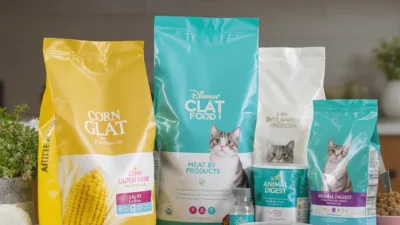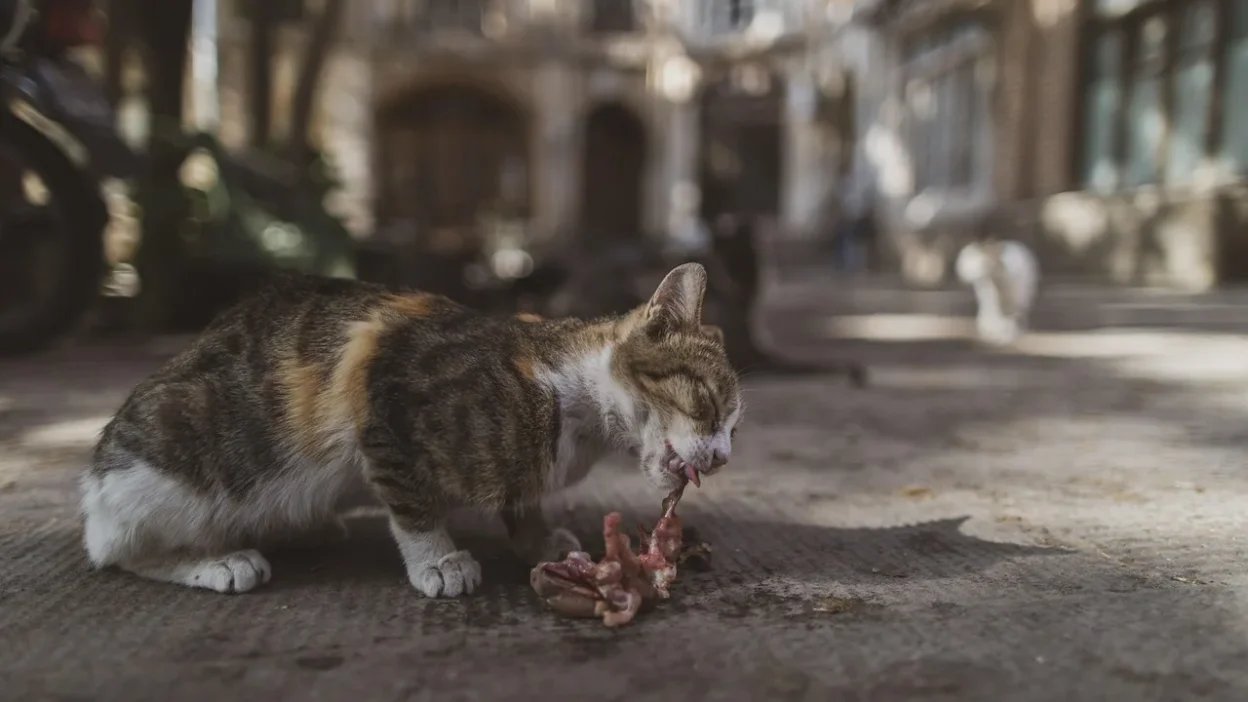
If you’ve ever felt overwhelmed by cat food labels shouting “high-protein!” or “grain-free!”, you’re not alone. The world of feline nutrition is often framed in extremes, leaving many cat owners with a simple but misguided belief: that more protein is inherently better and carbohydrates are the enemy. This black-and-white thinking misses the crucial, nuanced reality of how your cat’s body actually uses food. To make truly informed choices, you need to move beyond marketing slogans and understand the three fundamental building blocks—protein, fat, and carbohydrates. This guide to cat macronutrients explained will cut through the hype, bust common myths, and give you a practical, balanced framework for evaluating what’s really in your cat’s bowl.
Cats require a diet centered on high-quality animal protein and moderate fat, with minimal carbohydrates. Understanding these three macronutrients—protein, fat, and carbs—is key to choosing food that supports your cat’s health, energy, and biological needs. The optimal balance depends on your cat’s life stage, activity level, and specific health conditions, but a foundation of quality protein for muscle and function, adequate fat for energy and coat health, and limited, appropriate carbohydrates is essential for their well-being.
The Protein Paradox: More Isn’t Always Better
If you’ve been told that the single most important thing in cat food is “high protein,” you’re not wrong—but you’re not seeing the full picture. The mantra “more protein is always better” is a classic oversimplification. For our obligate carnivore companions, protein is indeed the nutritional cornerstone, but the focus should be on quality and biological appropriateness, not just a high number on a bag.
Cats require animal-based protein to supply essential amino acids their bodies cannot synthesize, most critically taurine. A deficiency in taurine can lead to severe heart and vision problems. This is why the biological value of the protein source matters immensely. Chicken, turkey, fish, and eggs provide a complete amino acid profile cats need, while plant-based proteins like corn gluten meal do not. The Association of American Feed Control Officials (AAFCO) sets minimum protein percentages, but these are survival baselines, not optimal targets for thriving.
What “High-Quality Protein” Really Means
Instead of fixating on the highest percentage, evaluate these factors:
- Source: Named animal proteins (e.g., chicken, salmon) should be the first ingredients, not meat by-products or plant proteins.
- Digestibility: High-quality protein is easily broken down and absorbed, meaning more is used by your cat’s body and less is wasted.
- Life Stage Needs: A growing kitten or a highly active young cat typically requires a higher protein percentage (often 35%+ on a dry matter basis) than a sedentary senior, though seniors still need ample, highly digestible protein to combat muscle loss.
Chasing extreme protein levels, especially from poor sources, offers no benefit and can sometimes strain the kidneys in cats with pre-existing renal issues. The goal is sufficient, superior protein, not maximum protein at all costs.
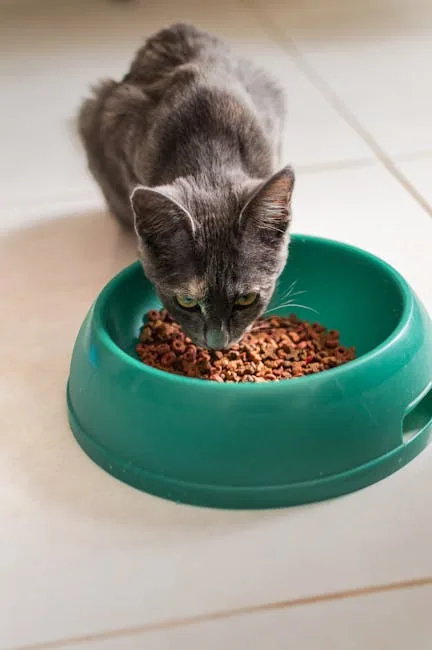
Photo by Eduardo López on Pexels
Fat: The Misunderstood Energy Powerhouse
In human nutrition, dietary fat is often vilified, leading many cat owners to unnecessarily fear it in their pet’s food. For felines, fat is a non-negotiable, essential macronutrient. It’s the most concentrated source of energy, providing about twice the calories per gram as protein or carbohydrates. But its role goes far beyond fuel.
Fat is the vehicle for absorbing fat-soluble vitamins (A, D, E, and K), crucial for vision, bone health, and immune function. More importantly, it supplies essential fatty acids that cats cannot produce on their own. These include arachidonic acid (from animal fats) and omega-3s (like EPA and DHA from fish oil). A deficiency can lead to a dull coat, flaky skin, poor wound healing, and increased inflammation.
Good Fats vs. Problematic Fats
Not all fats are created equal. Healthy fats come from named animal sources (chicken fat, salmon oil) and certain plant oils. They support skin and coat health, brain function, and can have anti-inflammatory effects. The problems arise with excessive fat leading to weight gain, or with fats that become rancid due to poor storage, which can deplete vitamins and cause health issues. A moderate fat level—often between 15-25% on a dry matter basis for most adults—supports energy and vitality without promoting obesity when portion-controlled.
When evaluating cat food macronutrients, view fat as a vital component of health, not a filler or a danger. Its presence significantly enhances palatability, ensuring your cat actually eats the nutritious food you provide.
Carbohydrates: The Non-Essential Ingredient
This is the most contentious of the three macros. Let’s bust the biggest myth first: cats have no biological requirement for carbohydrates. Their natural prey (small rodents and birds) contains only minimal carbs, primarily from digested stomach contents. Yet, the second myth is that all carbs are evil “fillers.” The reality is more nuanced.
Cats can utilize carbohydrates for energy, and in commercial pet food, they serve practical purposes: they act as a binder in kibble, provide fermentable fiber for gut health, and offer a cost-effective energy source. The risk isn’t carbohydrates themselves, but high carbohydrate intake, especially from highly refined sources like corn, wheat, or rice flour, in diets already sufficient in calories from protein and fat.
The Real Risk of High-Carb Diets
Consistently feeding a diet high in digestible carbs can contribute to several issues. It can lead to excessive calorie intake and obesity, as carbs are less satiating than protein and fat. More critically, there is a well-established link between high glycemic diets and an increased risk of feline diabetes mellitus. A cat’s system isn’t designed for large glucose spikes, which can over time lead to insulin resistance.
Therefore, while a small amount of well-cooked carbs or fibrous vegetables isn’t harmful, the ideal feline diet is low in carbohydrates. When comparing foods, look for carb content (calculated by subtracting protein, fat, fiber, ash, and moisture from 100%) that is ideally under 10% on a dry matter basis for wet food and under 20% for dry food.
Reading the Guaranteed Analysis: A Practical Decoder
The “Guaranteed Analysis” on your cat’s food label is where the protein fat carbs for cats discussion gets real. But comparing these percentages directly between wet (canned) and dry (kibble) food is the most common mistake owners make. Canned food is about 75-80% water, while dry food is only about 10% water. To compare them fairly, you must convert both to a Dry Matter Basis (DMB).
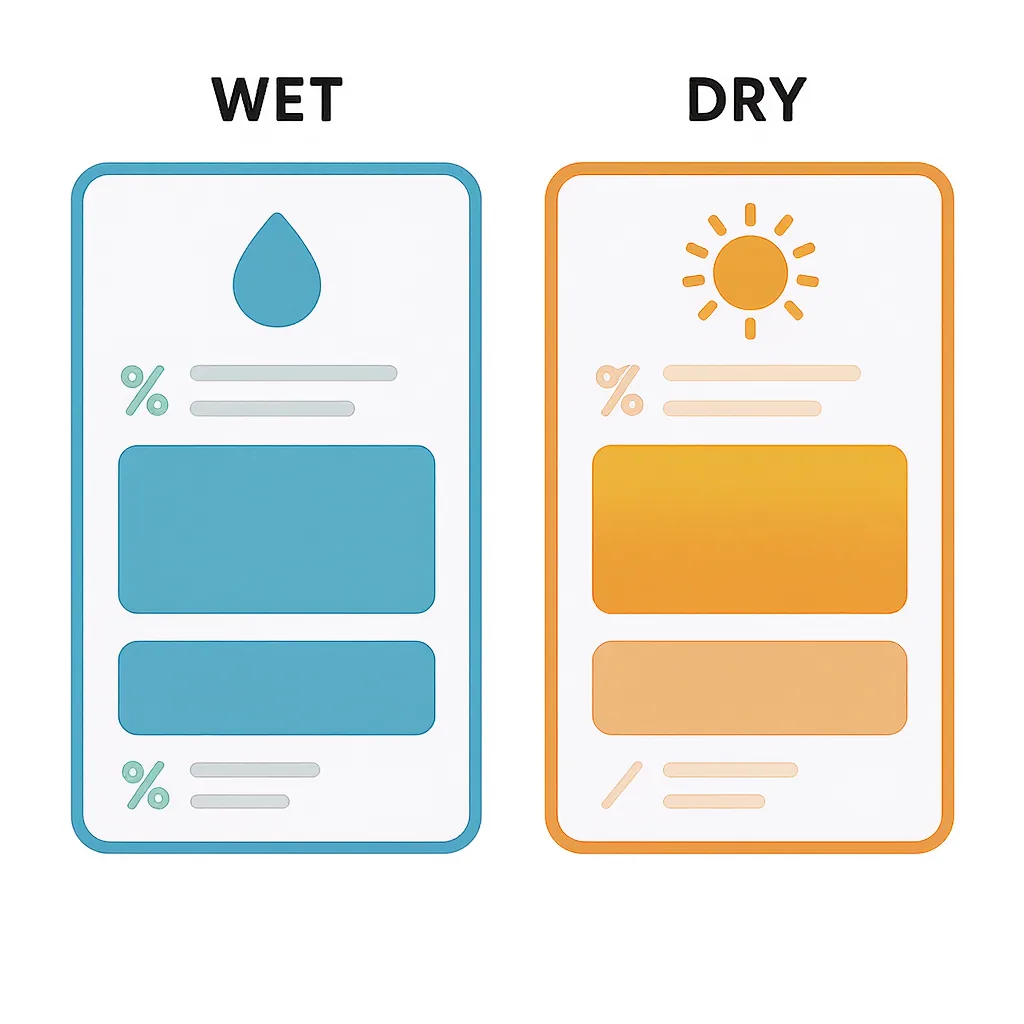
The Simple Dry Matter Calculation
- Find the moisture percentage on the label (e.g., Wet Food: 78%, Dry Food: 10%).
- Calculate the dry matter: 100% – Moisture% = Dry Matter% (e.g., Wet: 100-78=22%, Dry: 100-10=90%).
- Convert a nutrient: (Nutrient % on label / Dry Matter %) x 100 = DMB%.
Example for Protein in Wet Food labeled at 10% protein: (10 / 22) x 100 = 45.5% protein on a DMB.
Suddenly, that “low” protein wet food reveals itself as a protein-dense option. Use this method to compare the true macronutrient profiles across all formats.
Dos and Don’ts of Label Reading
- DO use the Dry Matter Basis to compare any foods.
- DO look at the ingredient list in conjunction with the analysis. A high protein percentage from peas and potatoes isn’t ideal.
- DON’T judge a food solely by the “crude” percentages. “Crude” refers to the measurement method, not quality.
- DON’T ignore the “as-fed” numbers for calorie counting; use those for portion sizing.
Note: This guide is for educational purposes to help you make informed choices. It is not a substitute for personalized advice from your veterinarian.
Common Macronutrient Mistakes Cat Owners Make
Armed with knowledge, it’s just as important to avoid these frequent pitfalls in applying it.
1. Comparing Wet and Dry Food by Label Alone
As detailed above, failing to convert to a dry matter basis makes wet food look far less nutrient-dense than it is. This can lead owners to unnecessarily supplement or overfeed dry food thinking it’s “richer.”
2. Chasing Extreme Macros
Whether it’s a “zero-carb” obsession or a “50% protein or bust” mindset, extremism rarely leads to balanced nutrition. It can limit your options to niche brands and cause you to overlook otherwise excellent foods that meet your cat’s needs without hitting an arbitrary, extreme number.
3. Ignoring the Ingredient List
The guaranteed analysis tells you the “what,” but the ingredients tell you the “from what.” A food can have a great protein percentage but derive it largely from plant sources, missing the essential amino acid profile cats require. Always cross-reference.
4. Applying Human Diet Trends to Cats
Ketogenic, grain-free, or low-fat trends are human constructs. A cat’s biology is different. For instance, a truly “grain-free” diet may simply replace grains with high-starch potatoes or legumes, which doesn’t solve the high-carb issue and has been associated with other concerns like canine DCM. Focus on feline-specific needs.
Move Beyond the Marketing
Understanding cat food macronutrients transforms you from a passive consumer to an active advocate for your cat’s health. You’re no longer swayed by the biggest “HIGH PROTEIN!” banner on the bag, but can look past it to assess the quality of that protein, the role of essential fats, and the true carbohydrate load. The goal isn’t to become a feline nutritionist, but to develop a critical eye.
Your decisive next step is simple: take one of your current cat food cans or bags and perform the dry matter basis calculation. See what the numbers really reveal. Does the protein come from named animals? Is the fat level appropriate? How high are the carbs? This single, practical act puts all this theory into immediate context. Choose balance and biological sense over hype, and you’ll be providing a foundation for lifelong health.
To make smarter feeding choices, remember these core takeaways about feline macronutrients:
- Protein is essential, but quality trumps quantity. Seek animal-based sources for complete amino acids like taurine.
- Fat is a crucial energy source and nutrient carrier, not something to fear. It provides essential fatty acids for skin, coat, and overall health.
- Cats have no dietary need for carbohydrates. While not inherently toxic, low-carb diets are generally more species-appropriate and help mitigate risks like obesity and diabetes.
- Always compare foods on a Dry Matter Basis (DMB) to see past the misleading moisture content and evaluate true protein, fat, and carb levels.
- Avoid macronutrient extremes. Optimal health comes from a balanced, biologically appropriate profile, not the highest or lowest possible number in any single category.