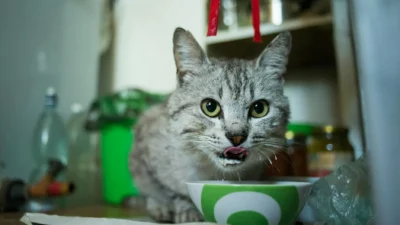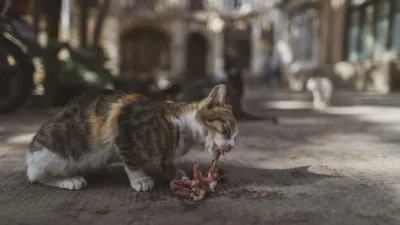
Choosing the right protein for your cat isn’t just a dietary preference; it’s a fundamental decision about their biological fuel. Think of your feline friend as a high-performance engine, meticulously designed to run on a specific type of premium fuel—animal tissue. Using the wrong type can lead to inefficiency and long-term wear. This is because cats are obligate carnivores, a biological reality that sets the stage for a clear choice between two paths: the ideal, biologically-aligned path of animal protein and the practical, often constrained path that includes plant protein. Understanding this core distinction is the first step to ensuring your cat’s food supports their health, vitality, and unique nutritional needs.
The best way to prioritize protein for your cat is to choose animal-based sources first. Cats are obligate carnivores, meaning their bodies are designed to digest and utilize nutrients from meat most efficiently. While some plant proteins can be included in commercial foods for cost or texture, they should never be the primary protein source. Look for foods where named meats (like chicken, turkey, or fish) are the first ingredients.
The Biology First: Why Cats Crave Meat
To understand the animal vs plant protein for cats debate, you must start with a fundamental fact: cats are obligate carnivores. This isn’t a preference; it’s a biological design. Their digestive systems and metabolism evolved over millennia to derive essential nutrients from animal tissue, not plants.
This design creates specific, non-negotiable needs. Cats require certain amino acids—the building blocks of protein—that their bodies cannot produce in sufficient amounts. The most critical is taurine, which is found almost exclusively in animal muscle meat. A deficiency can lead to serious heart and eye problems. Other essential amino acids like arginine, methionine, and cysteine are also far more abundant and bioavailable in meat. For an obligate carnivore, animal protein isn’t just the best protein source for cats; it’s the only complete source that meets all their unique nutritional requirements efficiently.

Photo by Muneeb Khan on Pexels
Animal Protein: The Gold Standard for Feline Health
When you prioritize animal protein, you’re feeding in harmony with your cat’s biology. The benefits are clear. Animal-sourced proteins provide a complete amino acid profile in the right proportions. They are also highly bioavailable, meaning your cat’s body can easily break them down and absorb the nutrients. Furthermore, fresh meats contribute natural moisture, which supports urinary tract health—a common concern for cats.
High-quality meat protein for cats comes from named animal sources. Look for ingredients like chicken, turkey, duck, beef, lamb, or fish (e.g., salmon, herring) at the top of the ingredient list. This is the core idea behind seeking a meat first cat food. When a specific meat is listed as the first ingredient, it signals that the formula is built on a foundation of animal-based nutrition, making it a strong contender for the best protein source for cats in a commercial diet.
Plant Protein in Cat Food: Understanding Its Role
So, why do you see peas, lentils, potatoes, or corn gluten meal in so many cat food bags? For manufacturers, plant proteins serve practical purposes: they are often less expensive than meat, help form the kibble’s texture, and can add specific types of fiber.
It’s important to note that cats can digest some plant material. The issue isn’t black-and-white toxicity but rather nutritional adequacy and efficiency. Plant proteins are typically incomplete for cats, lacking one or more essential amino acids. They also have lower bioavailability, so even if a label shows a high protein percentage, your cat may not be able to use all of it. When plant proteins are used heavily, they can act as fillers, diluting the meat content your cat truly needs. Understanding this role helps you make sense of cat food protein comparison labels.
Your Practical Choice: How to Read Labels & Prioritize
Armed with this knowledge, your shopping trip becomes a simple exercise in label literacy. Your primary filter is the ingredient list, which is ordered by weight. Apply this rule: the first two to three ingredients should be named animal proteins.
Look for: “Deboned chicken,” “turkey meal,” “salmon,” “duck liver.” These specific terms indicate a quality animal protein source.
Be wary of: Vague terms like “meat meal” or “animal digest.” Also, be cautious if plant proteins like “pea protein,” “potato protein,” or “corn gluten meal” appear in the top five ingredients, as this suggests the formula may rely on them for its protein boost. This visual comparison can clarify the difference ingredient list analysis.
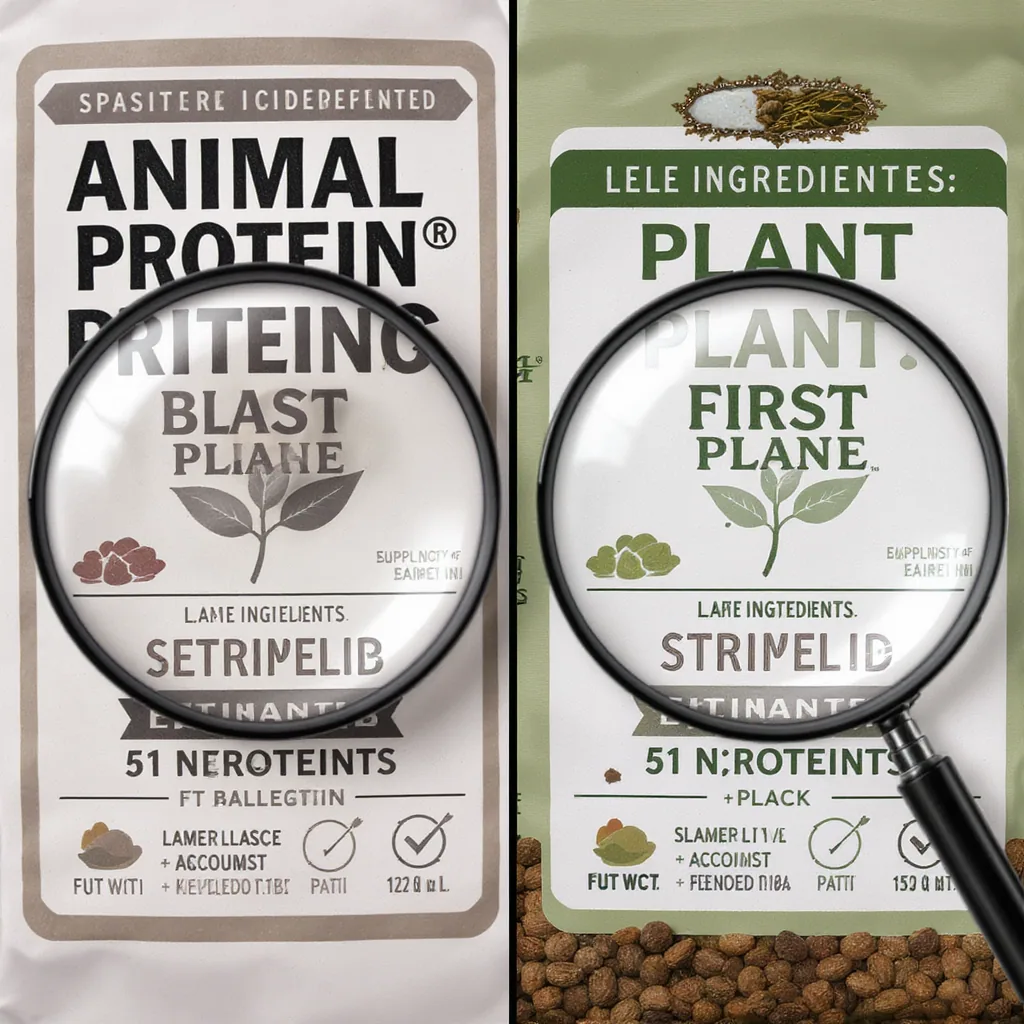
This practice directly applies the “two paths” theory. The ideal path is choosing a food where animal protein is undeniably first. The practical path might involve a food where a named meat is first, but some plant proteins follow soon after—this is common in many commercial foods and can be acceptable for most cats, as long as the animal foundation is solid.
Special Scenarios: Allergies, Budget, and Alternative Diets
What about situations that seem to complicate the animal-protein-first rule? Let’s address them pragmatically.
Meat Allergies: While possible, true meat allergies in cats are rare. More often, issues are related to specific proteins or other ingredients. If you suspect an allergy, consult your veterinarian for a proper diagnosis before drastically changing your cat’s diet.
Budget Constraints: High-quality animal protein does often cost more. Your strategy here is to find the best value within your budget. Look for foods where a named meat meal (a concentrated protein source) is first. This can sometimes offer more animal protein per scoop than a food with “fresh chicken” first, which contains a lot of water weight.
Vegan/Vegetarian Diets: This is the most contentious area. A plant-based diet for an obligate carnivore is a significant deviation from their biological needs and carries a high risk of severe nutritional deficiencies. It is strongly advised against without extensive, ongoing supervision from a veterinary nutritionist.
Making the Right Choice for Your Cat
When it comes to fueling your cat’s health, the path is clear: prioritize animal protein. Their biology as obligate carnivores leaves little room for compromise on this fundamental need. While plant proteins have a place in the practical world of pet food manufacturing, they should support—not replace—the meat at the heart of your cat’s diet.
Your next step is simple. Tonight, take a moment to check the ingredient list on your current cat food bag or can. See where the protein sources fall. Making a more informed choice for your cat’s long-term vitality starts with this one, straightforward action.