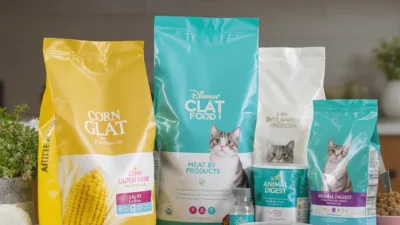
If you’ve ever stood in the pet food aisle, staring at bags labeled “senior,” “mature,” or “age-defying,” you’re not alone. Many cat owners operate on a common assumption: “My cat is 7, so I must switch to a ‘senior’ formula.” But here’s the reality that cuts through the confusion: “senior” is not a legally defined or regulated term in pet nutrition. This creates a landscape where genuinely helpful senior cat food claims are buried alongside pure marketing fluff, leaving you to decipher what’s actually beneficial for your aging companion and what’s just clever packaging designed to sway your purchase.
Here’s how to decode senior cat food claims: start by ignoring the ‘senior’ label itself and focus on specific, measurable nutritional promises that address your cat’s individual health needs, not marketing buzzwords. Look for claims about protein quality, joint support ingredients like glucosamine, and controlled phosphorus levels, which have real science behind them. Be skeptical of vague terms like ‘vitality’ or ‘age-defying’ that lack concrete nutritional definitions.
Why ‘Senior’ Is a Marketing Term, Not a Standard
Let’s start with the most important fact: the word “senior” on a cat food bag has no official nutritional definition. Regulatory bodies like the Association of American Feed Control Officials (AAFCO) set standards for terms like “complete and balanced” or “for growth,” but they do not define what “senior,” “mature,” or “geriatric” means for pet food.
This lack of a standard is the root of all confusion. It means any brand can put “senior” on a bag and create any formula they choose. One brand’s senior food might be lower in calories, while another’s might be higher in protein or fiber. They are not required to meet a specific set of nutritional benchmarks for aging cats. Therefore, the term itself is often the first and most prominent senior cat food marketing claim. It’s a signal to you, the concerned owner, but it’s not a guarantee of suitability for your cat’s individual needs.
Helpful Claims: What Actually Matters for Aging Cats
Instead of the “senior” banner, focus on specific, measurable promises that address common age-related changes. These are the senior cat food label claims backed by nutritional science.
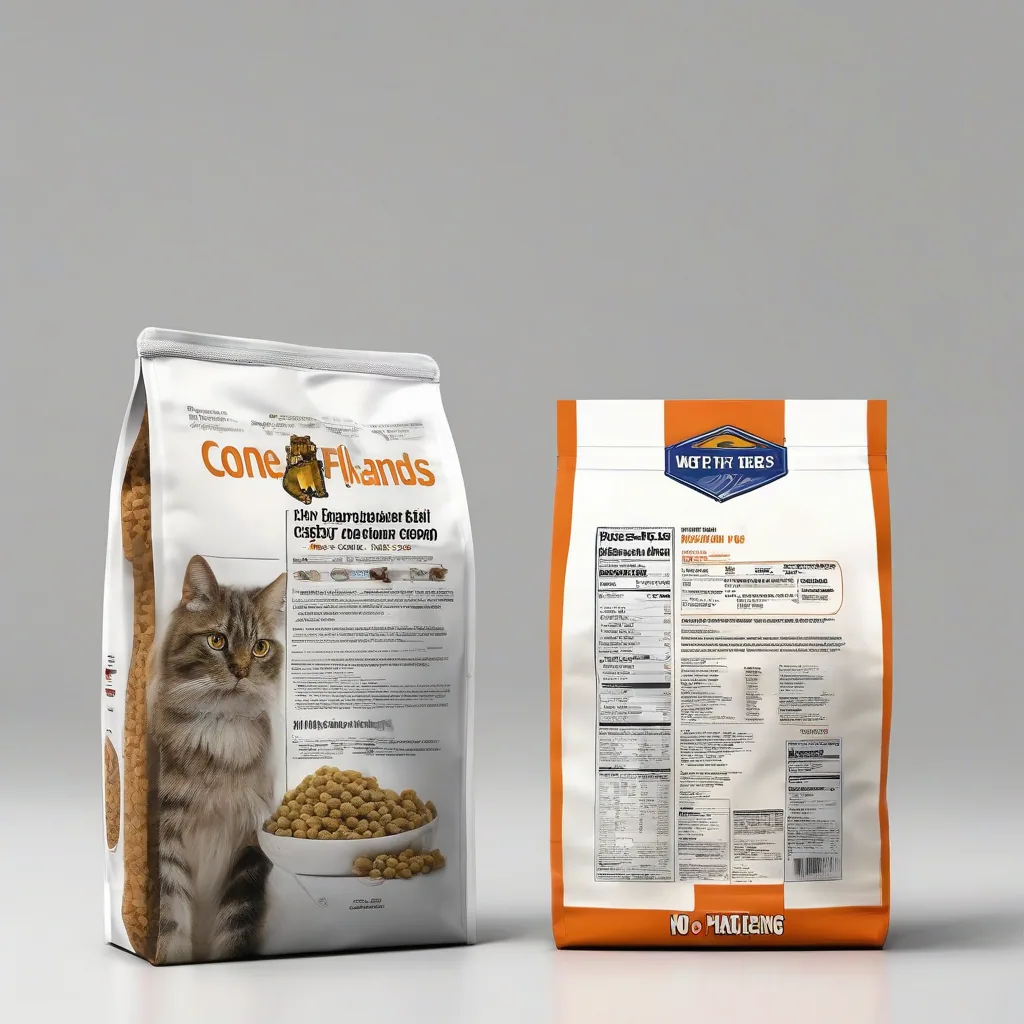
High-Quality Protein
Older cats need plenty of easy-to-digest protein to maintain lean muscle mass. Look for claims specifying the source, like “with real chicken” or “salmon as the first ingredient.” This is more meaningful than a generic “high protein” statement, as it points to animal-based proteins.
Joint Support Ingredients
Claims like “with glucosamine and chondroitin” or “added omega-3 fatty acids” target joint health and inflammation. While the amounts in food may be supplemental, these ingredients have proven benefits for mobility joint health supplements.
Controlled Mineral Levels
For kidney health, which is a common concern, a claim of “controlled phosphorus” or “reduced phosphorus” is a strong, specific indicator. It shows the formula is designed with renal support in mind, which is more actionable than a vague “supports kidney function.”
Digestive Health Aids
Claims about “prebiotic fibers” or “probiotics” can be helpful for older digestive systems. They indicate the food is formulated for easier nutrient absorption and gut health, which can be a real issue for aging cats.
The Marketing Fluff: Vague Claims to Question
Now for the other side of the coin: claims designed to appeal to your emotions rather than provide concrete nutritional information. When you see these, it’s time to put on your skeptic’s hat and look deeper at the actual ingredients and guaranteed analysis.
Emotional & Vague Buzzwords
Phrases like “for vitality & energy,” “age-defying formula,” or “promotes longevity” sound wonderful but are nutritionally meaningless. They are not regulated and don’t tell you how the food achieves these goals. They are pure senior cat food marketing fluff.
Unregulated “Wellness” Terms
Words like “natural,” “holistic,” and “wholesome” are not strictly defined for pet food by AAFCO. A brand can use “natural” if it meets a very broad guideline, but it doesn’t automatically mean the food is better for your senior cat. It’s often used to justify a higher price tag.
Trendy Ingredient Drops
“With superfoods like blueberries and kale!” While these ingredients aren’t harmful, they are often included in minuscule amounts primarily for their marketing appeal on the label, not for a measurable nutritional impact on your cat. Don’t let a sprinkle of acai berry distract you from the quality of the primary protein source.
Your Action Plan: How to Choose the Right Food
Armed with this knowledge, you can move past the hype. Here’s a simple dos and don’ts checklist for your next shopping trip.
DO: Look past the “senior” label and immediately check the Guaranteed Analysis for protein and fat percentages. For many healthy seniors, a robust protein level (over 30% on a dry matter basis) is key.
DO: Read the first five ingredients. They make up the bulk of the food. Look for named meat meals or meats (e.g., “deboned chicken,” “chicken meal,” “salmon”).
DO: Use the helpful claims filter. Prioritize bags that specify high-quality protein, joint support nutrients, or controlled phosphorus if your cat has specific needs.
DON’T: Assume a higher price equals better senior nutrition. Compare the concrete specs, not just the brand name or bag design.
DON’T: Be swayed by vague, feel-good language. If a claim doesn’t point to a specific ingredient or measurable benefit, it’s likely just decoration.
Finally, the most important step is to consult your veterinarian. They can assess your individual cat’s health and recommend dietary adjustments, making you an even more informed partner in your cat’s care.
Trust the Specs, Not the Spin
Choosing food for your older cat doesn’t have to be a puzzle solved by marketing. By learning to separate specific, actionable claims from vague emotional appeals, you take back control. Your next step isn’t to find a “senior” food—it’s to find the right food for your senior cat. Start by applying your new filter on your next store visit or online browse, and use what you find as a starting point for a productive conversation with your vet.
Q: Is there a specific age when I should switch my cat to senior food?
A: There’s no magic number, as cats age at different rates. “Senior” is often used for cats 7+, but the decision should be based on your cat’s health, not just age. Your vet can best advise if a diet change is needed based on weight, lab work, and activity level.
Q: What’s the most important thing to look for in senior cat food?
A: Focus on high-quality, animal-based protein as the primary ingredient. Maintaining muscle mass is a critical concern for aging cats, so the protein source and digestibility are more important than any “senior” label.
Q: Are grain-free senior cat foods better?
A: Not necessarily. Unless your cat has a diagnosed grain allergy, grains are a digestible source of energy and nutrients. The “grain-free” claim is often marketing. More crucial factors are the protein quality and overall nutrient profile tailored to senior needs.
Q: My senior cat is losing weight. What should I look for in a food claim?
A: Weight loss in older cats can be serious; see your vet first. In terms of food, look for claims like “high calorie” or “energy dense,” and check the fat content in the Guaranteed Analysis. Also, prioritize foods with “high palatability” claims or those in wet/pâté forms, which are often easier to eat and more appealing.