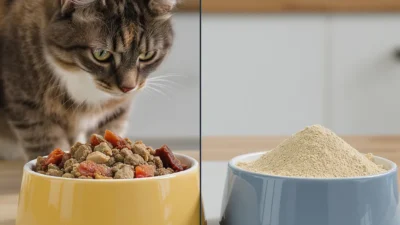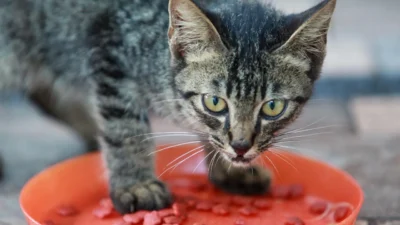
Staring at the endless rows of cans in the pet food aisle can leave any cat owner feeling a bit lost. Beyond the flashy labels and bold health claims, how do you actually know what makes a good wet cat food? The answer isn’t just in the fine print of the ingredients list, but in what you can see and feel when you open the can. Learning what to look for in wet cat food comes down to evaluating three interconnected, observable qualities: the texture your cat will happily eat, the quality of the gravy or jelly that holds it together, and the real meat content you can identify. Getting a handle on these elements turns a confusing chore into a confident choice, ensuring you pick a food that’s not only nutritious but one your feline friend will eagerly devour.
When choosing wet cat food, focus on three key, observable qualities: a texture your cat will actually eat (like pate or chunks), a gravy or jelly that binds the food without being watery or greasy, and a meat source listed clearly as the first ingredient. The right balance depends on your cat’s age, health, and personal preference, but the goal is a food where these elements work together for both nutrition and palatability.
Texture First: Matching Food Form to Feline Preference
Before you even look at the ingredient list, consider the form of the food itself. The texture is the first thing your cat interacts with, and getting it wrong can mean a perfectly good meal gets snubbed. Think of this as the first branch in your decision tree: what will your cat actually eat?
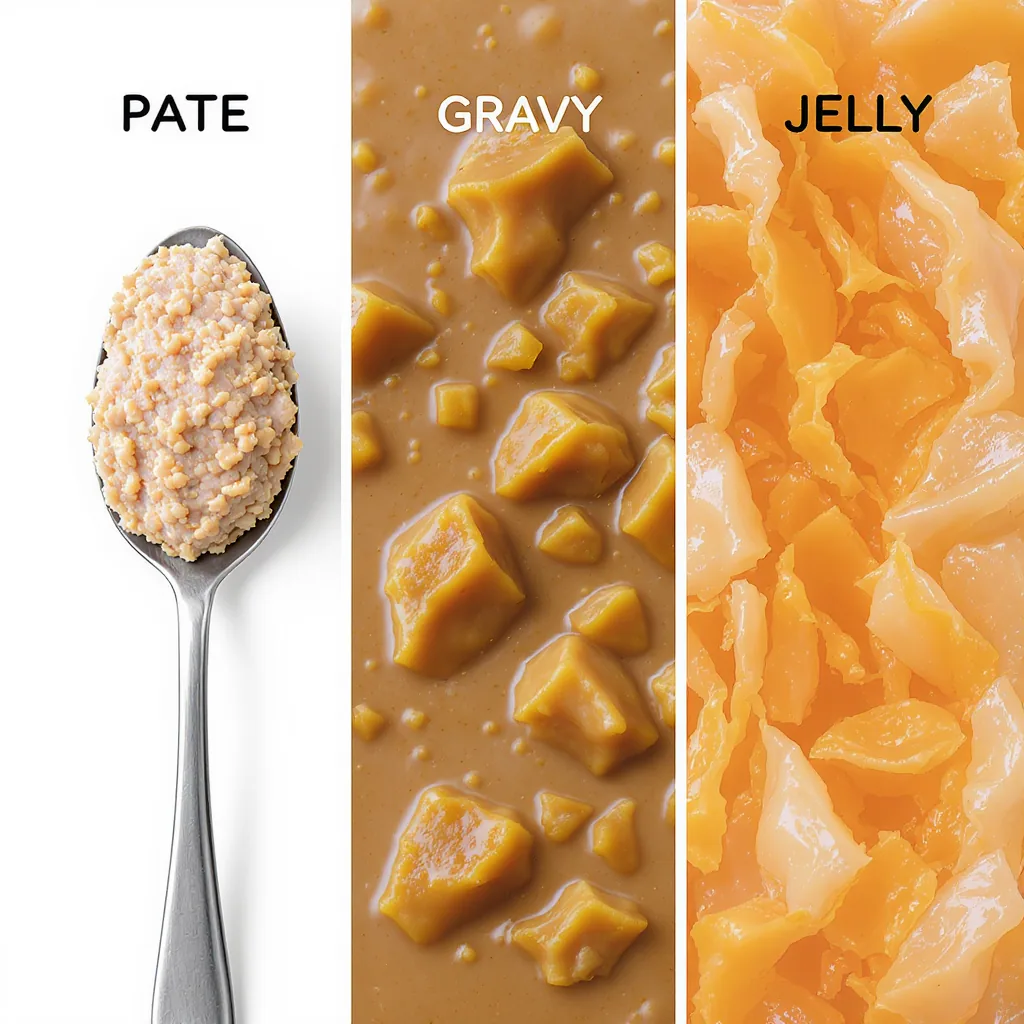
Common Wet Food Textures
Pâté: A smooth, uniform paste. It’s easy for cats of all ages to eat, especially kittens or seniors, and often has a high meat density since there’s no gravy taking up space. Some texture-sensitive cats find it unappealing.
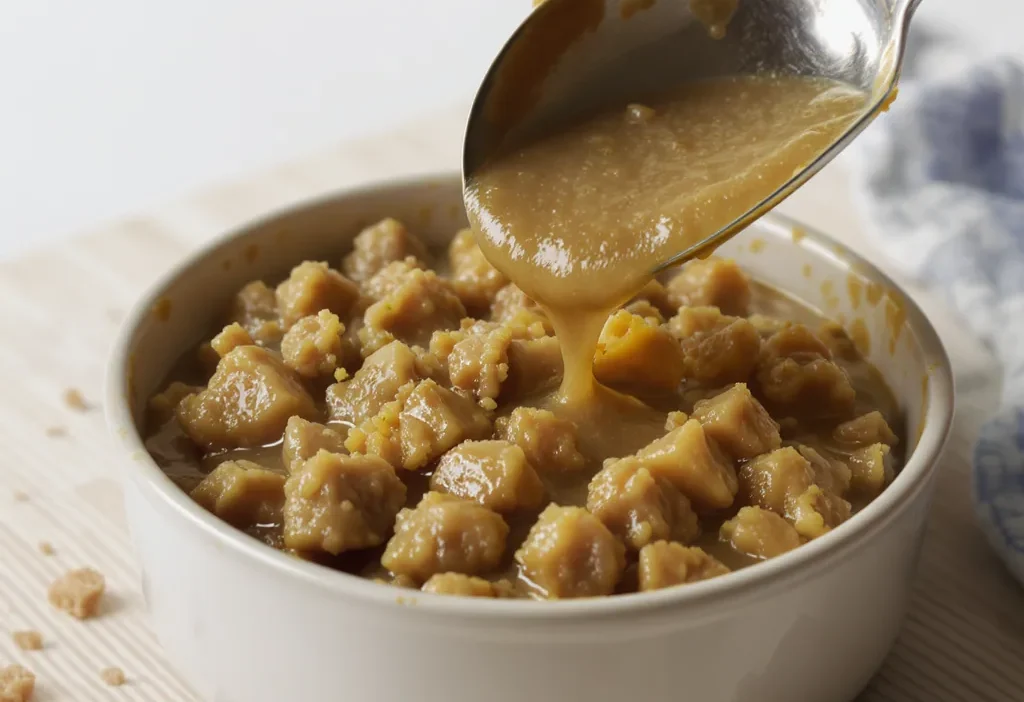
Chunks in Gravy: Bite-sized pieces of meat suspended in a liquid sauce. This style can encourage picky eaters and provides extra hydration. The classic pate vs chunks wet cat food debate often comes down to your cat’s preference for variety versus uniformity.
Shreds or Morsels in Jelly: Thin strips or small pieces in a gel-like binding. This can mimic the texture of pulled meat and is another option for cats who turn their nose up at pâté.
Your cat’s age and health can guide you here. A senior cat with dental issues might manage a pâté more easily, while a healthy adult might enjoy the chewing simulation of chunks. The key is observation—note what textures they consistently finish.
The Gravy & Jelly Check: Cohesion vs. Separation
Once you’ve considered texture, look closely at the liquid component. A high-quality gravy or jelly should bind the meal together, not just sit in the bottom of the bowl as filler. Good cat food gravy quality is about cohesion and purpose.
When you open a can or pouch, notice a few things. Is the gravy fully integrated with the meat, or has it separated and pooled? A little natural separation can happen, but a large pool of watery liquid might indicate excess water or thickeners. The gravy itself should look appetizing—neither greasy/filmy nor unnaturally cloudy. It should smell like food, not chemicals.
This component is crucial for hydration, especially for cats that don’t drink much water. A well-made gravy encourages them to lick it up, taking in extra fluids. However, be wary of gravies that seem to be the main event. The best wet foods use gravy to complement and moisten the meat, not disguise a lack of it. A quick stir can tell you a lot; the food should hold together, not disintegrate into a murky soup.
Decoding Meat Content: Beyond the First Ingredient
This is your core filter. While “meat first” is a good rule, truly evaluating wet cat food for its wet cat food meat content requires a slightly deeper look. You want to see a named, recognizable protein source doing the heavy lifting.
First, check the label for specificity. “Chicken” or “Salmon” is better than vague terms like “poultry” or “meat by-products.” The first ingredient should be this named meat, ideally in a whole form like “chicken” or “chicken broth,” not just “chicken flavor.”
Second, look inside the can. For chunky or shredded foods, can you actually see distinct pieces of meat? In a pâté, the color and smell should be consistent with the named protein. A high meat content cat food will have a hearty, meaty appearance and aroma, not a grain-heavy or uniformly gray look.
Be mindful of label semantics. A food labeled as “Chicken Dinner” or “with Chicken” only needs to contain a minimum of 3% of that meat, while “Chicken Cat Food” must contain at least 95% chicken (excluding water). For the most meat-forward option, look for products that market themselves as 95%+ meat or limited ingredient diets.
Bringing It All Together: Making Your Choice
Now, apply these three checks as interconnected filters, not a linear checklist. Start with your cat’s likely texture preference—this is the gatekeeper. A food can have perfect ingredients, but if your cat won’t eat the pâté texture, it’s not the right choice.
For that preferred texture, then assess the gravy or jelly. Is it cohesive and appealing, or does it seem like cheap filler? Finally, verify the meat content meets your standards for both the label claim and what you can see in the can.
Understand the tradeoffs. A pâté might have less visible gravy but a denser concentration of meat. A chunks-in-gravy food offers hydration and variety but may have a slightly lower percentage of meat by weight due to the sauce. There’s no single “best” answer. The perfect wet food is the one that strikes a balance your cat eagerly eats and that you feel good about serving, based on these observable qualities.
Trust Your Eyes (And Your Cat’s Nose)
Choosing your cat’s food doesn’t have to be a mystery solved only by decoding tiny print. By paying attention to texture, gravy, and visible meat content, you gain a practical, real-world way to assess wet food ingredients beyond marketing claims. These three points create a simple mental model for your next shopping trip: find a texture your cat loves, ensure the gravy binds the meal with quality, and confirm real meat is the star.
Remember, the ultimate test happens in the bowl. The “perfect” wet food is the one your cat eats reliably and that aligns with your informed standards for quality. It’s a balance, not a checklist, and you’re now equipped to find it.
For additional context, refer to Dry vs Wet vs Raw-Style Cat Food.