Have you ever glanced at your cat’s water bowl at the end of the day, only to find it suspiciously full, and felt a pang of worry? Or perhaps you’ve wanted to establish a solid cat hydration and healthy habits routine but felt overwhelmed by where to start? You’re not alone. Many cat owners struggle with these very concerns, often because our feline friends evolved from desert ancestors with a naturally low thirst drive, making proactive hydration strategies essential. This guide isn’t about achieving perfection or overhauling your entire life; it’s a practical, supportive roadmap for building simple, sustainable daily habits. We’ll begin with the most critical pillar of feline wellness—ensuring your cat gets enough water—and then layer on other healthy habits for cats that fit seamlessly into your day. Think of it as creating a toolkit of small, consistent actions that empower you to support your cat’s long-term health, starting today.
A healthy daily routine for your cat focuses on ensuring adequate hydration through multiple strategies, providing balanced nutrition, engaging in regular play, and making simple observations of their behavior and litter box habits. Consistency with these small actions is far more effective for their long-term wellbeing than attempting perfect, unsustainable efforts. Start by mastering one element, like improving cat water intake, and gradually build from there.
Why Hydration is the Cornerstone of Feline Health
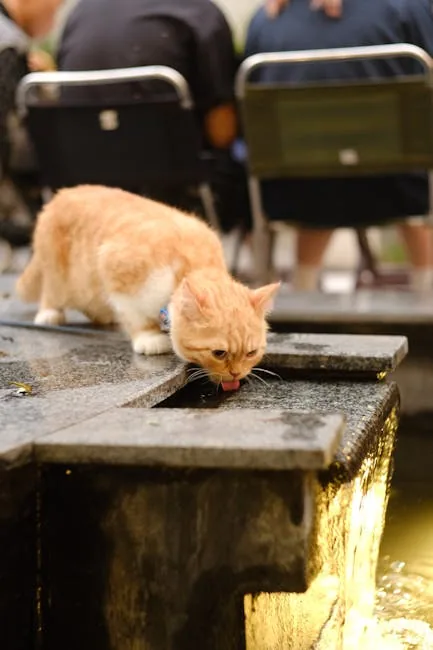
Photo by TBD Tuyên on Pexels
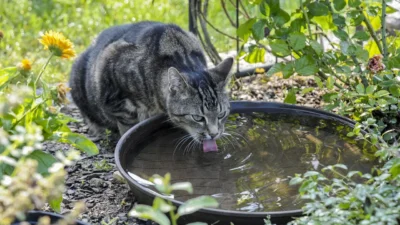
Understanding your cat’s unique biology is the first step to building better healthy habits for cats. Unlike dogs, cats evolved from desert-dwelling ancestors who got most of their moisture from prey. This left them with a naturally low thirst drive—a trait still present in our domestic companions today. They simply don’t feel the urge to drink as often as they should, which is why proactive management of their cat water intake is so crucial.
Chronic, low-level dehydration is a common, often silent issue. It can put extra strain on the kidneys and urinary tract, potentially contributing to the formation of crystals or stones. Supporting proper feline hydration is one of the most effective daily actions you can take to promote long-term organ health and function feline kidney health. The goal isn’t to force your cat to drink gallons, but to make drinking water so easy, appealing, and integrated into their day that it becomes a natural, effortless part of their cat wellness schedule.
Your Hydration Toolkit: Beyond the Water Bowl
Relying on a single, stagnant water bowl is the most common hurdle to good cat hydration and healthy habits routine. To encourage drinking, you need a toolkit of strategies that work with your cat’s instincts. Here are the essentials every cat owner should consider.
The Power of Movement: Water Fountains
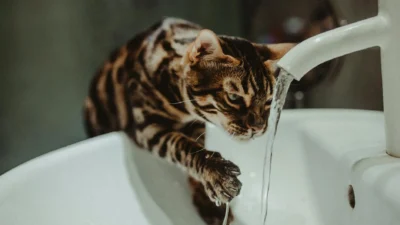
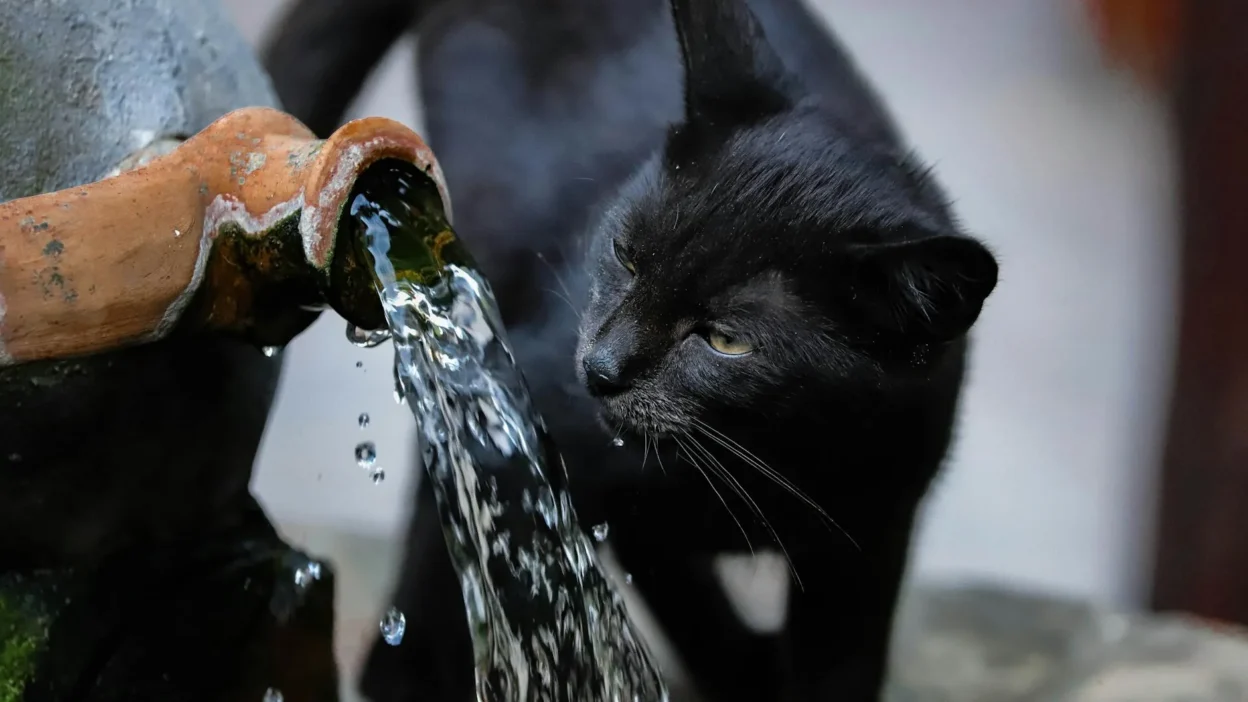
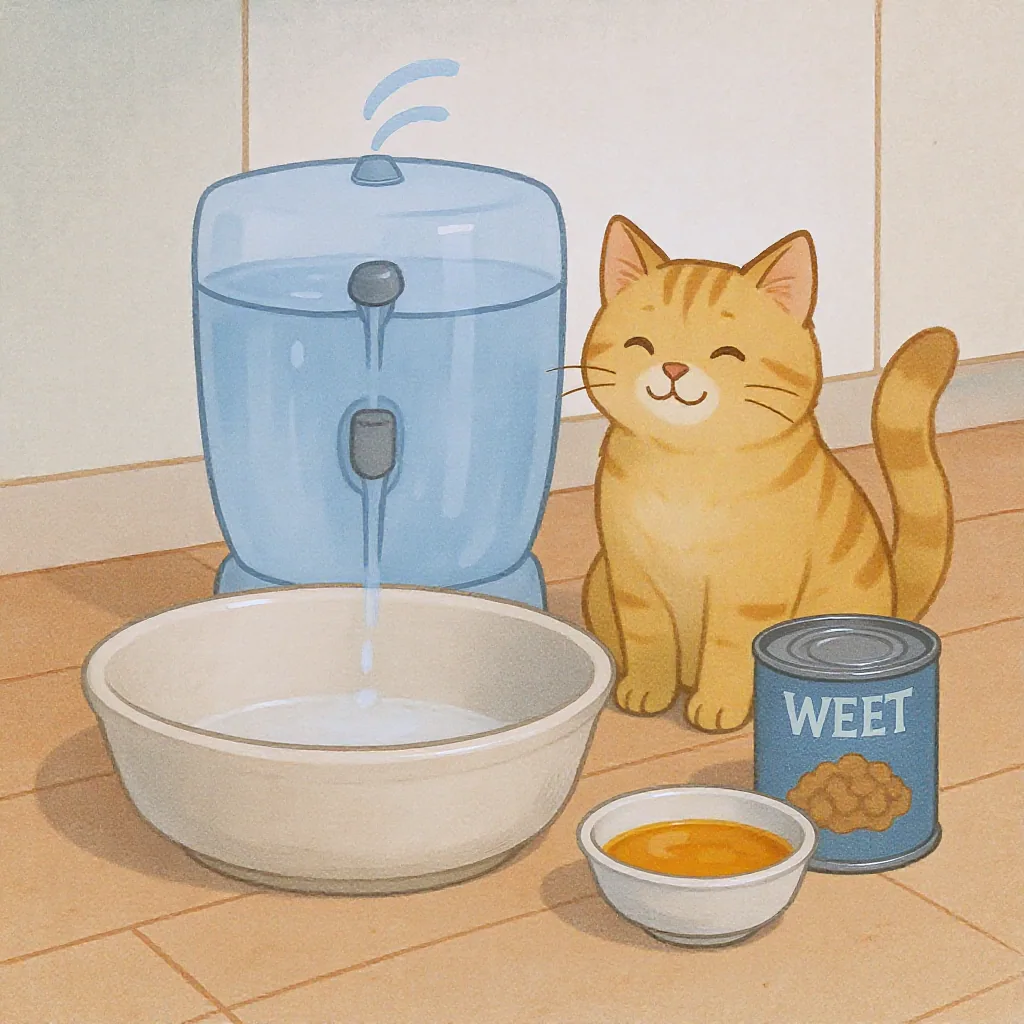
Many cats are instinctively drawn to moving water, which they perceive as fresher and safer. A quality cat water fountain provides a continuous flow, encouraging more frequent visits and increased water consumption. The sound of trickling water can also act as an auditory cue to drink.
Strategic Placement & The Multiple Station Rule
Place water sources in quiet, low-traffic areas where your cat feels secure—never right next to their food bowl or litter box. The “multiple station” rule is key: have at least two water stations on different floors or in different rooms. This gives your cat convenient options throughout their territory.
The Wet Food Hydration Boost
Incorporating wet food into your cat’s diet is arguably the single most effective hydration tool. Canned food or pouches are typically 70-80% moisture, providing a significant portion of their daily water needs directly through their meals. Even replacing one small dry meal with wet food makes a difference.
Simple Flavor Enhancers
For cats who are particularly reluctant, try adding a tablespoon of water, low-sodium chicken broth (onion and garlic-free), or the liquid from a can of tuna (in water, not oil) to their existing water. This can make it more enticing. Always offer plain water as well.
The Daily Health Check: What to Observe in 60 Seconds
One of the most powerful healthy habits for cats is a simple, daily observational scan. This isn’t a formal exam, but a quick check-in that helps you spot subtle changes early. Think of it as reading your cat’s daily status report.
While you’re refreshing their water fountain in the morning, take a moment to observe. Glance at the litter box: is the output normal in amount and consistency? Notice their energy: do they greet you normally, or seem unusually lethargic? Check their food bowl: is their typical appetite present? Finally, give them a gentle pet: is their coat smooth, or does it feel greasy or have flaky skin? These 60-second observations become your baseline, making it immediately obvious if something is off, which is a core part of any cat daily health checklist.
Building the Play & Bonding Habit
Daily play is a non-negotiable pillar of cat daily routine tips, serving critical physical and mental needs. It mimics the hunt, providing exercise to help prevent obesity, and it relieves boredom that can lead to destructive behaviors or stress. The good news is that effective play doesn’t require hours; consistency is what matters.
Tie a short, 5-10 minute interactive play session to another existing habit. For example, commit to a wand toy session right after your morning coffee or before you start preparing dinner. Let your cat “catch” the toy periodically to satisfy their predatory sequence. This daily engagement is more than fun—it’s a fundamental healthy cat habit that deepens your bond and supports their overall wellbeing.
Common Hydration & Routine Mistakes to Avoid
Knowing what not to do is just as important as knowing what to do. Here are common pitfalls that can undermine your efforts to establish a solid cat hydration and healthy habits routine.
Mistake: The Solitary Water Bowl
Why it’s a problem: One bowl, especially if placed poorly, is easy for a cat to ignore. It can become contaminated with dust or food quickly, and offers no options. The fix: Implement the multiple water station rule immediately.
Mistake: Placing Water Next to Food or Litter
Why it’s a problem: In the wild, cats avoid contaminating their water source with food remains or waste. This instinct persists, and they may drink less if their water is too close to these areas. The fix: Separate food, water, and litter stations into different zones.
Mistake: Ignoring Dental Health
Why it’s a problem: Dental pain or disease can make chewing dry food uncomfortable and even reduce a cat’s willingness to drink if it causes mouth sensitivity. This directly impacts nutrition and cat water intake. The fix: Include dental check-ups in your vet visits and discuss at-home dental care options feline dental health.
Mistake: Inconsistency with the Routine
Why it’s a problem: Cats are creatures of habit. Sporadic play or constantly changing feeding times can create anxiety. The fix: Aim for predictable daily rhythms. Even if the timing shifts slightly, the sequence of events (e.g., play, then dinner) provides security.
Your 10-Step Daily Healthy Habits Routine
Now, let’s weave all these elements into a seamless, practical daily flow. This cat daily care routine is designed to be sustainable, not perfect.
- Morning Refresh: Start your day by refreshing all water stations with clean, cool water. Rinse bowls or fountains to remove any film.
- Breakfast & Hydration Boost: Serve a morning meal. If using wet food, this is a prime opportunity for a major hydration intake.
- The 60-Second Scan: As your cat eats or afterwards, perform your quick daily health check (litter box, energy, appetite, coat).
- Interactive Play Session: Engage in a 5-10 minute play session with a wand toy or chase toy to simulate the hunt.
- Post-Play Water Offer: After play, lead your cat to a water station. Physical activity often naturally prompts thirst.
- Midday Check (When Possible): If you’re home, a quick water refresh or a short cuddle/play session breaks up the day.
- Evening Meal & Water: Serve the evening meal, again prioritizing wet food if possible. Refresh water bowls once more.
- Quiet Bonding Time: Spend some calm time together—grooming with a brush they enjoy, or simply sitting together while you read or watch TV.
- Pre-Bedtime Litter Check: Do a final quick scoop and check of the litter box to ensure normal output for the day.
- Nighttime Quiet: Ensure fresh water is available for the night. Consider leaving out a different type of water station, like a wide ceramic bowl, for variety.
Tailoring the Routine: Kittens, Seniors, and Special Needs
The core principles of hydration, observation, play, and routine apply to all cats, but smart adjustments make the feline routine care effective for every life stage.
For Kittens
Kittens have boundless energy and growing bodies. They need more frequent, smaller meals (3-4 times daily) and shorter, more frequent play sessions throughout the day. Ensure water bowls are very shallow and easy to access. Their daily cat care routine should be rich with socialization and gentle handling.
For Senior Cats
Older cats may have reduced mobility, senses, or underlying conditions like kidney disease. Make hydration effortless: place water bowls in easily accessible locations (consider a low-rise fountain). Monitor their cat water intake more closely. Play sessions should be gentler and shorter, focusing on mental stimulation. Always consult your vet for routine adjustments tailored to your senior cat’s specific health profile.
For Cats with Medical Conditions
Cats with kidney disease, diabetes, or urinary issues require vet-guided plans. Hydration is often critically important, and your vet may recommend specific strategies like subcutaneous fluids or prescription diets. Never adjust the core care for a medically fragile cat without professional advice.
Troubleshooting: When Your Cat Resists the New Routine
What if your cat snubs the new fountain or sleeps through playtime? Patience and flexibility are key. Habit formation takes time for both of you.
Scenario: The rejected water fountain. Don’t give up immediately. Keep the fountain running alongside their familiar bowl for several weeks. Try different fountain styles (some prefer a gentle bubble to a waterfall). If they truly prefer a bowl, switch to a wide, shallow ceramic or stainless steel bowl and commit to refreshing it multiple times a day.
Scenario: The disinterested player. Experiment with different toy types (feathers, crinkly toys, laser pointers used responsibly). Try playing at different times of day, especially at dawn or dusk when cats are naturally more active. Keep sessions very short (2-3 minutes) and always end on a positive note with a treat or cuddle. The goal is to build a positive association, not force exhaustion. Remember, the foundation of all healthy habits for cats is built on positive reinforcement and consistency, not perfection.
Building a Foundation for a Long, Healthy Life
Creating a supportive daily routine for your cat isn’t about achieving a flawless schedule or forcing them to conform to rigid rules. It’s about layering simple, consistent habits that work with their natural instincts—especially their need for proactive hydration. By moving beyond the solitary water bowl, integrating mindful observation, and committing to daily connection through play, you build a powerful foundation for their wellbeing.
Start small. Pick just one element from this guide to implement this week, whether it’s adding a second water bowl in a new location or committing to a five-minute play session each evening. These small, sustainable efforts compound over time, reducing stress and creating a predictable, loving environment where your cat can truly thrive. Your attentive care is the most important healthy habit of all.
A sustainable, healthy routine for your cat rests on four core pillars: Proactive Hydration (using multiple stations, fountains, and wet food), Daily Observation (quick checks of litter, appetite, energy, and coat), Consistent Play (short, interactive sessions to mimic the hunt), and Tailored Nutrition & Care (adapting the routine for life stage and individual needs). Remember, consistency with these small, daily actions is far more impactful than occasional grand gestures, forming the bedrock of a long and vibrant life for your feline companion.
Q: How much water should my cat drink each day?
A: A general guideline is that cats should consume about 3.5-4.5 ounces of water per 5 pounds of body weight daily. This includes all moisture from food. A cat eating wet food will get much of this from their meals, while a cat on dry food needs to drink most of it. The best measure is to monitor your individual cat’s normal habits and watch for changes.
Q: My cat only eats dry food. How can I increase her water intake?
A: First, try adding a water fountain and placing multiple bowls away from her food. You can also add a tablespoon or two of water to her dry kibble and let it soak for a few minutes before serving. Offering a separate small dish of low-sodium broth or tuna water as a “treat” can also help. Discuss incorporating even a small amount of wet food with your vet.
Q: Is a water fountain really worth it?
A: For many cats, yes. The moving water is often more appealing and encourages them to drink more frequently. It also keeps water oxygenated and filters out debris. However, some cats are fountain-averse. If your cat ignores it after a proper trial period, a commitment to frequently refreshed wide ceramic bowls is a perfectly good alternative.
Q: How can I tell if my cat is dehydrated?
A: Subtle signs include lethargy, loss of appetite, and dry gums. A quick at-home test is the “skin tent” test: gently pinch the skin at the scruff of their neck. In a well-hydrated cat, it should snap back immediately. If it retracts slowly, it can indicate dehydration and warrants a call to your vet.
Q: What’s the single most important habit I should start with?
A: Start with hydration. Add one extra water bowl in a quiet location away from their food and litter box. Commit to refreshing all water sources with clean water at least twice a day. This simple, foundational change supports virtually every system in your cat’s body and is the cornerstone of all other healthy habits for cats.
A good companion read is Treats & Food Safety.