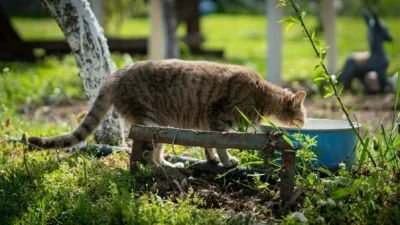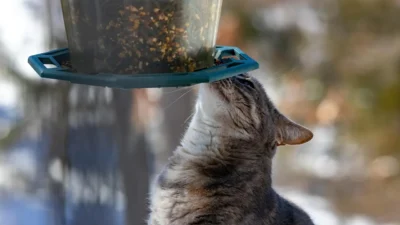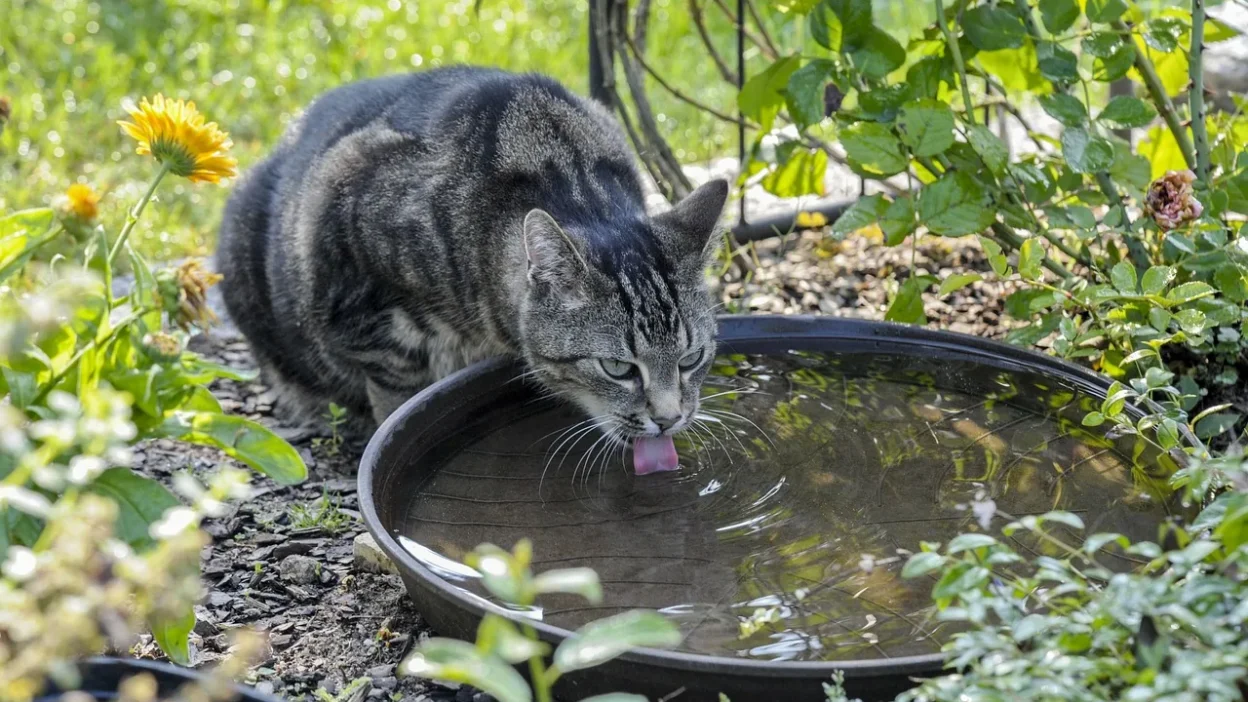
Many cat owners operate under a common myth: that their feline companions are only finicky about food, not water. The reality is that the choice between a traditional water bowl and an electric fountain is one of the most significant hydration decisions you can make for your pet. It’s not about finding a universal “best” option, but about matching the right solution to your cat’s unique personality and your own daily routine. This guide will help you navigate the water bowl vs fountain for cats debate by looking at instinctive feline preferences, practical lifestyle factors, and the simple observations that will lead you to the perfect choice for your home.
The best way to decide between a water bowl and fountain for your cat is to consider their instinctive preferences and your daily routine. Many cats are drawn to moving water from fountains, which can encourage drinking, but low-maintenance cats or busy owners might find a simple bowl is the perfect, fuss-free solution.
The Feline Instinct: Why Water Movement Matters
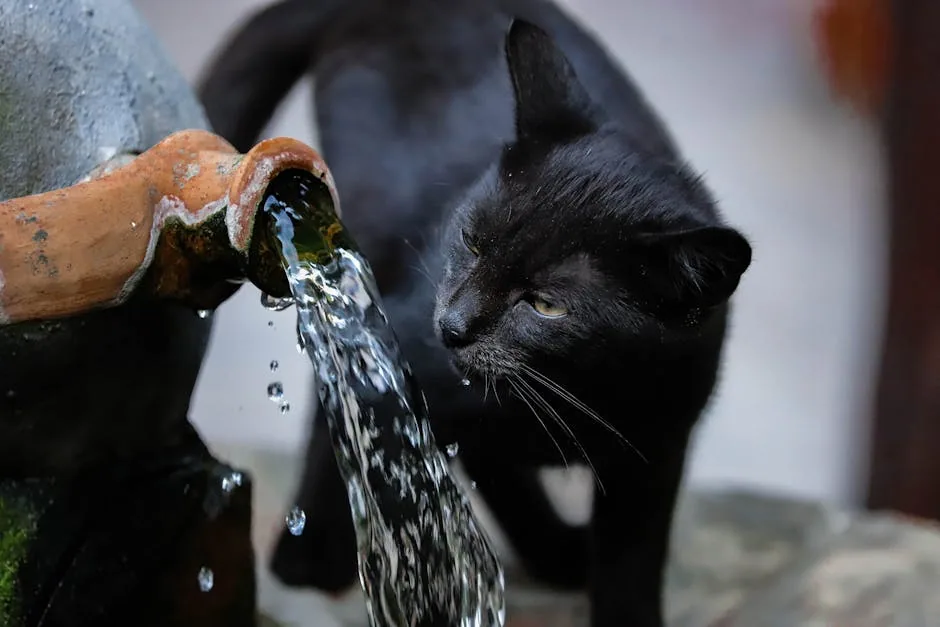
Photo by Valeria Makai on Pexels
To understand the appeal of a fountain, we need to look at a cat’s natural instincts. In the wild, a still puddle is more likely to harbor bacteria or contaminants than a flowing stream. This evolutionary bias means many cats are hardwired to seek out moving water, perceiving it as fresher and safer. A fountain replicates this by circulating and aerating the water, which can make it more appealing and oxygen-rich.
There’s also a practical comfort factor for some cats: whisker fatigue. A deep or narrow bowl that constantly brushes sensitive whiskers can be unpleasant. Many fountains offer wide, shallow basins or free-falling streams that allow a cat to drink without their whiskers touching the sides, addressing a common issue with some traditional bowls. This combination of instinct and comfort is why the cat water fountain benefits often center on encouraging natural drinking behavior feline hydration instincts.
The Simple Bowl: Low-Profile Hydration
For all the talk of feline finickiness, many cats are perfectly content with a plain, fresh bowl of water. This is the classic, zero-fuss solution. The best water bowl for cats in this category is often a wide, shallow ceramic or stainless-steel dish. These materials are non-porous, easy to clean, and don’t retain odors like plastic can.
A bowl is the ideal choice in several key scenarios. If your cat has never shown interest in the tap or a dripping faucet, they might be a “low-maintenance drinker” who doesn’t need the extra encouragement. For multi-cat households, placing several bowls in quiet locations is often more effective than one central fountain. It’s also the clear winner for owners who prioritize simplicity, a tight budget, or want to avoid the minor hum of a pump and the recurring cost of filters.
The Circulating Fountain: Encouraging the Reluctant Drinker
If your cat is fascinated by dripping taps or paws at their water dish, a fountain might be a game-changer. The continuous movement and sound can trigger their instinct to drink, potentially increasing their overall water intake. This is one of the most significant cat water fountain benefits, especially for cats on dry food, those with a history of urinary issues, or senior pets who need gentle hydration prompts.
A single fountain can also serve as a central, appealing hydration station for multiple cats. However, it’s not a “set it and forget it” solution. Fountains require regular disassembly for cleaning and periodic filter changes to prevent slime buildup. You’ll need an outlet nearby and should be comfortable with the soft, motorized hum. Think of it as an encouragement tool, not a magic bullet—some cats may still ignore it, but for the right feline, it can make a substantial difference.
Your Decision Guide: Cat Personality & Owner Lifestyle
So, how do you choose? The right answer lies at the intersection of your cat’s personality and your own daily routine. Start by observing your cat’s current behavior. Then, ask yourself these key questions.
Key Decision Points
Your Cat’s Behavior: Is your cat curious about running water, or utterly indifferent? A tap-watcher is a prime fountain candidate. A cat who drinks placidly from a bowl may not need an upgrade.
Your Time & Routine: Are you home often and don’t mind a weekly deep-clean of pump parts? Or do you need the simplest, fastest solution? Bowls win for low maintenance.
Your Budget: This includes both the upfront cost and ongoing expenses. Fountains cost more initially and require filter replacements every few weeks.
Your Household: How many cats do you have? A single fountain can work for a small group, but multiple bowls in separate locations are often recommended to reduce competition.
| Factor | Water Bowl | Water Fountain |
|---|---|---|
| Cost | Low upfront; no ongoing costs. | Higher upfront; ongoing filter costs. |
| Maintenance | Quick daily rinse; easy deep clean. | Weekly disassembly/clean; filter changes. |
| Best For Cat Type | Low-maintenance, non-picky drinkers. | Curious cats, reluctant drinkers, tap-lovers. |
| Key Pro | Ultra-simple, quiet, and portable. | Encourages drinking; keeps water aerated. |
| Key Con | Water can get stale quickly; may not entice some cats. | Requires power, cleaning, and filter purchases. |
Finding Your Cat’s Perfect Hydration Match
There’s no universal winner in the debate between bowls and fountains. The best choice is the one your cat will reliably use and you will consistently maintain. The most expensive fountain is useless if it sits unplugged because cleaning it feels like a chore, and the perfect ceramic bowl fails if your cat walks past it to drink from the tap.
Your first and most important step isn’t to buy anything—it’s to watch. Observe your cat’s current habits around water. That simple observation is the most valuable data point you have. Whether you choose the timeless simplicity of a bowl or the engaging flow of a fountain, you’re making an informed decision that puts your cat’s natural preferences and your practical reality first.