If you’re searching for how to encourage your cat to drink water, you’ve likely been told the frustrating myth that cats are just “naturally” bad at it. This framing turns a complex behavioral puzzle into a character flaw, leaving you feeling powerless. The truth is more hopeful: your cat’s reluctance isn’t about stubbornness, but about instincts shaped by millennia of evolution and the environment you’ve both created. Their desert-dwelling ancestors got most of their moisture from prey, leaving modern felines with a famously low thirst drive. This means the solution isn’t about forcing more water, but about thoughtfully reshaping their world to make drinking an appealing, instinctive choice. This guide will first help you identify the subtle constraints—from bowl placement to water movement—that are holding your cat back, then build a practical, personalized strategy to seamlessly increase their water intake.
The most effective way to encourage your cat to drink more is to provide multiple sources of fresh, moving water in calm locations separate from their food, while avoiding the common mistake of trying to flavor their water. Success hinges on respecting feline instincts: offer water that is aerated and cool, placed in quiet, safe spots away from their food bowl and litter box. Forcing water via syringe or using deep, narrow bowls often backfires by creating negative associations. Instead, focus on making hydration effortless and appealing through strategic placement and the right equipment.
Why Your Cat’s Hydration Isn’t Just About Willpower
If you’ve ever felt like you’re pleading with a stubborn toddler when trying to increase cat water intake, it’s time for a perspective shift. Your cat isn’t being difficult on purpose. Their cat drinking habits are hardwired by evolution and fine-tuned by sensitive instincts. Understanding these constraints is the first, crucial step in how to encourage cat to drink water effectively.
First, consider their ancestry. Domestic cats descended from desert-dwelling wildcats. Their bodies evolved to extract most of the moisture they need from prey, developing a naturally low thirst drive. This means your modern housecat’s internal “reminder” to drink is simply not as strong as a dog’s or a human’s. They are biologically predisposed to get hydration from their food, which is why a cat on a dry-food-only diet is at a particular disadvantage.
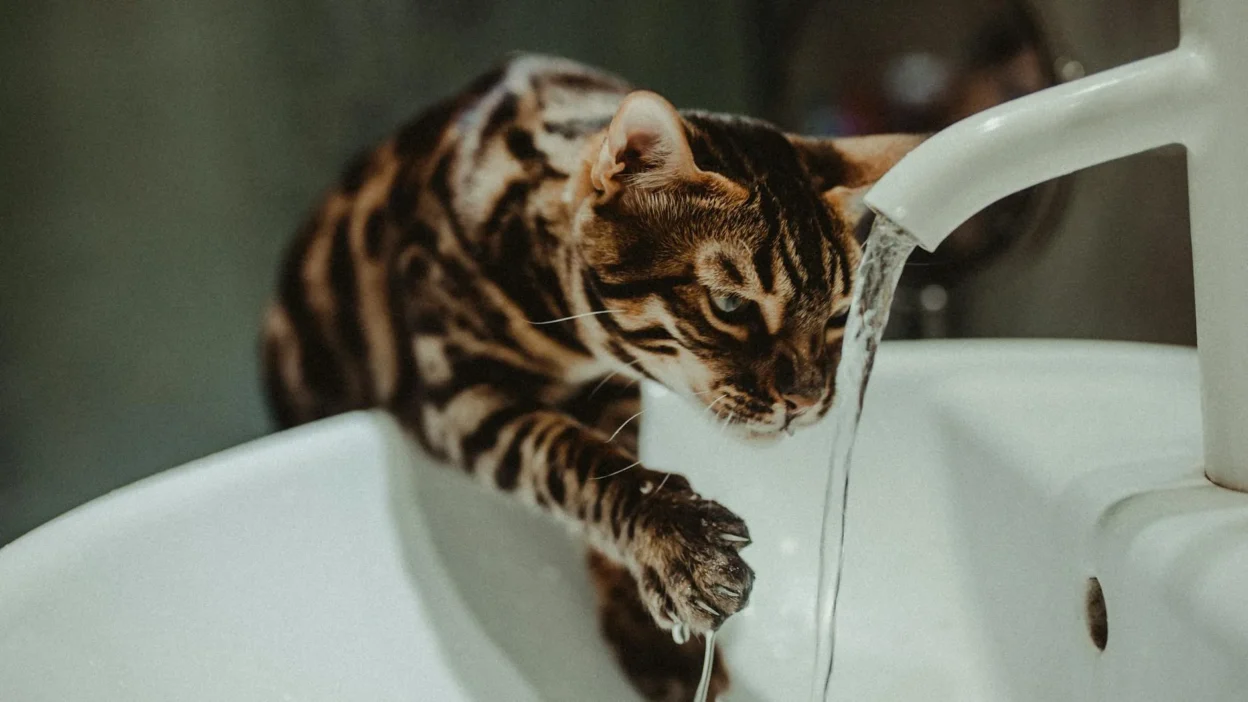
Second, their senses dictate preferences. Stagnant water in nature can be a breeding ground for bacteria. Thus, many cats instinctively seek moving water, which they associate with freshness and safety. Their vision is also tuned for motion detection, not sharp close-up focus. A still water surface in a deep bowl can be visually confusing. Furthermore, a bowl that’s too narrow or deep can cause “whisker fatigue”—an uncomfortable sensation from their sensitive whiskers constantly brushing the sides.
Finally, location is everything. In the wild, a water source contaminated by a decaying carcass (their food) means illness. This deep-seated instinct explains why many cats avoid water placed right next to their food bowl. They also prefer quiet, secure spots where they can drink without being startled, not high-traffic areas near loud appliances.
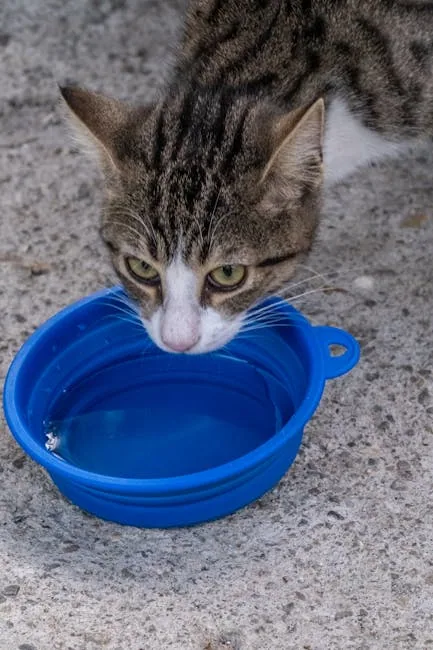
Photo by Doğan Alpaslan Demir on Pexels
Common Mistakes That Backfire (And What to Do Instead)
With the best intentions, we often set up hydration scenarios that clash with feline logic. Here are the most common missteps that can actually discourage drinking, and the simple fixes for each.
Mistake: Placing the water bowl right next to the food.
Why it fails: It triggers that ancient instinct that water near a “kill” is contaminated. Your cat may drink less, or even paw water out of the bowl to “move” it away from the food.
Better approach: Separate the water station from the food bowl by at least a few feet. Ideally, place it in a different quiet corner of the room or an adjoining space.
Mistake: Using a deep, narrow, or plastic bowl.
Why it fails: Deep bowls cause whisker stress. Narrow bowls limit access. Plastic can scratch easily, harboring bacteria and imparting a taste many cats dislike.
Better approach: Switch to a wide, shallow ceramic or stainless steel dish. These are easier on whiskers, easier to clean thoroughly, and don’t retain odors.
Mistake: Trying to force water via syringe or adding flavors.
Why it fails: Forcing water can create a negative, stressful association with drinking altogether. Adding broth, tuna juice, or other flavors can backfire by teaching your cat to only accept flavored water, and some additives (like onion or garlic powder in broths) are toxic.
Better approach: Focus on making plain water more appealing through freshness and movement. If you want to supplement hydration, add a small amount of water to their wet food instead, where it belongs.
Mistake: Having only one water source in a multi-cat or multi-story home.
Why it fails: A single bowl can become a resource-guarding point, preventing shy cats from drinking. It also doesn’t account for a cat’s natural laziness—they might not trek to the far kitchen if they’re napping upstairs.
Better approach: Set up multiple hydration stations in different, calm locations. This gives every cat access and provides convenient “pit stops” throughout their territory.
The Location Strategy: Creating Hydration Stations
Think like a cat for a moment. Your day consists of napping in a sunny spot, watching birds from a perch, patrolling hallways, and maybe visiting the food area. How often does your path deliberately cross the single water bowl next to the loud refrigerator? Not often. The goal is to integrate water into their existing routes and safe zones.
Conduct a “hydration station audit.” Walk through your home and identify 3-4 potential locations that are: quiet (away from TVs, washing machines, and busy doorways), secure (with a wall at their back, not in the middle of a room), and separate from food and litter boxes. Ideal spots include a quiet corner of the living room, a hallway nook, a home office desk corner, or a bedroom dresser top (if your cat is a jumper).
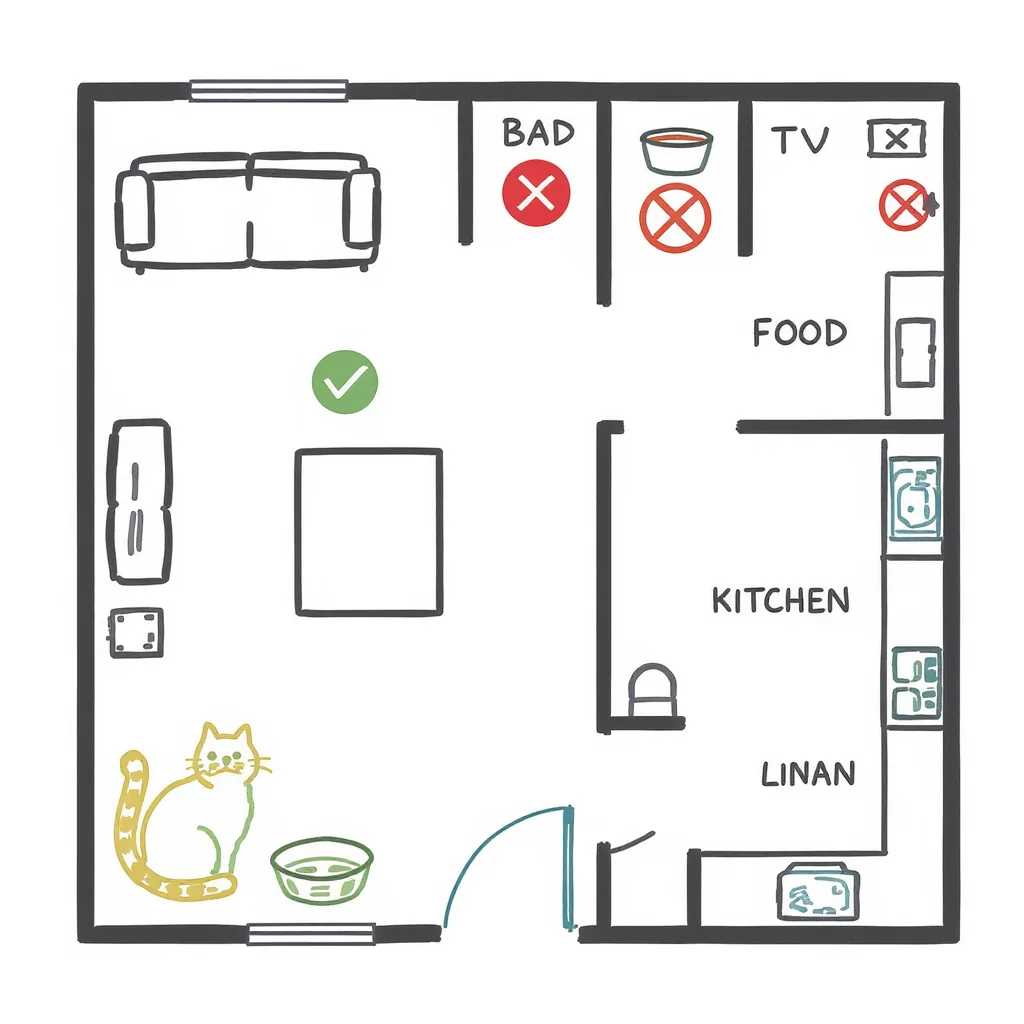
Place a bowl in these spots. Observe over a few days. You might find your cat favors the station in the calm bedroom over the one in the kitchen. This isn’t rejection; it’s valuable data. Use it. Double down on what works by ensuring that favored station always has the freshest water. This strategy of multiple, well-placed stations is one of the most effective feline hydration strategies you can implement with zero cost.
Water Source Upgrades: From Bowls to Fountains
Once location is optimized, consider the vessel itself. The right water source can make a significant difference in voluntary consumption.
Static Bowls: The classic choice. As established, opt for wide, shallow ceramic or stainless steel. The key is diligence: water must be changed and the bowl washed daily. Stagnant water grows a biofilm quickly, and cats taste it. For some cats, a simple upgrade to a better bowl placed well is enough.
Cat Water Fountains: These are designed to appeal to a cat’s preference for moving water. The sound and sight of flowing water can be irresistible. Fountains also aerate the water, keeping it tasting fresher for longer, and most include filters to remove impurities. When introducing a fountain, place it in a prime location (not where the old, ignored bowl was) and let your cat discover it. Be prepared for regular maintenance—cleaning the pump and replacing filters as recommended is non-negotiable for health and appeal.
Whether you choose a bowl or fountain, the material still matters. Avoid plastic components that contact the water. Ceramic, stainless steel, and BPA-free plastics designed for fountains are better choices. The goal is to provide a clean, fresh-tasting source that aligns with their instincts, making it easier for them to choose to drink more.
Beyond the Bowl: Integrating Moisture into Food
While encouraging water drinking is vital, we can work with their desert biology by increasing the moisture content of their food. This is a powerful complementary strategy, not a replacement for fresh water.
Wet Food vs. Dry Food: This is the most significant dietary lever for cat water consumption. Canned or pouched wet food is typically 70-80% water, while dry kibble is only about 10%. Incorporating even one wet meal a day can dramatically boost their total fluid intake. Research on feline lower urinary tract health vet nutrition studies often highlights the benefits of a moisture-rich diet.
Safely Adding Water or Broth: You can gently increase the moisture in any meal. Start by adding just a teaspoon of warm water or a cat-safe, low-sodium broth (always check for toxic ingredients like onion or garlic) to their wet food, mixing it in to create a gravy. For kibble, add a very small amount of water and let it sit for a few minutes to soften slightly. The key is to start with tiny amounts to avoid changing the texture or taste so much that they refuse the meal. Gradually increase only if they accept it readily.
Hydration Treats: Some commercial treats are designed with high moisture content. These can be a fun supplement, but they shouldn’t constitute a major part of their diet or hydration plan. The core of your strategy should remain fresh water availability and moisture-rich main meals.
Your First Step Starts Tonight
The journey from frustration to success in your cat’s hydration begins with observation, not overhaul. You now understand the constraints—the quiet instincts and sensory preferences that guide your cat’s behavior. You have a toolkit of strategies, from location audits to water source upgrades.
Your decisive next step is simple: before you go to bed, take five minutes to walk through your home. Identify one new, quiet spot away from food and noise, and place a clean, wide bowl of fresh water there. That’s it. Tomorrow, watch. See if your cat investigates. This single act shifts you from a mindset of forcing a behavior to one of facilitating a natural choice. Progress in getting a cat to drink more is incremental. Focus on one change, observe the response, and build from there. You’ve got this.
Encouraging your cat to drink more is about working with their nature, not against it. The core principles are simple: respect their instinct for fresh, moving water in safe locations separate from food. Avoid common pitfalls like forcing water or using unappealing bowls. Success comes from combining smart environmental strategies—like multiple hydration stations and possibly a fountain—with dietary moisture from wet food or added water. Start small, observe your cat’s preferences, and remember that every extra sip is a win for their long-term health.
A useful follow-up is Hydration & Daily Healthy Habits for Cats.