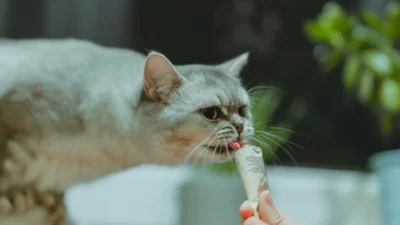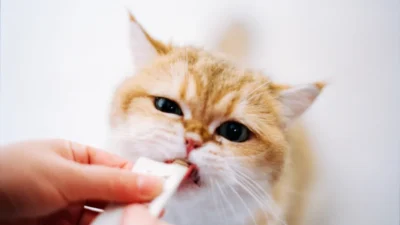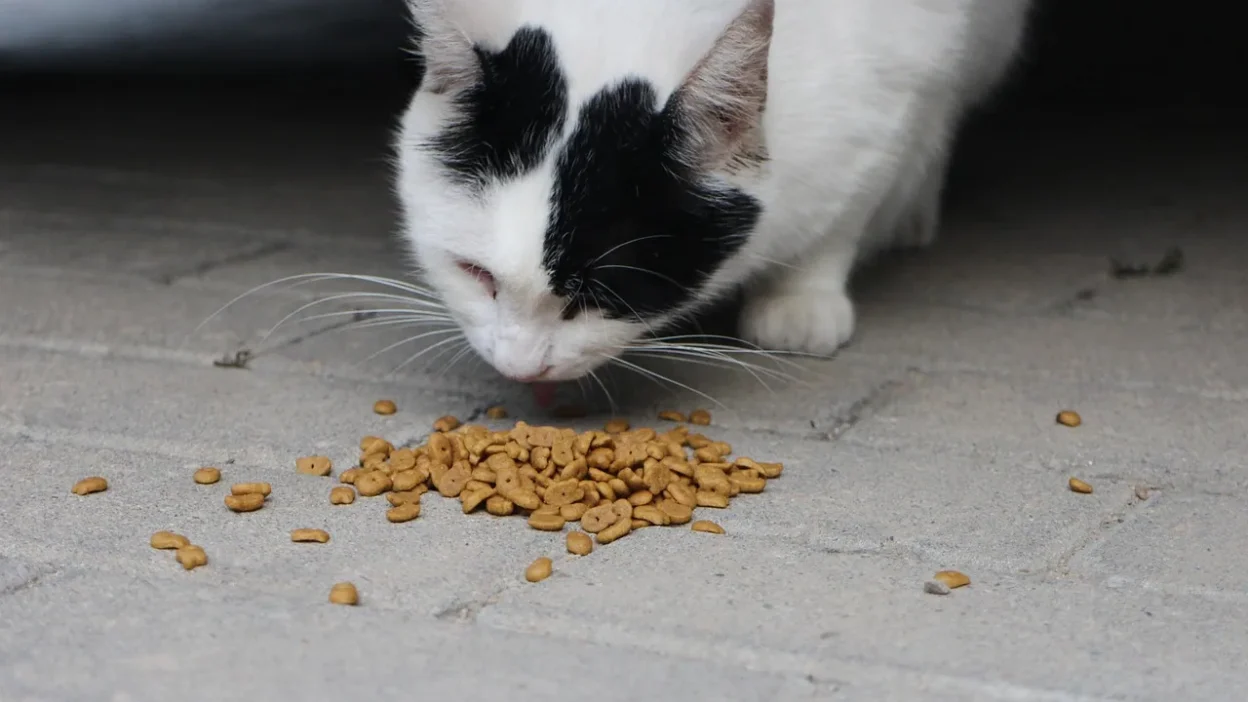
You’re staring down at your cat’s full bowl of perfectly good, nutritionally complete food. Beside you, a pair of wide, pleading eyes is locked onto the jar of tasty topper on the counter. You give in, sprinkling just a little on top, thinking it’s a harmless bit of love. But a week later, you’re in a standoff with a feline who now sniffs her plain kibble and walks away, waiting for the “good stuff.” This tiny scenario is the heart of the daily dilemma for so many cat owners: we want to spoil our companions and make mealtime exciting, but we also fear creating a picky eater who holds their regular diet hostage. Navigating treats vs toppers for cats isn’t about deprivation; it’s about establishing smart, sustainable boundaries so that meals stay appealing and your cat’s nutrition stays on track. This guide provides a clear, practical protocol to help you use these enhancers without crossing the line into culinary chaos.
The main difference is intent: treats are for rewards outside of meals, while toppers are meant to be mixed into a cat’s regular food. To keep meals appealing, establish clear rules—use toppers consistently as part of the meal, not as a negotiation tool, and limit treats to a small percentage of daily calories.
The Core Difference: Intent Defines the Boundary
Let’s clear up the confusion. The line between a treat and a topper isn’t just about what’s in the jar; it’s about why and when you use it. This intent is your guiding rule.
Treats are for rewards, training, or special bonding moments that happen outside of mealtime. Think of them as a “bonus” for a behavior or a little surprise during play. Their purpose is separate from nutrition.
Toppers (or cat food enhancers) are designed to be mixed into your cat’s regular meal. Their job is to make that main food more appealing, add moisture, or provide a nutritional boost. A proper cat food toppers guide will emphasize that they are part of the meal, not a separate event.
Some products blur the line, but you define the boundary by how you use them. A freeze-dried chicken piece can be a high-value treat during nail-trimming or a topper crumbled over dinner. Your consistent routine tells your cat which is which.

Photo by Alyona Pastukhova on Pexels
Your 4-Point Protocol for Topper Success
To use toppers effectively without creating a picky eater, follow this simple playbook. The goal is enhancement, not negotiation.
Do: Mix It In Thoroughly
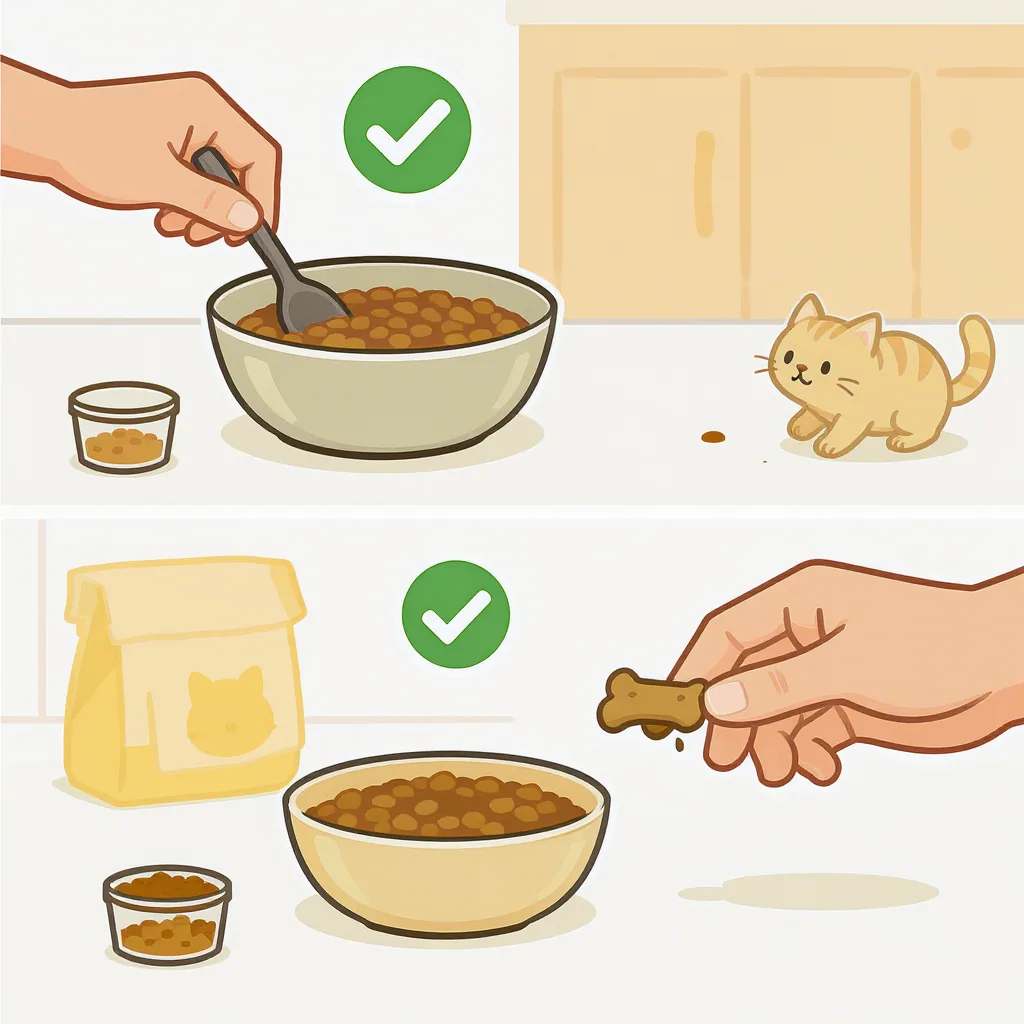
Always stir the topper into the main food. This prevents your cat from just eating the “good stuff” on top and leaving the rest. It turns the entire bowl into the appealing meal.
Do: Be Consistent, Not Reactive
Decide on a schedule (e.g., every dinner, or every other day) and stick to it. Don’t only add a topper when your cat snubs their food; that teaches them that holding out gets them an upgrade.
Do: Mind the Portion
Toppers should complement the meal, not become it. A general guideline is that toppers should make up no more than 10-15% of the meal’s volume. This keeps your cat’s primary nutrition coming from their balanced complete cat food.
Don’t: Use the Wrong Stuff
Choose toppers that are simple and species-appropriate, like pure freeze-dried meat, a sprinkle of bonito flakes, or a bit of plain, sodium-free bone broth. Avoid using human food scraps, which are often too fatty or salty, or treats not meant for mixing.
Treat Management: Keeping Rewards Rewarding
Treats are wonderful tools, but they need their own rules to stay special and avoid undermining your cat feeding routine.
The golden rule is the 10% calorie guideline: treats should make up less than 10% of your cat’s total daily calorie intake. This prevents weight gain and ensures they’re hungry for their nutritionally complete meals. A few extra treats can quickly tip the scales.
Use treats with purpose: for rewarding a specific behavior, administering medication, or as part of a training session. If your cat starts meowing at the treat jar at 5 PM every day, you’ve accidentally created a new, demanding schedule. To avoid this, keep the treat jar in a separate cupboard from their food, and don’t give in to begging. The unpredictability is what keeps the reward meaningful.
Common Boundary Blunders (And How to Fix Them)
Even with the best intentions, it’s easy to slip up. Here are the most common mistakes that lead to picky eating or disrupted routines, and how to correct them.
Blunder: Using Toppers as a Bribe
The Mistake: Your cat turns up their nose at their bowl, so you sprinkle a topper on top to get them to eat.
The Fix: This teaches your cat that refusing food leads to a better offer. Instead, offer the plain food. If they don’t eat it within 20-30 minutes, remove the bowl until the next scheduled meal. Start the next meal with the topper mixed in from the beginning, on your terms.
Blunder: Letting Treat Calories Creep Up
The Mistake: Handing out “just one more” treat throughout the day without tracking.
The Fix: Measure out your cat’s daily treat allowance in the morning into a small container. When it’s empty, treat time is over for the day. This creates a visual, tangible limit.
Blunder: Not Mixing Toppers In
The Mistake: Placing the topper in a neat pile on top of the kibble or wet food.
The Fix: Always, always stir it in thoroughly. The goal is a unified flavor experience, not a separate course.
Blunder: Switching Toppers Too Often
The Mistake: Trying a new “meal topper for cats” every week in an effort to keep things exciting.
The Fix: This can create a “flavor chaser” who gets bored easily. Find one or two toppers your cat likes and rotate them predictably. Consistency is more reassuring than constant novelty when using toppers without ruining meals.
Finding the Balance for a Happy Cat
The goal here isn’t deprivation. It’s about creating sustainable habits that keep mealtimes stress-free and your cat healthy. The short-term tradeoff—sticking to a protocol instead of giving in to pleading eyes—pays off in long-term peace of mind. You get to enjoy spoiling your cat with treats and toppers, and your cat gets to enjoy their regular meals without turning into a picky negotiator. It’s a win for clear boundaries and a win for a contented feline.
Further reading: Single-ingredient treats.