Does it matter *when* you give your cat a treat? If you’ve ever found yourself holding a tasty morsel, wondering if you should offer it before you grab the wand toy, pause the chase for a snack, or save it for the very end, you’re facing a common feline dilemma. That simple choice—before, during, or after play—isn’t just about spoiling your pet. It has real consequences for their behavior, your training goals, and even their health. Getting the timing right can strengthen your bond and make playtime more effective, while getting it wrong can lead to frustration or teach unwanted habits. Let’s break down the three core options to help you find the best time to give cat treats for your unique situation.
The ideal time to give your cat treats depends on your goal: after play reinforces calm endings, during play can interrupt the fun, and before play is best for motivation but may lead to expectation. For most owners looking to build a healthy routine, rewarding your cat after an interactive session is the safest and most effective strategy. It mimics their natural hunt-eat-rest cycle and helps them wind down positively.
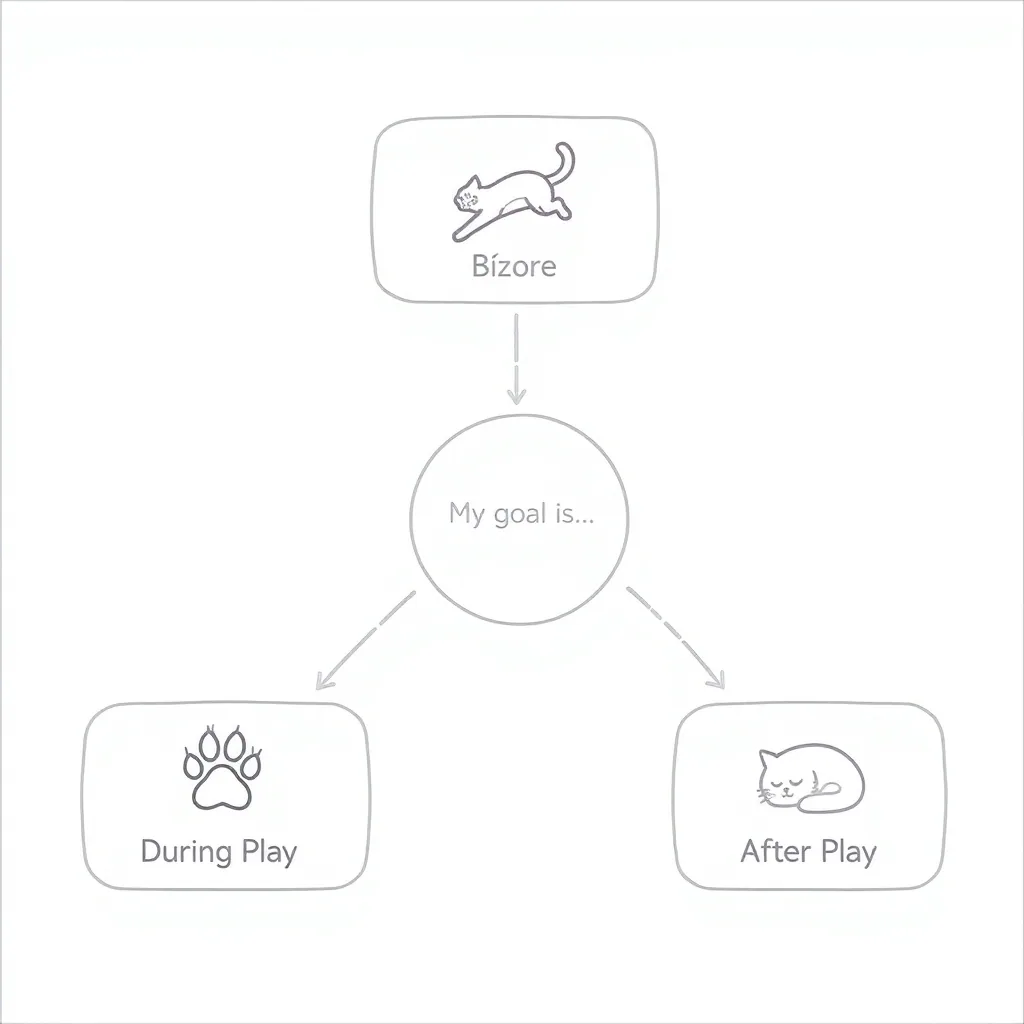
The Goal Dictates the Timing: A Simple Decision Tree
So, what’s the best time to give cat treats? The honest answer is that it depends entirely on what you’re trying to achieve. Instead of looking for one universal rule, start by asking yourself a simple question: “What’s my main goal right now?” Your answer will point you toward the most effective treat timing for cats in that moment.
Think of it as a light mental flowchart. If your goal is to motivate a reluctant cat to engage, you might consider a treat before play. If you’re in the middle of an intense training session using a clicker, a treat during the action is the point. But for most everyday interactions—especially bonding and ending play sessions on a positive note—the reward after play is typically your strongest move. This goal-oriented approach takes the guesswork out of your cat treat schedule and makes every treat more meaningful.
Before Play: The Motivator (But Use With Caution)
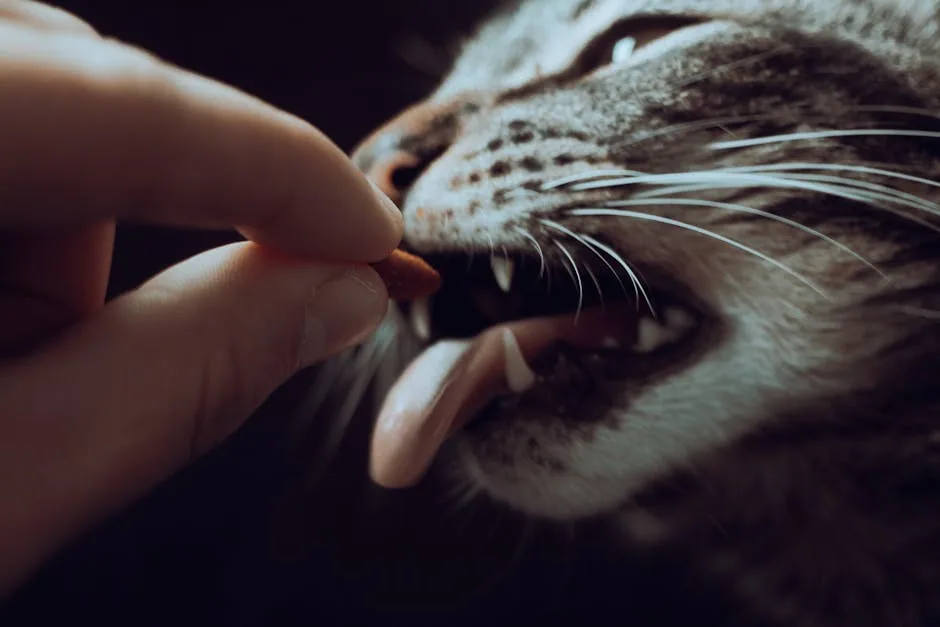
Photo by Lucas Pezeta on Pexels
Using a treat before play can be a useful tool, particularly for cats who need a little encouragement. The benefit is clear: it builds anticipation and can jumpstart a cat who’s more interested in napping than chasing. It essentially says, “Hey, something fun is about to happen!”
However, this approach comes with significant caveats. If done too often, your cat may learn to expect a food reward simply for showing up, which can blur the line between play and feeding. It can also contribute to weight gain if you’re not carefully accounting for those extra calories in their daily diet. Think of pre-play treats as a strategic nudge, not a standard part of your treats and play routine. It’s best reserved for specific situations, like introducing a new toy, rather than every single session.
During Play: The Interruption (Why It Usually Doesn’t Work)
It might seem logical to reward your cat in the middle of a great pounce or chase, but this timing often backfires. A cat’s natural predatory sequence is hunt, catch, kill, eat. When you pause an engaging play session to offer a treat, you break that satisfying flow right in the middle. For many cats, this is more frustrating than rewarding—it’s like interrupting the climax of a movie for a commercial.
Do: Let the play session flow naturally to its conclusion. Keep the energy high and the focus on the “prey” (the toy).
Don’t: Stop the action mid-pounce to present a treat. This usually disrupts their focus and can make them lose interest in playing altogether. The exception is very specific clicker training where the treat is the marker for a precise behavior, but for general fun and bonding, it’s a common pitfall.
After Play: The Reward That Reinforces Calm
This is the timing most behaviorists recommend. Offering a treat after play perfectly mimics the natural cycle: the hunt (play) is complete, and now comes the satisfying “eat” phase. This does two powerful things. First, it helps your cat wind down, providing a clear signal that the exciting activity is over. Second, it positively reinforces the entire play session, making them more likely to engage eagerly next time.
This method is excellent for managing energy and preventing the “zoomies” that can sometimes follow intense play. By ending with a small, calm snack, you help your cat transition to grooming or resting. It turns the treat into a perfect period at the end of a fun sentence, solidifying a positive treats and play routine that benefits both behavior and bonding.
Putting It All Together: Your Flexible Treat-Play Routine
Your ideal routine isn’t rigid; it’s guided by principle and observation. You might use a tiny treat before play once a week to introduce a new feather wand, have a vigorous chase session, and then give a portion of their daily kibble as the “after play” reward. The key is consistency in your intent and vigilance with portion control portion control.
Watch your cat’s individual response. Does a pre-play treat make them more excited for the toy, or do they just look for more food? Does a post-play treat help them settle? Your cat will tell you what works best for them. By understanding the pros and cons of each option, you can confidently adjust your treat timing for cats to suit any day’s goal, creating a more harmonious and healthy relationship.
Finding Your Cat’s Perfect Timing
There’s no single, rigid rule that applies to every cat or every playful moment. The power lies in understanding the “why” behind each option—before for motivation, during for precise training (usually), and after for reinforcement and calm. This knowledge frees you from guesswork and lets you use treats as the effective tool they’re meant to be.
Start by observing your cat’s natural rhythms and reactions. Experiment gently, keep treats small, and prioritize the bond you’re building through play. With a little attention, you’ll quickly discover the rhythm that makes your shared playtimes most rewarding for both of you.
Q: Can I give my cat treats every day?
A: Yes, but it requires careful management. Treats should typically make up no more than 10% of your cat’s total daily calories to prevent weight gain. It’s often best to use a portion of their regular kibble as the “treat” during play routines.
Q: What if my cat only plays for treats?
A: This is a common sign of overusing pre-play treats. To fix it, gradually phase out the treat before play and focus on making the play itself more engaging with exciting toys. Reserve the treat exclusively for after the session to re-associate the reward with the completed activity.
Q: How many treats are too many?
A: There’s no universal number, as it depends on the treat’s calorie content and your cat’s size and diet. Always check the feeding guidelines on the treat package and consult with your vet. As a rule of thumb, 2-3 small training treats per session is a safe starting point.
Q: Are some treats better for timing than others?
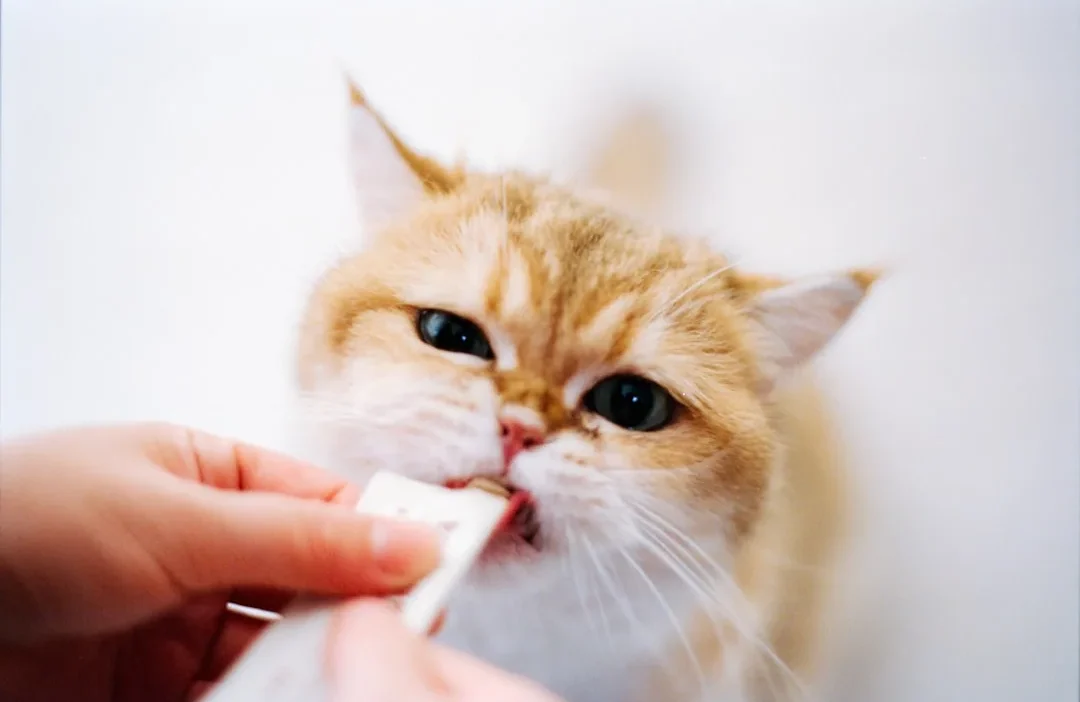
A: For timing around play, smaller, softer treats that can be eaten quickly are ideal. You want a reward that doesn’t require prolonged chewing, which could break the flow of an “after play” calm-down or slow a training repetition. Save longer-lasting dental chews or lickable treats for separate, quiet times.