When you see the word “supplemental” on a bag of cat food, you probably think it means something extra healthy—a nutritional boost for your kitty. Here’s the counterintuitive truth: in the strict language of pet food labeling, “supplemental” is actually a warning. It means the product is not nutritionally complete and should never be your cat’s sole diet. Confusing these terms isn’t just a matter of semantics; it’s the difference between feeding a meal and feeding a treat, and getting it wrong can lead to serious nutritional deficiencies over time. This article will cut through the jargon on the back of the bag, explaining exactly what “complete and balanced” vs “supplemental” cat food means, so you can shop with confidence and keep your cat healthy.
The best way to understand complete and balanced vs supplemental cat food is to check the AAFCO nutritional adequacy statement on the label. ‘Complete and balanced’ means the food meets all your cat’s nutritional needs as a sole diet. ‘Supplemental’ means it does not and should only be fed alongside a complete diet, like a treat or topper. Always look for this statement to ensure you’re feeding a nutritionally adequate meal.
The Label’s Most Important Line (That Everyone Skips)
Forget the flashy marketing on the front of the bag for a moment. The single most important piece of information on any cat food package is the AAFCO Nutritional Adequacy Statement. This is the official, regulated declaration that tells you exactly what the food is designed to do.
You’ll find it in small print, usually on the back or side panel near the guaranteed analysis and ingredients. This statement does two critical things: it specifies the life stage the food is for (like “adult maintenance” or “growth”) and, most importantly, it declares whether the food is “complete and balanced” or “for intermittent or supplemental feeding only.” This is your definitive source of truth, not the ingredient list or brand promises.

Photo by Fabio Lange on Pexels
Understanding this line is the key to decoding the difference between a meal and a treat. If you learn to spot it, you’ll never be confused by cat food label terms again. For a deeper dive into how these standards are set, you can review the official AAFCO guidelines.
“Complete and Balanced”: The Gold Standard for Meals
When a cat food label states it is “complete and balanced,” it carries a specific legal meaning. It signifies the product has been formulated to meet the nutrient profiles established by AAFCO for a specific life stage, either through laboratory analysis or, ideally, through controlled feeding trials.
In plain English, this means the food contains all the vitamins, minerals, amino acids (like taurine), and fats your cat needs in the right proportions to thrive as its sole diet. Whether it’s a dry kibble, a wet food, or a raw formulation, the complete diet cat food label is your assurance of nutritional adequacy. It’s the green light that says, “Yes, you can feed this to your cat every day, and they will get everything they need from it.”
“Supplemental”: What It Really Means (Hint: It’s Not a Superfood)
Here’s where the crucial myth-busting happens. The term “supplemental” on a pet food label does not mean “enriched with extra nutrients.” Legally, it means the exact opposite.
A product labeled “for intermittent or supplemental feeding only” is declaring that it is not nutritionally complete or balanced. It lacks certain essential nutrients in the required amounts to support a cat long-term. Feeding it as a primary diet could lead to serious deficiencies. The supplemental cat food meaning is a warning: this is a side dish, not the main course.
Common products with this label include:
- Most cat treats (freeze-dried, crunchy, soft)
- Food toppers and broths
- Gravy pouches or “lickable” treats
- Some single-protein freeze-dried or raw foods that aren’t formulated to be stand-alone meals
Your Simple Decision Framework at the Store
Turning this knowledge into action is simple. Use this three-step checklist every time you evaluate a new food or treat:
- Find the AAFCO Statement: Turn the package over and locate the Nutritional Adequacy statement.
- Check the Life Stage: Does it match your cat’s needs (kitten, adult, all life stages)?
- Read the Diet Type Declaration: This is the final decision point. Does it say “complete and balanced”? If yes, it’s a meal. Does it say “supplemental” or “for intermittent feeding”? If yes, it’s a treat or topper.
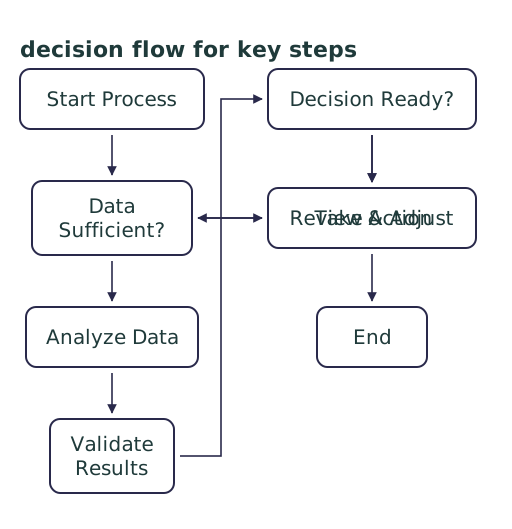
This framework takes the guesswork out of cat food feeding directions. Remember, this is educational guidance for general nutrition. For cats with specific health conditions, always consult your veterinarian for a tailored dietary plan.
Common Mistakes to Avoid (And How to Fix Them)
Even informed owners can stumble. Here are the most common pitfalls and how to steer clear of them.
Mistake: Using a Supplemental Topper as a Main Meal
Myth: “My cat loves this gravy topper, and it says it’s made with real chicken, so I’ll just feed her this.”
Fact/Correction: A topper is designed to enhance a complete balanced cat food, not replace it. Relying on it alone misses critical nutrients. Always ensure the base diet is “complete and balanced.”
Mistake: Mixing Multiple Supplemental Foods
Myth: “If I mix this supplemental raw food with that supplemental broth, it will balance out.”
Fact/Correction: Nutritional gaps don’t work like puzzle pieces. Combining incomplete foods typically doesn’t create a complete diet; it often creates a different imbalance. The only safe foundation is a verified complete and balanced food.
Mistake: Ignoring the Life Stage Statement
Myth: “Food is food. My adult cat can eat this kitten formula.”
Fact/Correction: Life stage matters. Kitten food is high in calories and calcium for growth, which can lead to unhealthy weight gain in a sedentary adult. Always match the AAFCO life stage to your cat.
Your New First Step at the Pet Store
The front of the bag sells the dream, but the back tells the nutritional truth. By understanding the definitive meaning of “complete and balanced” versus “supplemental,” you move from marketing hype to informed choice. This isn’t just label trivia—it’s the foundational skill for protecting your cat from nutritional deficiencies and ensuring they get what they truly need from their bowl.
So, make this your new ritual. Next time you shop, let your first stop be the back of the bag, not the front. Find that AAFCO statement, read the declaration, and feed with confidence.
Q: Can I feed my cat only supplemental food if I mix a few different kinds?
A: This is not recommended and is a common error. “Supplemental” means the food is incomplete. Mixing several incomplete foods is unlikely to accidentally create the precise, balanced nutrient profile a cat requires and could lead to deficiencies or excesses. Always use a verified “complete and balanced” food as the dietary foundation.
Q: Where exactly on the package is the AAFCO statement?
A: Look on the back or side panel, usually in a block of text near the Guaranteed Analysis and ingredient list. It’s often in smaller print and will start with phrases like “[Product Name] is formulated to meet the nutritional levels established by the AAFCO Cat Food Nutrient Profiles…”
Q: My cat’s food says ‘complete and balanced for all life stages.’ Is that okay for my senior cat?
A: Yes, “all life stages” means it meets the more stringent nutritional requirements for growth and reproduction, so it is safe for adults and seniors. However, some senior cats may benefit from a food specifically formulated for “adult maintenance” with adjusted calorie or mineral levels. Consulting your vet is wise for age-specific needs.
Q: Are all cat treats considered ‘supplemental’?
A: Virtually all traditional cat treats (biscuits, freeze-dried meats, soft chews) are labeled as supplemental because they are not nutritionally complete. There are a few exceptions where a treat might be formulated as a complete diet, but this is rare and would be clearly stated on the AAFCO statement. Always check the label to be sure.