You’ve filled the bowl with fresh water, but your cat just gives it a sniff and walks away. Or maybe you notice they’re barely touching it all day, leaving you worried about their hydration. It’s a common puzzle for cat owners, and often, the solution isn’t about the water itself, but where you’ve put the bowl. The placement of your cat’s water bowl can be the difference between a healthy, hydrated pet and one that’s subtly at risk. This isn’t about being fussy; it’s about working with your cat’s natural instincts. The good news? Optimizing your cat water bowl placement is a simple, almost instant home layout fix. Think of it less as a chore and more as setting up a convenient hydration station your cat will actually want to use. Below is a straightforward, room-by-room checklist to solve this common problem, turning your home into a place where your cat feels perfectly comfortable taking a drink.
The best spots for your cat’s water bowl are quiet, separate from their food, and in areas they frequent. Aim for multiple locations on different floors to encourage natural drinking throughout the day. Place bowls in low-traffic corners, near favorite resting spots, and always away from the litter box. This simple setup respects your cat’s instincts and makes hydration effortless.
Your Home Layout Checklist: Where to Put the Water Bowl
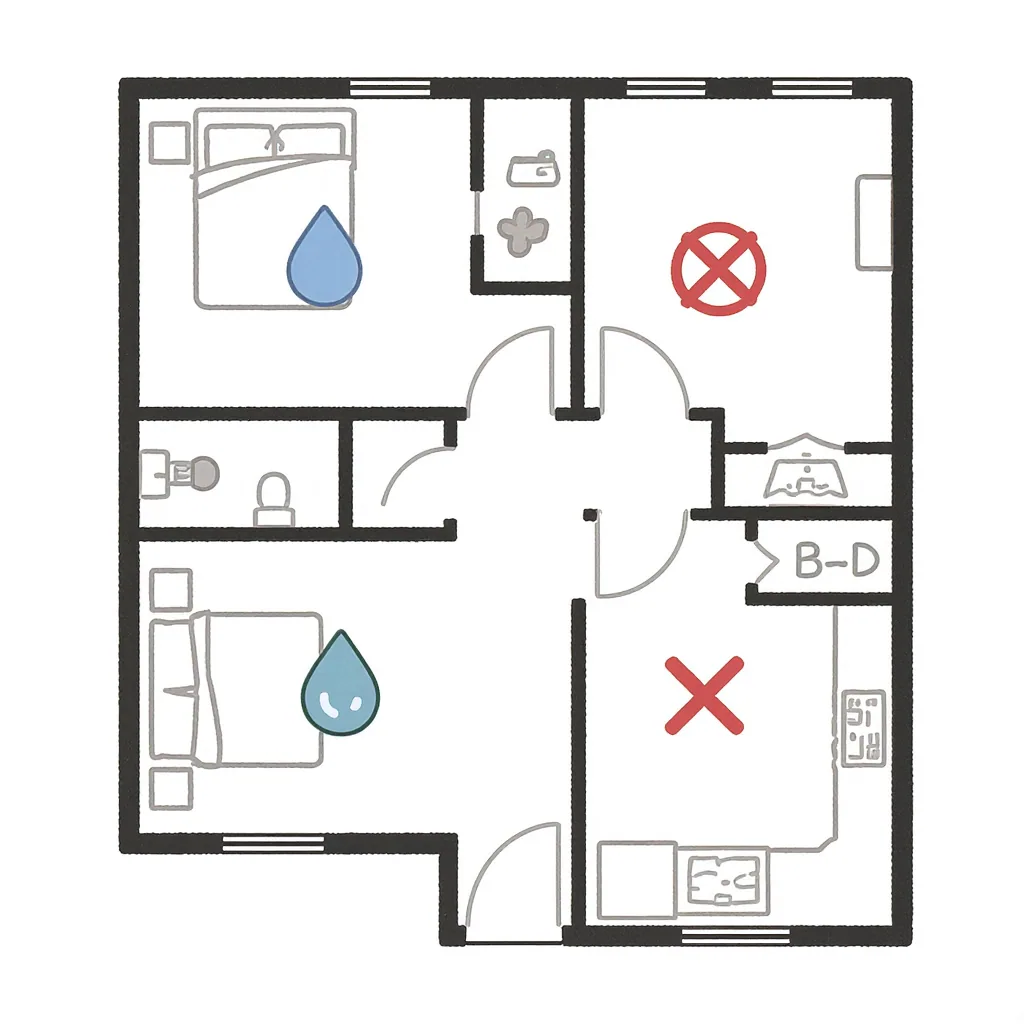
Follow this simple checklist to find the best spot for cat water in your home. Think of it as setting up a comfortable, appealing hydration station your cat will want to visit.
- Keep it separate from food. Place the water bowl at least 3-5 feet away from your cat’s food dish. This is one of the most important rules for cat water bowl placement.
- Choose quiet, low-traffic corners. Look for calm spots away from doors, appliances, and main walkways. A quiet corner of the living room, a hallway nook, or a peaceful section of a home office often works well.
- Set up multiple stations. If you have a multi-story home, place at least one water bowl on each floor. Even in a single-level home, having two bowls in different quiet areas gives your cat options.
- Avoid the laundry room and kitchen sink. The noise and vibration from appliances can be startling. The hustle of a kitchen during meal prep can also make it a stressful cat water station location.
- Never place it next to the litter box. Keep water bowls well away from the bathroom area for obvious hygiene and comfort reasons.
- Ensure easy, permanent access. Don’t tuck the bowl behind furniture or in a closet you sometimes close. Your cat should be able to approach and leave the area without feeling trapped.
Why These Spots Work: Understanding Your Cat’s Preferences
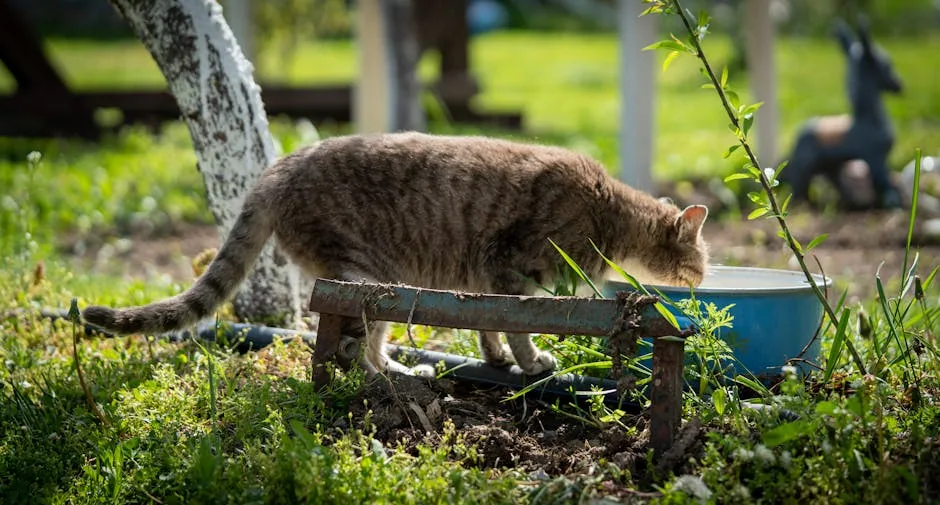
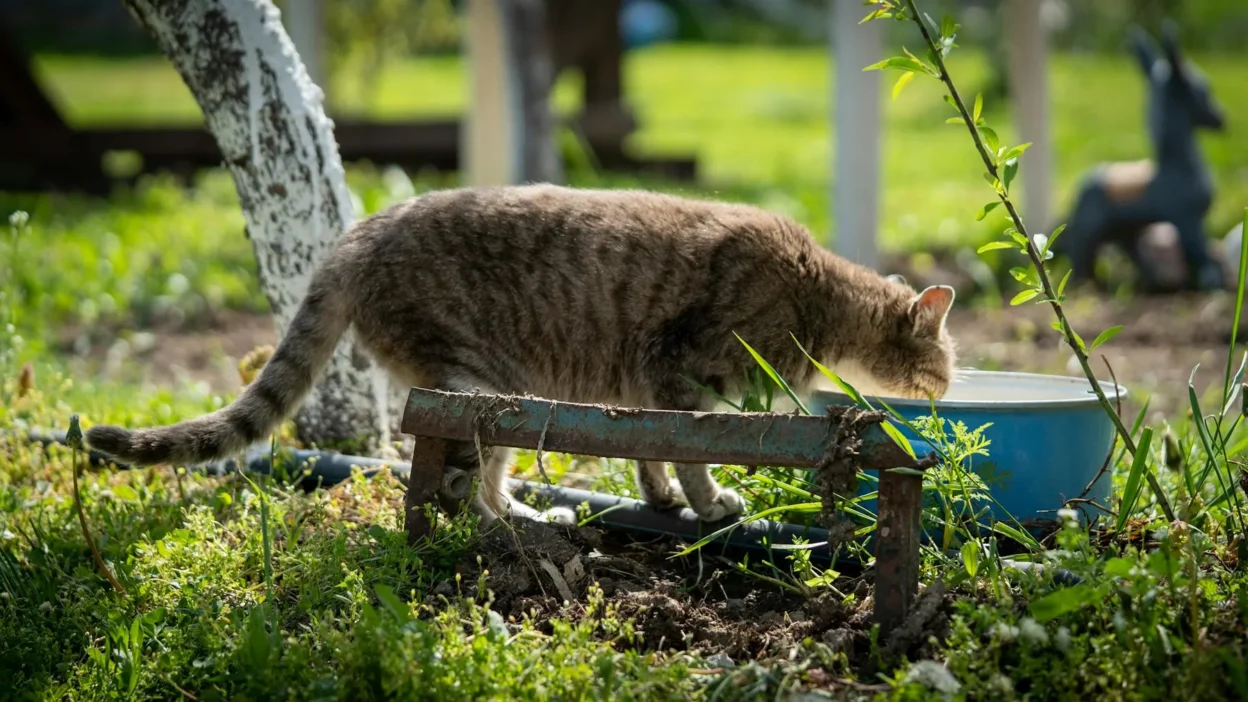
Photo by Lubomir Vladikov on Pexels
This checklist isn’t arbitrary; it’s based on understanding feline instincts and sensitivities. When you know the ‘why,’ finding the ideal place for cat water becomes intuitive.
The instinct to keep water separate from food is rooted in survival. In the wild, a carcass near a water source could contaminate it. While your kibble bowl isn’t a carcass, that deep-seated preference often remains. A quiet location respects your cat’s sensitivity to noise and their desire for safety while drinking—a vulnerable moment. The recommendation for multiple bowls, especially on different floors, simply makes hydration convenient. A cat napping upstairs is more likely to take a drink if a bowl is nearby than to trek all the way downstairs. This strategy of positioning cat water bowls for convenience mirrors how they would naturally find water sources throughout their territory.
Ultimately, good cat drinking bowl setup is about reducing barriers and creating positive, stress-free drinking experiences feline hydration instincts.
Common Water Bowl Placement Mistakes to Avoid
Sometimes knowing what not to do is just as helpful. Here are common pitfalls in cat water bowl placement and how to fix them.
Don’t: Place the water bowl right next to the food bowl.
Do: Separate them by several feet, even if it’s just to opposite ends of a quiet room.
Don’t: Put the only water bowl in a noisy utility room or next to a loud refrigerator.
Do: Choose a consistently peaceful location. If the kitchen is the only option, place the bowl in a far corner, away from major appliances.
Don’t: Use only one water station in a large or multi-story home.
Do: Implement multiple water bowl locations. This is one of the simplest ways to encourage more frequent drinking.
Don’t: Move the bowl frequently because it’s “in the way.”
Do: Commit to a permanent spot. Cats are creatures of habit and may stop visiting a resource that keeps disappearing.
Tailoring Placement to Your Cat’s Unique Habits
The core checklist applies to most cats, but you can fine-tune it by observing your own cat’s personality and your home’s layout.
In a studio or small apartment: Separation from food is still key. Use the length of the room—place food near the kitchen area and water by a calm window or your bedside.
For a shy or anxious cat: Prioritize seclusion and escape routes. A spot behind a armchair or in a quiet hallway alcove where they can see the room without being snuck up on is ideal.
In a home with dogs: Protect your cat’s access. Place water bowls on elevated surfaces (like a windowsill or sturdy shelf) or in a room behind a baby gate that only the cat can access.
For senior cats or kittens: Minimize effort. Ensure bowls are easily accessible without jumps or stairs. For seniors, a shallow, wide bowl placed in their favorite resting zone can be very effective.
For the curious explorer: Use their habits to your advantage. If your cat loves watching you work, a bowl in your office corner might become a favorite. If they lounge in a sunny spot every afternoon, that’s a prime location for a cat hydration station placement.
Creating a Hydration-Friendly Home
Finding the perfect where to place cat water bowl spot is less about one magical location and more about applying a few thoughtful principles to your unique space. By separating water from food, choosing peace over traffic, and offering convenient options, you’re working with your cat’s natural instincts, not against them.
The best test is your cat’s behavior. After adjusting your bowl placements using this checklist, watch for a week. You might notice more frequent visits, longer drinking sessions, or simply a more relaxed posture at the bowl. These small signs mean your simple home layout tweak is working, helping to support your cat’s well-being through better hydration.