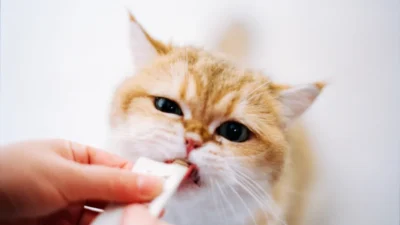
Think of your cat’s daily calorie needs like a small, non-negotiable snack budget. Every crunchy morsel, every lickable paste, and every piece of dehydrated chicken you hand over is a withdrawal from that account. It’s a simple equation, but one many loving cat owners struggle to balance: how do you shower your feline friend with tasty rewards to strengthen your bond, without inadvertently padding their waistline? The answer lies not in depriving them of treats altogether, but in becoming a savvy selector—understanding the science behind feline nutrition and the marketing behind the packaging. This guide will walk you through how to choose cat treats that are both a delight for your pet and a responsible part of their overall diet, turning a potential health pitfall into an opportunity for positive reinforcement and connection.
The best way to choose cat treats is to think of them as a small part of your cat’s overall diet, not a separate food group. Focus on treats with simple, recognizable ingredients—like meat or fish as the first item—and always account for their calories within your cat’s daily nutritional budget to prevent weight gain. Prioritize high-protein, low-carb options and use treats strategically for bonding and training, never as a meal replacement.
The Feline Snack Equation: Why Calories in Treats Matter
Think of your cat’s daily calorie needs as a small, fixed budget. An average 10-pound indoor cat typically needs only about 200-250 calories per day to maintain a healthy weight. Every treat you give is a withdrawal from that budget. This is why understanding cat treat calories is the first, non-negotiable step in learning how to choose cat treats responsibly.
The golden rule for most veterinarians is the “10% rule”: treats should make up no more than 10% of your cat’s total daily calories. For our 10-pound cat, that’s just 20-25 calories’ worth of treats. It’s shockingly easy to exceed this. A single commercial treat can range from 2 to 10 calories each. Giving just a few “little extras” throughout the day can push your cat into a calorie surplus, leading to gradual, often unnoticed weight gain over months.

Photo by Vladimir Srajber on Pexels
This math isn’t about deprivation; it’s about strategic allocation. By viewing treats through this caloric lens, you shift from random rewarding to intentional nourishment. It empowers you to select best treats for cats not just by flavor, but by their nutritional impact on your cat’s overall health feline nutrition.
Decoding the Label: What to Look For (And Avoid)
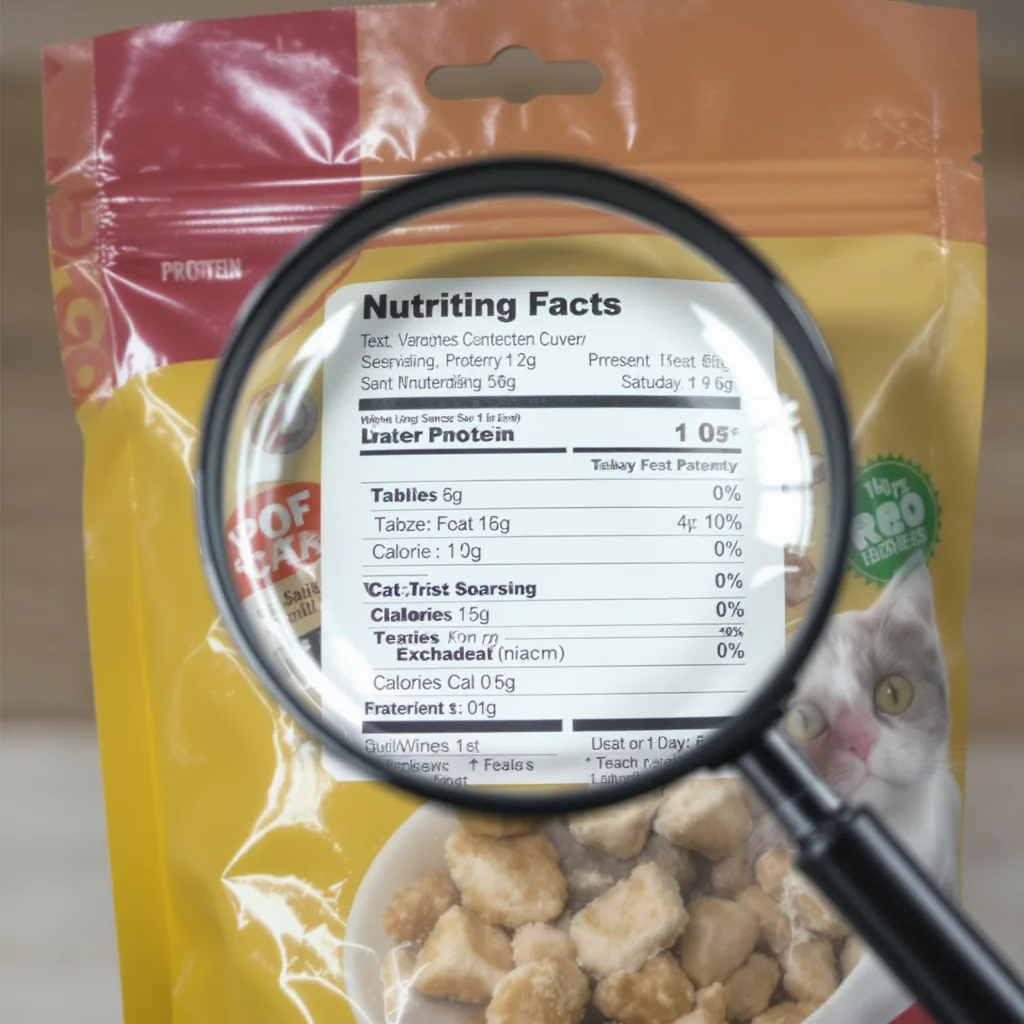
Armed with your calorie budget, the next step is becoming a label detective. The packaging is where marketing meets reality, and knowing what to scan for turns a confusing decision into a confident one.
What to Look For (The “Dos”)
- Protein as the First Ingredient: Cats are obligate carnivores. The first item should be a specific, named meat or fish (e.g., “chicken,” “salmon,” “duck”). This indicates the treat is primarily animal-based, aligning with their natural dietary needs.
- Short, Recognizable Ingredient Lists: Fewer ingredients generally mean fewer fillers and additives. You should be able to pronounce and identify most of what’s listed.
- High Moisture Content (for wet treats): Wet or pureed treats often have higher water content, which can be more filling for fewer calories and aids in hydration.
- A Clear Calorie Statement: Reputable brands state the kcal per treat or per serving on the packaging. This is essential data for your daily math.
What to Avoid (The “Don’ts”)
- Vague Meat Sources: Terms like “meat by-products” or “animal digest” are less specific and of variable quality. While not inherently bad, a named source is preferable for selecting healthy cat treats.
- Excessive Carbohydrates: Corn, wheat, soy, and starchy vegetables high on the list can add cheap calories with little nutritional benefit for cats and may contribute to weight gain.
- Artificial Additives: Colors (like Red 40, Blue 2), flavors, and chemical preservatives (BHA, BHT) offer no nutritional value and some cats may be sensitive to them.
- The “Grain-Free” Trap: Don’t assume grain-free means low-calorie or healthy. These treats often replace grains with other high-carb ingredients like potatoes or peas, which can still be calorie-dense.
Beyond the Bag: Creative & Healthy Reward Strategies
Choosing the right product is half the battle. The other half is using treats wisely. The goal is to maximize your cat’s enjoyment and your bonding, while minimizing empty calories.
Consider the “treat value” for different scenarios. For basic daily affection or distraction during nail trims, a piece of their regular kibble (which you’ve subtracted from their next meal) or a single, low-calorie commercial treat is perfect. For high-value situations—like recall training, introducing a new pet, or a stressful vet visit—a tiny piece of freeze-dried chicken or a lick of meat-only baby food can be incredibly motivating without being a calorie bomb.
Treats are also powerful tools for mental enrichment, which is a reward in itself. Instead of handing over a pile of treats, use a puzzle feeder or hide small pieces around a room for your cat to “hunt.” This engages their natural instincts, provides stimulation, and slows down consumption. Remember, the act of working for food is often as rewarding as the food itself.
Common Calorie Pitfalls: Mistakes Even Loving Owners Make
With the best intentions, it’s easy to slip up. Being aware of these common mistakes helps you avoid them.
1. The “Guilt Treat”
Leaving for work or saying no to meowing? It’s tempting to offer a treat to soothe your own feelings. This habit can quickly create a calorie surplus and teach your cat that persistent vocalization gets rewarded.
2. Forgetting the Household Total
If multiple people in your home give treats, those “just one from me” moments add up fast. Communicate the daily treat limit or use a shared container to keep track.
3. Not Adjusting Meal Portions
If you’ve given 30 calories in treats, you should ideally reduce your cat’s next meal by roughly 30 calories. Failing to do this means you’re feeding extra calories on top of their complete diet.
4. Misjudging Portion Sizes for Different Treats
A soft, chewy treat and a freeze-dried liver treat may look similar in size but have vastly different calorie densities. Always check the kcal per piece and adjust how many you give accordingly for proper portion control for cat treats.
Your Personalized Treat Selection Checklist
Before you buy or give another treat, run it through this quick checklist. It synthesizes everything you need to know into actionable steps.
- Check the Calories: Does the package state kcal per treat? Does giving 1-2 treats fit within my cat’s 10% daily calorie budget?
- Scan the First 3 Ingredients: Is a specific meat or fish #1? Are the next ingredients recognizable, not a list of starches and sugars?
- Assess the “Why”: Am I giving this for a specific purpose (training, bonding, enrichment) or just out of habit/guilt?
- Plan the Portion: Have I accounted for these treat calories by slightly reducing my cat’s next meal?
- Consider the Whole Diet: Are these treats complementing a balanced diet, or are they becoming a primary food source?
This checklist isn’t meant to make treat time a chore, but to make it a confident, healthy part of your routine. It turns the question of how to choose cat treats from overwhelming to straightforward.
Rewarding Your Cat, Protecting Their Health
Navigating the world of cat treat calories and ingredients is one of the most practical ways you can care for your cat’s long-term wellbeing. It moves treat-giving from a potentially risky habit to a thoughtful component of their overall care. By applying the simple math of calories, the label literacy you’ve gained, and the strategic mindset for rewarding, you’re not saying “no” to fun—you’re saying “yes” to more vibrant years together.
The ultimate goal isn’t a treat-free life, but a balanced one. The best treats for cats are those that bring joy without compromise, strengthening your bond while supporting their health. View your informed choices not as restriction, but as the deepest form of care.
Choosing healthy cat treats responsibly boils down to three core principles: First, adhere to the 10% calorie rule, ensuring treats don’t exceed a tenth of your cat’s daily energy needs to prevent weight gain. Second, become label-literate, prioritizing treats with named animal protein as the first ingredient and avoiding those with excessive carbs and artificial additives. Finally, use treats strategically for training, bonding, and enrichment, not as a habitual snack. This mindful approach allows you to reward your cat lovingly while actively supporting their overall health and nutrition.