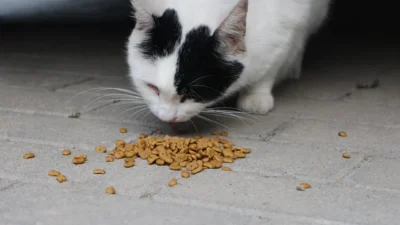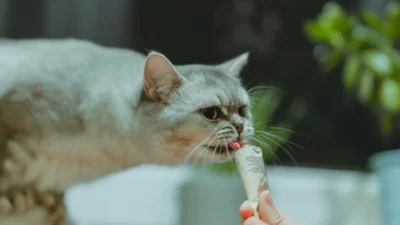
You’re finishing a simple dinner of roasted chicken, and your feline supervisor is right there, eyes locked on your fork with an intensity that could power a small city. The urge to share a tiny, unseasoned morsel is powerful—a small gesture of love, a shared moment. But then, the doubt creeps in. Is this truly one of the safe human foods for cats, or could it hide a risk? This universal dilemma pits our desire to bond over food against our duty to protect our obligate carnivore companions, whose biology is so different from our own. Navigating what can cats eat safely from our plates isn’t about deprivation; it’s about applying a clear, compassionate protocol. This guide cuts through the confusion, offering a practical playbook for those moments you want to offer a foods cats can taste without worry, emphasizing that safe sharing is a deliberate act of care, not a casual habit.
A few plain, cooked human foods like chicken, turkey, or carrot can be safe for cats as an occasional tiny treat, but they must be unseasoned and constitute less than 10% of daily calories. Many common foods like onions, chocolate, and grapes are highly toxic and must be avoided entirely. The cornerstone of safe sharing is knowing the definitive lists and always erring on the side of caution, consulting your veterinarian with any specific concerns about your cat’s diet.
The Golden Rules of Sharing: Your Safety Protocol
Before we get to the specific lists of what’s safe and what isn’t, you need a framework. Think of these as the non-negotiable rules that make the difference between a harmless bonding moment and a potential vet visit. Following this protocol is the key to answering “what can cats eat safely” without worry.
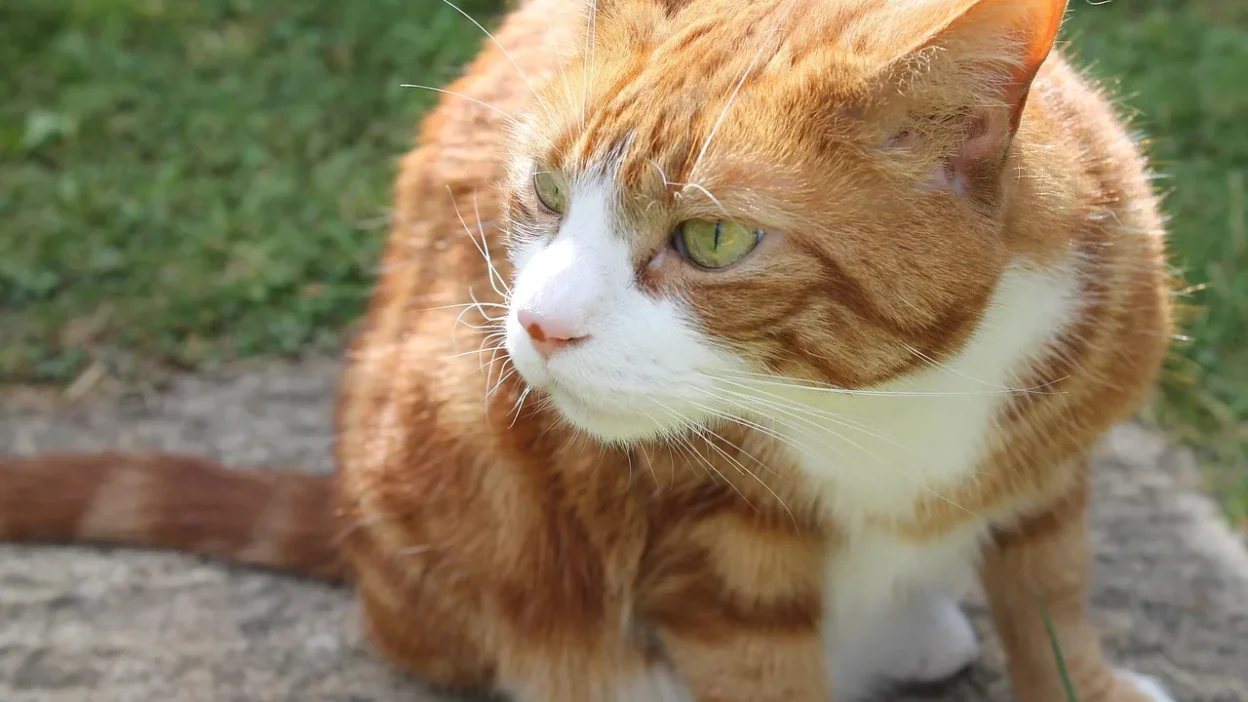
Photo by Nacho Posse on Pexels
The 10% (or Less) Rule
Any human food you offer should constitute less than 10% of your cat’s total daily caloric intake. For most cats, this translates to a few small bites—think a teaspoon-sized amount of cooked chicken or a single green bean. Their primary nutrition must always come from a complete and balanced commercial cat food.
Plain and Cooked is Paramount
Seasonings, sauces, oils, and butter are off-limits. Garlic, onion powder, and excess salt are common hidden dangers. Meats and fish must be thoroughly cooked to kill harmful bacteria and parasites. Raw diets are a complex topic that requires veterinary guidance and are not the same as casually sharing a piece of raw meat from your counter.
Know Your Cat’s Health
A food that might be fine for one cat could be problematic for another. Cats with kidney disease, diabetes, food allergies, or weight issues have specific dietary restrictions. Always consider your individual cat’s health before sharing any people food cats can eat.
The Safe List: What’s Okay for a Tiny Taste
This list focuses on foods that are generally considered safe for a healthy cat to sample in the tiny, plain, cooked portions we’ve defined. It’s a guide for the occasional treat, not a dietary overhaul. When in doubt, less is more.
| Food Item | Safe/Unsafe | Key Notes & Preparation | Risk Level |
|---|---|---|---|
| Cooked Chicken or Turkey | Safe | Boneless, skinless, and unseasoned. A small shred is perfect. | Very Low |
| Cooked Salmon or Tuna | Safe (in strict moderation) | Fully cooked, plain, and offered rarely. Avoid canned in oil or salt. | Low (High if frequent) |
| Cooked Egg | Safe | Fully cooked (scrambled or boiled) to avoid salmonella. No salt or butter. | Low |
| Steamed Carrots or Green Beans | Safe | Soft-cooked and plain. A small piece is a fun, crunchy texture. | Very Low |
| Seedless Watermelon or Cantaloupe | Safe (rarely) | A tiny cube. High sugar content means this should be a very occasional curiosity. | Low |
| Plain Cooked Pumpkin | Safe | Not pie filling! Plain, cooked pumpkin can aid digestion in small amounts. | Very Low |
| Onion, Garlic, Chives | Unsafe / Toxic | All forms (raw, cooked, powdered) damage red blood cells, causing anemia. | High |
| Chocolate | Unsafe / Toxic | Contains theobromine and caffeine, which are toxic to cats’ nervous systems. | High |
| Grapes & Raisins | Unsafe / Toxic | Cause acute kidney failure in cats. The toxic mechanism is not fully understood kidney failure mechanism. | High |
| Xylitol | Unsafe / Toxic | An artificial sweetener found in gum, peanut butter, and baked goods; causes insulin release and liver failure. | High |
Proteins: The Best Bet
As obligate carnivores, cats are best suited to digest animal protein. Small pieces of plain, cooked chicken, turkey, lean beef, or deli meats (low-sodium, no garlic/onion) are typically the safest choices. Remember to remove all skin, fat, and bones.
Vegetables & Fruits: Occasional Curiosity
While cats lack the enzymes to derive significant nutrition from plants, a few steamed veggies like broccoli, asparagus, or cucumber can be a safe, low-calorie crunch. For fruits, stick to tiny bits of banana, apple (seeds removed), or blueberries, offered very rarely due to sugar content.
The Absolute No-List: Common Human Foods That Are Toxic
This list is non-negotiable. These items are poisonous to cats, and “just a little” is not safe. Exposure can lead to severe illness or death, requiring immediate veterinary attention.
The Allium Family: Onions, Garlic, Leeks, Chives
These contain compounds that cause oxidative damage to red blood cells, leading to hemolytic anemia. This includes all forms: raw, cooked, powdered, or as an ingredient in sauces and broths.
Chocolate, Coffee, & Caffeine
These contain methylxanthines (theobromine and caffeine), which cats metabolize very slowly. Toxicity can cause vomiting, diarrhea, hyperactivity, abnormal heart rhythm, tremors, and seizures.
Alcohol & Raw Yeast Dough
Even small amounts of alcohol can cause intoxication, respiratory depression, and coma in cats. Raw dough can expand in the stomach, causing bloat, and the fermenting yeast produces alcohol.
Other Critical Toxins
- Grapes & Raisins: The exact toxin is unknown, but ingestion can cause sudden kidney failure.
- Xylitol: This sweetener triggers a massive insulin release, leading to hypoglycemia (low blood sugar), and can cause liver damage.
- Macadamia Nuts: Can cause weakness, depression, vomiting, and hyperthermia in cats.
The Science Corner: Why Cats Digest Food Differently
The rules above aren’t arbitrary; they’re rooted in feline biology. Understanding this makes you a more informed guardian. Cats are obligate carnivores, meaning their bodies are evolutionarily designed to get vital nutrients from animal tissue. They have a shorter digestive tract than omnivores and lack specific metabolic pathways.
For example, their livers don’t produce enough of certain enzymes, like glucuronyl transferase, which is needed to efficiently break down compounds like theobromine in chocolate and phenols in essential oils. This is also why they can’t process the disaccharides in cow’s milk well, leading to lactose intolerance. Their unique metabolism is why sharing food with your cat requires a specific, cautious approach.
Common Mistakes & How to Avoid Them
Even with good intentions, it’s easy to slip up. Here are frequent errors cat owners make when offering foods cats can taste, and how to steer clear.
1. Assuming “Natural” Means Safe
The Mistake: Thinking a tiny bit of garlic in a sauce is fine because it’s natural, or that grapes are a healthy snack.
The Fix: Remember that “natural” toxins are some of the most potent. Adhere strictly to the No-List, regardless of how harmless an item seems for humans.
2. Giving Dairy (Like a Saucer of Milk)
The Mistake: Offering cow’s milk, cream, or cheese, picturing a happy cat.
The Fix: Most adult cats are lactose intolerant. While a lick might not cause harm, more can lead to digestive upset. Opt for a commercially prepared “cat milk” treat if you want to offer this experience.
3. Sharing Seasoned or Fatty Foods
The Mistake: Giving a piece of your roasted chicken skin, fried fish, or buttery vegetables.
The Fix: High fat can trigger pancreatitis, a painful and serious inflammation of the pancreas. Always remove skin, trim fat, and ensure every morsel is plain.
4. Overdoing the “Tiny Taste”
The Mistake: Letting the occasional treat become a daily habit or a large portion.
The Fix: This can lead to nutritional imbalance and obesity. Use treats—human or commercial—sparingly. The bonding comes from the act of sharing, not the quantity.
Sharing Safely is an Act of Love
The desire to share your food with your feline friend comes from a place of love and connection. By following the clear protocol of sticking to plain, cooked proteins in tiny amounts, and rigorously avoiding known toxins, you can satisfy that urge without compromising their health. The goal isn’t to make your cat a miniature human at the dinner table, but to occasionally include them in a moment with a safe, species-appropriate tidbit.
Ultimately, the safest and most loving foundation for your cat’s health is a high-quality, nutritionally complete cat food. View any human food as a rare bonus, not a staple. When you prioritize their unique biological needs, you’re ensuring many more happy, healthy years together. If you’re ever uncertain about a specific food, the most powerful tool you have is a quick call to your veterinarian. That cautious approach is the truest form of care.
Key Takeaways:
- Follow the Protocol: Any human food must be less than 10% of daily calories, plain (no seasonings, sauces, or fats), fully cooked, and appropriate for your cat’s individual health.
- Stick to Safe Categories: The safest occasional treats are plain, cooked meats (chicken, turkey) and a few specific vegetables (carrots, green beans).
- Zero-Tolerance for Toxins: Never offer onions, garlic, chocolate, grapes, xylitol, or alcohol. These are poisonous, not just “unhealthy.”
- Biology Dictates the Rules: Cats are obligate carnivores with different metabolisms, which is why many common human foods are dangerous for them.
- When in Doubt, Skip It: The safest choice is to err on the side of caution and offer a dedicated cat treat instead.